
The tiny home lifestyle is rapidly gaining popularity as a creative alternative to conventional living. With soaring housing costs and growing environmental awareness, more people are embracing smaller spaces for practical and meaningful reasons. This trend signals a shift in priorities, emphasizing not the size of a home, but the quality of life it can offer.
Environmental Impact
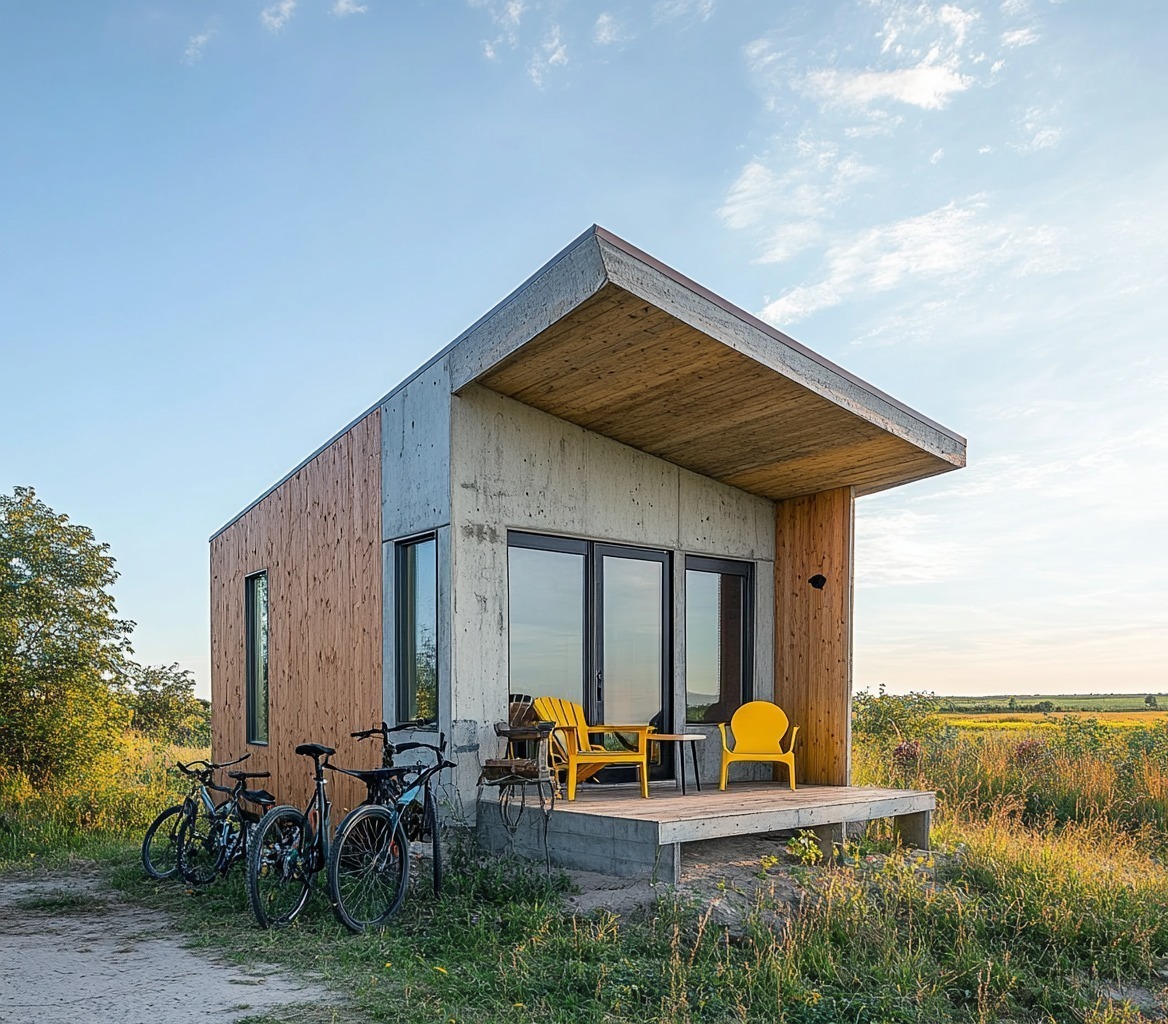
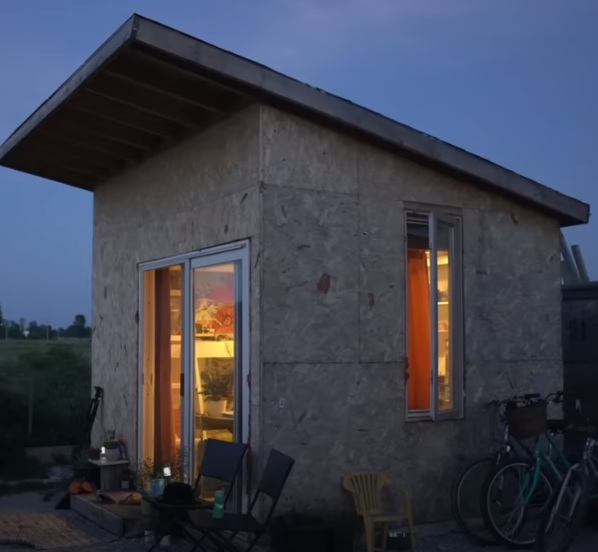
A major driving force behind the tiny home movement is the pursuit of a more sustainable lifestyle. With growing awareness of their carbon footprint, many people are seeking ways to live in harmony with the planet. Downsizing to a smaller home naturally reduces energy consumption and waste production. Many tiny homes are designed with eco-friendly features—think solar panels, composting toilets, and reclaimed materials—further minimizing their environmental impact.
Living in a tiny home also encourages mindful consumption. Residents often adopt habits that reduce waste, from recycling to repurposing materials. The simplicity of a compact space fosters a deeper connection with nature and heightened awareness of daily resource use. For eco-conscious individuals, this lifestyle aligns perfectly with broader sustainability goals.
Embracing Simplicity and Minimalism
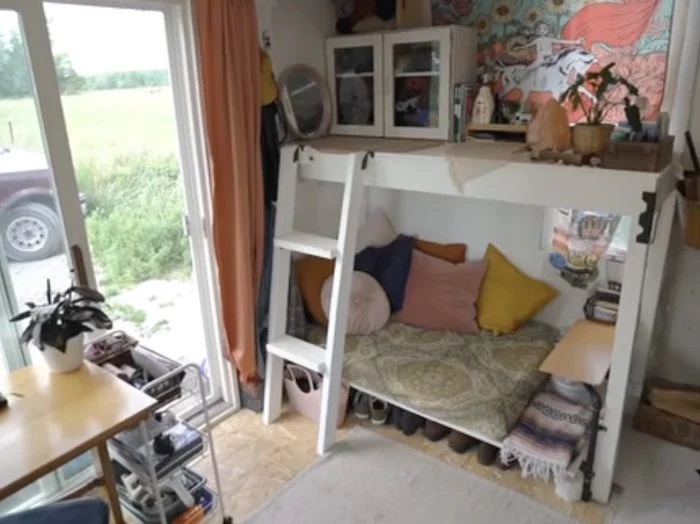
Tiny living is inherently tied to the principles of minimalism. With every square foot counting, homeowners are intentional about what they bring into their space. This often means letting go of excess possessions and focusing on what truly matters.
Minimalism in a tiny home creates an opportunity for a more intentional, fulfilling life. With fewer material distractions, residents can prioritize experiences, relationships, and personal growth. Many report feeling calmer, less stressed, and more content in their uncluttered, thoughtfully curated spaces.
Practical Benefits
Beyond philosophy, tiny homes offer tangible advantages. Maintenance and cleaning become far simpler in a smaller space, freeing up time and energy for hobbies, family, or community engagement.
Affordability is another major draw. Tiny homes often cost a fraction of traditional houses, making homeownership accessible for first-time buyers or those looking to downsize. Lower living expenses can provide financial freedom, allowing homeowners to invest in travel, experiences, or savings.
Portability adds yet another layer of appeal. Many tiny homes are built on wheels, offering mobility and flexibility that conventional houses cannot. This makes them perfect for adventurers, digital nomads, or anyone eager to explore new regions without being tied down.
Community and Connection
The tiny home movement has also sparked a strong sense of community among its enthusiasts. Many tiny home dwellers become part of a growing network of like-minded individuals who value simplicity, sustainability, and intentional living. Tiny home neighborhoods are emerging worldwide, offering residents opportunities for social interaction, collaboration, and mutual support.
These communities often emphasize shared values, creating spaces where people can connect, exchange ideas, and even share resources. The resulting sense of belonging adds a deeper layer of fulfillment, enhancing the overall tiny home experience.
Conclusion
The tiny home lifestyle represents a cultural shift toward sustainability, simplicity, and intentional living. People choose smaller living spaces for a variety of compelling reasons: environmental consciousness, minimalism, practical benefits, and community connection. This movement challenges traditional notions of home and lifestyle, offering new possibilities for a more mindful, connected, and rewarding way of life. As the trend continues to grow, tiny homes are likely to influence broader conversations about housing, sustainability, and community for years to come.