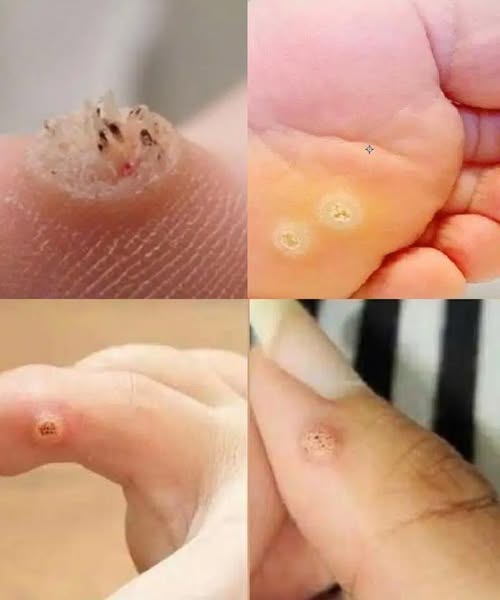
Moles are clusters of pigmented cells that are usually harmless—especially when they stay stable, symmetrical, and don’t change over time. But if you notice any shifts in size, shape, or color, or symptoms like itching, bleeding, or crusting, it could be a warning sign of melanoma, a serious type of skin cancer. Catching it early is critical for effective treatment.
Dermatologists use the ABCDE rule to spot potentially dangerous moles:
- Asymmetry: One half doesn’t match the other
- Border: Edges are irregular, ragged, or blurred
- Color: Multiple or unusual shades
- Diameter: Larger than 6 millimeters (about the size of a pencil eraser)
- Evolving: Any changes over time
If your mole fits any of these, don’t wait—see a doctor immediately.
But it’s not just moles you should watch. Other skin growths can also signal trouble:
- Actinic keratoses: Rough, scaly patches caused by sun damage, which can turn into squamous cell carcinoma
- Basal cell carcinoma: Waxy, pearly bumps that might bleed or crust
- Squamous cell carcinoma: Red, crusted, or scaly nodules
- Seborrheic keratoses: Usually harmless but can sometimes look like cancerous lesions
Be alert for warning signs like a spot that suddenly appears or grows fast, persistent pain, bleeding, spreading discoloration, or sores that don’t heal.
Regular self-checks and visits to your dermatologist are vital—especially if you notice anything unusual.
Take Sarah’s story as a reminder: early detection saved her life. Simple steps like using sunscreen daily, avoiding tanning beds, wearing protective clothing, and knowing your family history can make a huge difference.
Not every growth means cancer, but when it comes to your skin, vigilance pays off. Protect yourself—your skin could be telling you something important.