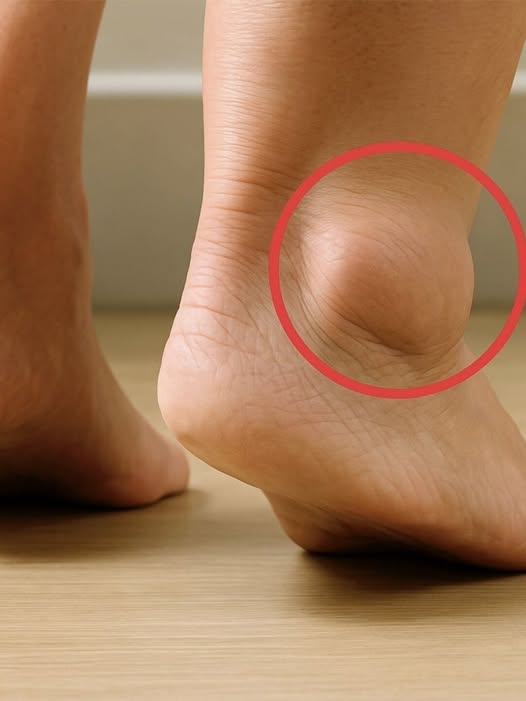
Swollen legs, medically known as edema, happen when excess fluid collects in the tissues of your lower limbs, making them look puffy, tight, or heavy. This uncomfortable condition can affect one or both legs and vary from mild swelling to severe discomfort. Learning to recognize the symptoms, understand the causes, and explore treatment options is key to managing swollen legs and preventing potential complications.
Recognizing the Symptoms
- Noticeable puffiness or swelling in your feet, ankles, calves, or thighs
- Skin that feels stretched, tight, or even shiny
- A heavy, aching, or uncomfortable sensation in the legs
- Indentations left behind when pressing the swollen area (called pitting edema)
- Stiffness or pain that may limit your movement
What Causes Swollen Legs?
- Injury or Infection: Sprains, fractures, or infections can trigger localized swelling.
- Venous Insufficiency: When leg veins struggle to push blood back to the heart, fluid pools in the legs.
- Heart, Kidney, or Liver Conditions: These health issues can cause widespread fluid retention.
- Medications: Certain drugs, like calcium channel blockers or steroids, might cause swelling as a side effect.
- Prolonged Inactivity: Sitting or standing for long periods allows gravity to pull fluid down into your legs.
- Pregnancy: Increased blood volume and pressure on veins often lead to swollen legs.
How to Manage and Treat Swollen Legs
- Lifestyle Tips: Elevate your legs regularly, avoid sitting or standing too long, wear compression stockings, and stay active to boost circulation.
- Medical Care: Treat any underlying conditions—such as heart or kidney disease—with guidance from your healthcare provider.
- Diet Adjustments: Cutting back on salt can help reduce fluid buildup.
- When to See a Doctor: If swelling comes on suddenly, causes pain, is paired with shortness of breath, or if you have heart or kidney problems, seek medical advice promptly.