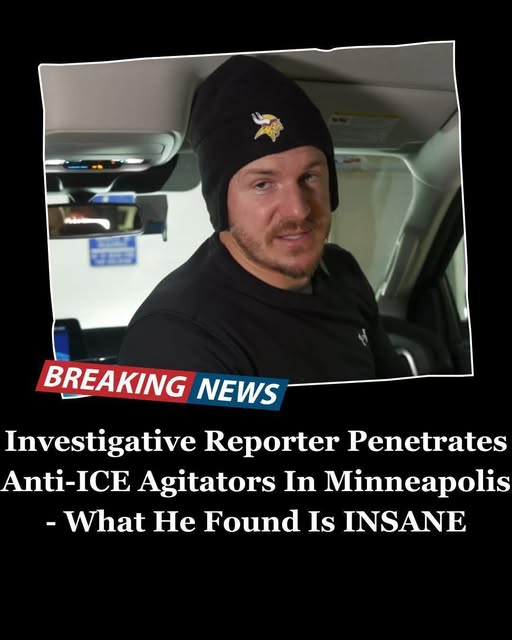
The first threat came before the cameras were even rolling. Then the crowd closed in. Faces hardened. Voices rose. Phones appeared, not to record truth, but to track, intimidate, and erase it. In Minneapolis’s “autonomous zone,” James O’Keefe says the rules changed fast. Law felt distant. Fear felt close. Journalists became targ…
What unfolded around O’Keefe in Minneapolis was less a one‑off confrontation than a portrait of a city split at the seams. Federal agents, already mistrusted after deadly shootings, now move through neighborhoods where many residents see them not as protectors but as an occupying force. In response, activist networks have grown more organized, more suspicious, and more willing to confront anyone they view as aligned with state power—including reporters.
O’Keefe’s team, followed, boxed in, and pelted with objects, stepped into a space where fear governs more than law, and where narrative control is its own battleground. His experience captures something larger than one trip: a country where citizens doubt institutions, activists doubt the media, and journalists risk becoming targets simply for trying to witness the collision between government power and public rage. In that fragile space, trust isn’t just broken—it’s weaponized.