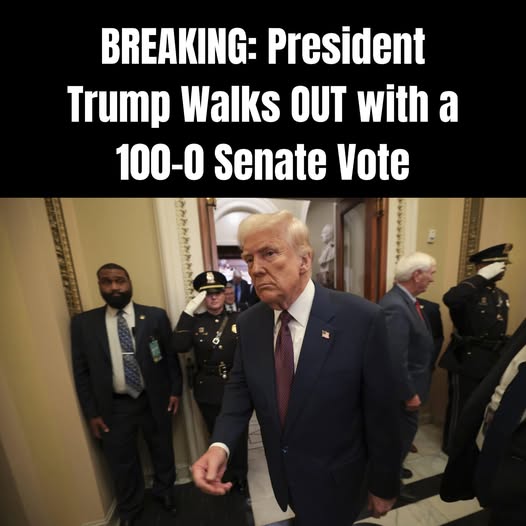
WASHINGTON, D.C. — On July 4, 2025, President Donald Trump signed the One Big Beautiful Bill Act (OBBB) into law, marking one of the most extensive tax packages enacted in recent years. This sweeping legislation not only makes permanent several major tax reductions originally slated to expire at the end of 2025 but also introduces a variety of significant new benefits specifically aimed at financially supporting American workers, families, and small businesses.
By securing these long-standing tax cuts indefinitely, the OBBB ensures that individuals and companies across the country will continue to operate under a lower and more predictable tax structure for the foreseeable future.
Key Pillars of the New Legislation
A centerpiece of the new law is the expansion of taxpayer-focused deductions, including two key measures:
- Tax-Free Overtime Pay: Introducing deductions related to compensation earned through extended hours.
- Enhanced Deduction for Senior Citizens: Providing an additional deduction tailored to the needs of older Americans.
However, the provision that has garnered the most national attention and public discussion is the inclusion of the No Tax on Tips Act, a measure explicitly designed to support the millions of Americans who depend on gratuities as a primary source of income.
According to conservative projections from the Congressional Budget Office (CBO), the full array of tax changes within the OBBB is expected to increase the federal deficit by approximately $3.4 trillion over the next decade, a figure that reflects the massive scale and long-term financial impact of these sweeping tax reforms.
Relief for the Service Economy
The passage of the OBBB has been especially well received by workers in the service and hospitality industries, including a broad range of employees such as restaurant staff, bartenders, hotel workers, delivery and rideshare drivers, salon professionals, and many others whose livelihoods rely heavily on customer gratuities.
Supporters of the law argue that these workers—many of whom operate paycheck to paycheck and face unpredictable earnings—deserve targeted tax relief that directly increases their net take-home pay. While the tax-free overtime and tip provisions function as deductions rather than full tax eliminations, they nevertheless have the profound potential to raise the net income for millions of employees whose compensation is intrinsically linked to long hours and customer-based rewards.
Senator Ted Cruz of Texas, one of the lead sponsors of the bill, strongly emphasized the equity and fairness goals behind the legislation. “This is about fairness,” he said. “These workers are putting in long hours and living paycheck to paycheck. They deserve to keep more of what they earn.” His co-sponsor, Senator Jacky Rosen of Nevada, highlighted the bill’s significance for states whose economies are deeply dependent on tourism and hospitality. “Service workers are the backbone of the economy,” she noted. “This bill offers them the respect and support they deserve.”
The Mechanics of Tax-Free Tipping
The No Tax on Tips Act itself represents a significant structural amendment to the federal tax code. Under pre-existing law, all tips—whether paid in cash, added to a credit card bill, or distributed through complex tip-sharing systems—were required to be reported as fully taxable income, with employers responsible for withholding federal income taxes accordingly.
With the new provision under OBBB, tips would still need to be reported to the Internal Revenue Service (IRS), but they would no longer be subject to federal income tax, providing tipped employees with a substantial and immediate boost in their net disposable income.
Importantly, the law carefully draws distinctions between different types of payments to ensure targeted relief:
- Qualifying Tips: Only voluntary tips—those freely given by customers—qualify for the tax exemption.
- Non-Qualifying Payments: Automatic service charges, such as mandatory gratuities added to large restaurant parties or hotel bills, do not count as tips under the law and therefore remain fully taxable.
- Targeted Exclusion: The benefit does not apply to individuals in Specified Service Trades or Businesses (SSTBs), such as attorneys, consultants, financial advisors, or entertainers. This restriction ensures that the tax break is focused squarely on workers who genuinely rely on customer gratuities as a component of their daily earnings, rather than on highly paid professionals whose income is derived from specialized skill or reputation.
Easing Burdens and Boosting Stability
Supporters of the new tax structure argue that these provisions will ease administrative and financial burdens for small businesses, many of which struggle with the complexities of tip reporting requirements and fluctuating payroll obligations. By reducing the federal tax impact on tipped income, the law is expected to improve financial stability for both businesses and employees in industries where weekly compensation can vary widely.
For lower- and middle-income workers—especially those navigating the high cost of living in urban areas—the ability to keep more of their earnings could result in a significant, tangible improvement in their financial security, budgeting capacity, and overall monthly cash flow.
Taken together, the comprehensive changes introduced through the One Big Beautiful Bill Act represent a broad national effort to strengthen the American workforce, modernize an outdated tax policy, and provide targeted financial relief to the workers who form the foundation of the country’s service economy. While debates regarding the long-term fiscal impact of the legislation will undoubtedly continue, the immediate effects are clear: millions of Americans who rely on tips, overtime, and variable earnings now stand to benefit from a more supportive and worker-focused tax environment.
Given the focus on federal tax changes, would you like me to find out more about the specific income thresholds affected by the permanent extension of the original 2017 tax cuts within the OBBB?
The OBBB Effect: $3.4 Trillion Tax Package Secures Permanent Cuts, Makes Tips Tax-Free
WASHINGTON, D.C. — On Independence Day, July 4, 2025, President Donald Trump signed the One Big Beautiful Bill Act (OBBB) into law, finalizing one of the most sweeping and financially impactful tax packages enacted by Congress in years. This comprehensive legislation not only makes permanent several major tax reductions that were originally scheduled to expire at the close of 2025 but also introduces a variety of significant new benefits targeting American workers, families, and small businesses.
By securing these long-standing tax cuts, the OBBB ensures that individuals and companies across the country will continue to operate under a lower and more predictable tax structure for the foreseeable future, anchoring the country’s tax policy to the levels established in 2017.
Expanded Deductions and Worker-Focused Relief
The centerpiece of the new law is a concerted effort to expand taxpayer-focused deductions. This includes the introduction of deductions for tax-free overtime pay and an enhanced additional deduction specifically for senior citizens.
However, the provision that has captured the most national attention is the No Tax on Tips Act, a measure deliberately designed to provide targeted financial relief to the millions of Americans who rely on gratuities as a primary source of income. This includes the vast workforce in the service and hospitality industries, such as restaurant staff, bartenders, hotel employees, delivery drivers, rideshare workers, and salon professionals, whose earnings are heavily dependent on customer-based compensation.
Supporters of the law argue vigorously that these workers—many of whom live paycheck to paycheck with volatile earnings—deserve a form of targeted tax relief that directly increases their take-home pay. While the tax-free overtime and tip provisions function as deductions rather than full tax exclusions, they nevertheless have the potential to raise the net income for millions of employees whose livelihoods depend on long hours and tips.
The $3.4 Trillion Price Tag
According to projections from the Congressional Budget Office (CBO), the full array of tax and spending changes within the OBBB is expected to increase the federal deficit by approximately $3.4 trillion over the next decade. This figure accounts for the massive scale and long-term financial impact of the reforms, including an estimated $4.5 trillion in reduced revenues offset by an estimated $1.1 trillion in reduced direct spending.
Co-sponsors championed the equity aspects of the tax cuts. Senator Ted Cruz (R-TX), one of the bill’s lead proponents, emphasized the fairness goals: “This is about fairness. These workers are putting in long hours and living paycheck to paycheck. They deserve to keep more of what they earn.” Senator Jacky Rosen (D-NV) highlighted the bill’s profound significance for states whose economies are deeply intertwined with tourism and hospitality. “Service workers are the backbone of the economy,” she noted. “This bill offers them the respect and support they deserve.”
Defining “Tax-Free” Tips
The No Tax on Tips Act represents a significant amendment to the federal tax code, though it does not eliminate all taxation. Under the pre-existing system, all tips—whether paid in cash, on a credit card, or distributed through a tip-sharing system—had to be reported as taxable income, subject to federal income tax withholding.
With the new provision under OBBB, tips must still be reported to the IRS, but eligible workers may deduct up to $25,000 of that income from their federal taxable base. This deduction starts to phase out for single filers with Modified Adjusted Gross Income (MAGI) over $150,000 ($300,000 for married couples filing jointly).
The law carefully draws distinctions to ensure the relief is targeted:
- Qualifying Tips: Only voluntary tips—those freely given by customers—qualify for the tax deduction.
- Non-Qualifying Payments: Automatic service charges, such as mandatory gratuities added to bills for large restaurant parties or hotel services, do not count as tips and therefore remain fully taxable.
- Targeted Exclusion: The benefit does not apply to individuals in Specified Service Trades or Businesses (SSTBs), such as attorneys, consultants, financial advisors, and other professionals whose income is primarily derived from specialized services rather than direct tipping from customers.
Supporters believe that by reducing the income tax impact on tipped earnings, the law will ease administrative and financial burdens for small businesses and notably improve the financial stability and monthly cash flow for lower- and middle-income workers in variable-compensation industries.
The changes introduced through the One Big Beautiful Bill Act represent a broad national effort to strengthen the American workforce and modernize tax policy. While debates over the long-term fiscal impact will continue, the immediate outcome is clear: millions of Americans who rely on tips, overtime, and variable earnings stand to benefit from a more supportive and worker-focused federal tax environment.
