Parents Beware: The Hidden Meanings Behind Everyday Emojis — What You Need to Know
Being a parent today isn’t easy—especially with kids constantly connected to their phones and social media changing faster than ever. Trying to understand what they’re really saying online can feel like decoding a secret language.
Now, police are sounding the alarm about a seemingly harmless emoji that could actually be a warning sign for something much more serious.
The Secret Language of Emojis
For many kids, texting and social media aren’t just ways to chat—they’re their main mode of communication. But behind those cute symbols lies a hidden world of codes, some of which signal danger.
Unfortunately, the internet isn’t always safe for kids. From online predators to exposure to risky behaviors, young people are more vulnerable than ever. And authorities have discovered that certain emojis are being used as secret signals, especially when it comes to drug use.
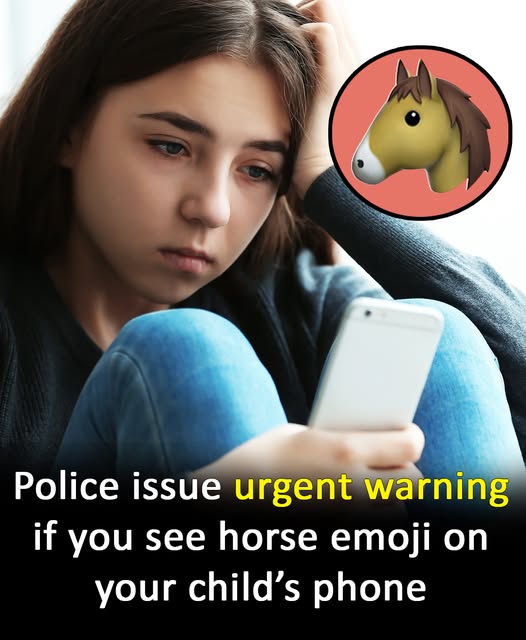
One emoji in particular is raising red flags—the horse emoji 🐴.
What the Horse Emoji Really Means
You might think your child is just sending you a cute picture of a pony. But the horse emoji is actually slang for ketamine—a powerful anesthetic drug also known as “Special K.” Ketamine is increasingly misused by teens for its hallucinogenic effects.
Law enforcement agencies across the U.S. are cracking down on these hidden drug references in texts and social media posts. They’re urging parents to pay close attention to the emojis kids use, because what seems innocent might hide a dangerous secret.
Other Emojis Parents Should Watch Out For
It’s not just the horse emoji. Police have identified several other emojis often used to talk about drugs, including:
- 👽 Alien, 💀 Skull, or 🎭 Demon mask — MDMA (Ecstasy or “Molly”)
- ❄️ Snowflake or ☃️ Snowman — Cocaine
- 🍁 Maple leaf, 🌳 Tree, or 🍀 Four-leaf clover — Marijuana
- 🍰 Cake, 🍦 Ice cream, or certain fruits like 🍇 Grapes, 🍋 Lemons, 🍒 Cherries — Edibles or cannabis products
And it doesn’t stop there. A recent Netflix series, Adolescence, uncovered how groups like the manosphere and incel communities also use their own emoji codes to communicate covertly online.
Parents, staying informed and aware is more important than ever. Keep an open conversation with your kids about online safety and watch out for the hidden meanings behind those emojis — it might just help protect them from harm.

Netflix’s Adolescence Sheds Light on the Dark World of Online Radicalization
The critically acclaimed Netflix drama Adolescence is shining a spotlight on a disturbing trend: the rise of misogynistic online influencers who prey on vulnerable young boys.
The series follows the heartbreaking journey of a 13-year-old boy who becomes radicalized by content from the manosphere — an online subculture promoting toxic masculinity and extreme anti-feminist beliefs — ultimately culminating in a tragic act of violence.
Secret Emojis in Incel Culture
In Adolescence, emojis play a chilling role as covert symbols used within the incel community, including:
- 💥 Dynamite emoji — Represents an “exploding red pill,” signaling awakening to harsh “truths”
- 💯 100 emoji — Refers to the “80/20 rule,” the belief that 20% of men attract 80% of women
- 🫘 Kidney bean emoji — Used as a derogatory tag for incels
Experts warn that the manosphere’s toxic messages are spreading rapidly through social media, luring more and more young boys into radicalized worldviews.
The Red Pill Symbolism
Dr. Robert Lawson, a sociolinguistics expert at Birmingham City University, explains in The Conversation how the pill emoji (💊) has been co-opted by this movement. Inspired by the iconic red pill scene from The Matrix, “taking the red pill” symbolizes waking up to a supposed “truth” that challenges mainstream beliefs and societal norms.
With social media making it easier than ever to share these ideas, parents must stay vigilant and informed about these hidden codes and the dangers lurking behind seemingly innocent emojis.

“The cyberpunk blockbuster The Matrix is the origin of a key symbol in the manosphere—the red pill,” explains Dr. Lawson.
Within these online communities, men who say they’re “red-pilled” believe they’ve uncovered the so-called “truth” about women’s behavior and dating preferences—a worldview often rooted in misogyny and mistrust.
What Parents Can Do
As digital culture keeps evolving, so do the ways kids communicate. While emojis might look innocent, many carry hidden meanings parents need to recognize. Here’s how you can stay ahead:
- Stay informed: Keep up with new slang, emoji meanings, and online trends.
- Have open conversations: Discuss the risks of online radicalization and drug use honestly and without judgment.
- Monitor digital activity: Check in on your child’s social media use while respecting their privacy.
- Use parental controls: Take advantage of built-in tools on apps to filter out harmful content.
The internet is an incredible resource—but it also poses risks. Staying educated and proactive is the best way to protect your children in this fast-changing online world.
Feel free to share this article to help other parents stay informed and vigilant!