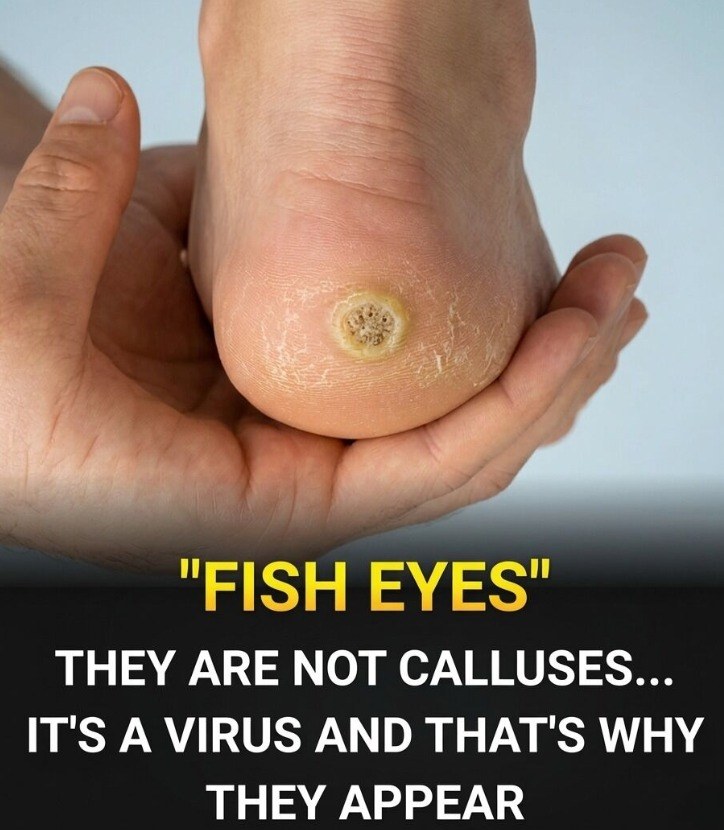
Many people assume that any thick, hardened patch on the sole of the foot is simply a callus caused by pressure or friction. While calluses are common, some of these patches may actually be plantar warts, which can look very similar in their early stages. Both can appear as rough, hardened areas, but the causes are very different, making correct identification important.
Calluses form as the body’s protective response to repeated pressure, while plantar warts are caused by the human papillomavirus (HPV), a viral infection affecting the skin. Unlike calluses, plantar warts can grow inward, creating a sensation like stepping on a small stone, and may cause discomfort during walking or standing.
HPV enters through tiny breaks in the skin, often in warm, moist public areas like pools, gyms, and showers. The virus can spread to nearby skin or other people if hygiene is not maintained. Risk factors include weakened immunity, damaged skin, or prolonged exposure to damp environments.
Visually, plantar warts differ from calluses. They often appear as small, rough, circular growths that disrupt normal skin lines and may contain tiny black dots—clotted blood vessels. Warts typically hurt more when squeezed from the sides, while calluses hurt when pressed directly.
Mistaking a wart for a callus can lead to improper treatment. Filing, scraping, or using callus removers does not address the viral infection and can worsen the problem or spread the virus. Self-treatment can be particularly risky for people with diabetes, circulation issues, or weakened immunity.
Plantar warts can affect posture and mobility if pain causes people to shift weight away from the affected area, potentially leading to strain on joints and muscles.
Treatment focuses on eliminating the virus and promoting healthy skin growth. Options include topical therapies, dermatological procedures, and professional guidance.
Prevention is key: maintain foot hygiene, keep feet clean and dry, avoid walking barefoot in public spaces, and avoid sharing personal items. Recognizing the difference between plantar warts and calluses ensures proper care, comfort, and long-term foot health.