NOTE:VIDEO AT THE END OF ARTICLE.
Devastating Texas Flash Flood Unfolds in Gripping Time-Lapse as Search Continues for Missing Summer Campers
A catastrophic flash flood swept through Kerr County, Texas, over the July 4th weekend, captured in haunting time-lapse footage that reveals just how quickly disaster can strike. This dramatic video exposes the sudden surge of floodwaters that tragically claimed at least 51 lives and left many children from a nearby summer camp missing. The incident has sparked one of the largest and most urgent search and rescue missions in recent Texas history, as authorities race against time to find those still unaccounted for.
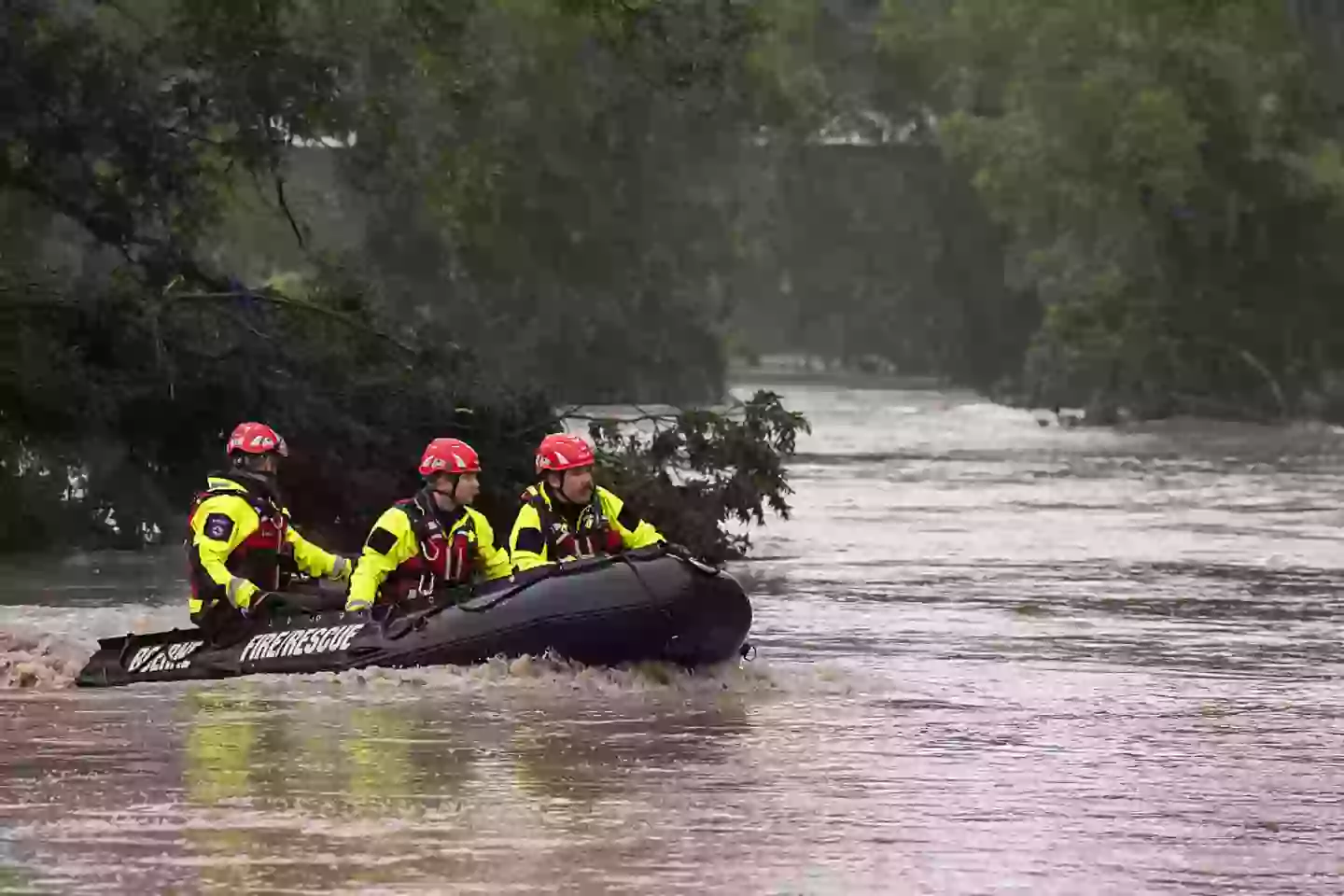
As communities across America celebrated Independence Day, a sudden and devastating flood transformed what should have been a joyful holiday weekend into a grim emergency response. The Guadalupe River system near Kerrville surged to unprecedented levels, overwhelming local infrastructure and catching residents and visitors completely off guard with its rapid rise and catastrophic force.
The Scope of the Disaster
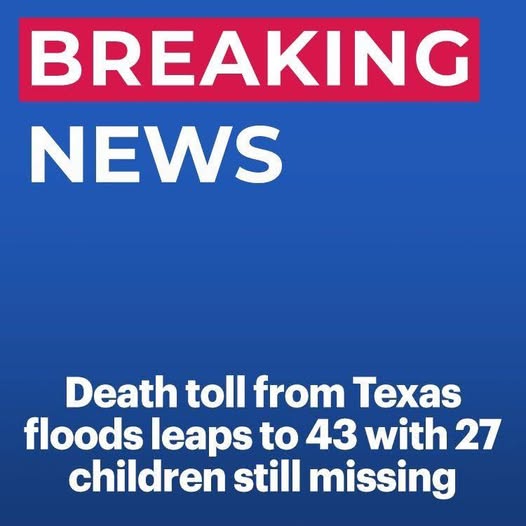
NBC News reports confirm at least 51 lives lost—tragically including 15 children—making this one of the deadliest natural disasters Texas has faced in recent memory. But the toll extends beyond confirmed casualties. Search and rescue teams are working tirelessly around the clock, focusing especially on locating more than 20 children still missing from Camp Mystic, a summer camp just outside Kerrville. The community remains gripped by the ongoing efforts to bring everyone safely home.

Camp Mystic, hosting roughly 750 girls during the catastrophic flood, found itself directly in the path of rapidly rising waters that overwhelmed the entire facility. Power outages, loss of water supply, and severed communications have severely hampered rescue and recovery efforts. Texas Lieutenant Governor Dan Patrick stressed that the missing children are not necessarily “lost” but may simply be out of contact due to widespread infrastructure damage.
The heartbreak of the disaster has deeply touched families, exemplified by the tragic loss of nine-year-old Janie Hunt, a Camp Mystic camper whose death was confirmed by her mother in a tearful interview with CNN. Janie’s story is just one of many as parents anxiously await news of their children’s safety amid the ongoing crisis.
Time-Lapse Video Captures the Flash Flood’s Rapid Onset
A viral time-lapse video circulating on social media vividly documents the flood’s terrifying speed, turning what seemed like a minor water crossing into a deadly torrent in under seven minutes. The footage shows people casually walking toward a shallow depression in the road, only to witness a massive wall of water surge through, instantly reshaping the landscape and sweeping away everything in its path.
This visual record serves as a stark lesson on the unpredictable and lethal nature of flash floods, explaining why even experienced locals were caught unprepared. It highlights the limits of traditional evacuation methods when confronted with such rapid, overwhelming natural forces. The footage has struck a chord with viewers nationwide, sparking questions about the adequacy of early warning systems and community preparedness.
Coordinated Emergency Response and Challenges on the Ground
The Kerrville Police Department has marshaled a vast emergency response, deploying hundreds of first responders from across Texas. Officials have vowed to continue searching “until we find all our citizens,” reflecting the scale and resolve behind this massive operation.
However, responders face daunting obstacles: destroyed infrastructure, unstable terrain, and a vast area transformed by floodwaters make locating missing individuals a complex and perilous task. The response effort has expanded beyond local resources, with Texas Governor Greg Abbott issuing an extended emergency declaration and formally requesting federal aid to bolster rescue and recovery.
Meteorological Forces Behind the Disaster
City Manager Dalton Rice explained the rare meteorological conditions that fueled the flood. The Guadalupe River’s north and south forks normally handle precipitation separately, but on July 4th, intense rainfall struck both forks simultaneously. This perfect storm caused water levels on the south fork to surge from about seven feet to 29 feet in minutes — an explosive rise that left little time for evacuation or preparation.
This event underscores the growing unpredictability of extreme weather, challenging existing emergency systems designed for more gradual flooding. The rapid escalation from calm to catastrophe left many without warning, emphasizing the need to rethink flood preparedness in a changing climate.
Continuing Weather Threats and Future Risks
The National Weather Service continues to monitor volatile weather patterns across Texas, issuing additional flood warnings for vulnerable areas. These unstable conditions complicate ongoing search efforts and raise fears of further flooding that could disrupt recovery.
Forecasters work to refine predictions, but the same meteorological complexity that triggered this disaster complicates accurate forecasts. Meanwhile, emergency officials balance the urgency of rescue with the safety of their teams amid unpredictable weather.
Long-Term Impact and Road to Recovery
This disaster has profoundly shaken the affected communities. Beyond the tragic loss of life, the flooding has inflicted massive damage on homes, infrastructure, and local economies. Recovery is expected to be a lengthy process requiring coordinated efforts over months and years.
Local leaders, including Kerr County Judge Rob Kelly, acknowledge that despite modern monitoring, this scale of flooding was largely unforeseen. Their admission spotlights the immense challenges faced by communities confronting increasingly extreme weather events that push beyond historical experience.
Conclusion
The Texas flash flood disaster is a sobering testament to nature’s unpredictable fury and human vulnerability. The haunting time-lapse footage powerfully illustrates how quickly conditions can spiral into disaster. The ongoing search and rescue efforts reveal both the immense human cost and the bravery of first responders committed to saving lives.
As recovery begins, this tragedy will fuel urgent conversations on improving emergency preparedness, early warning systems, and building resilient communities. The lessons learned here are crucial for protecting others from future catastrophes in a world where extreme weather is becoming the new norm.