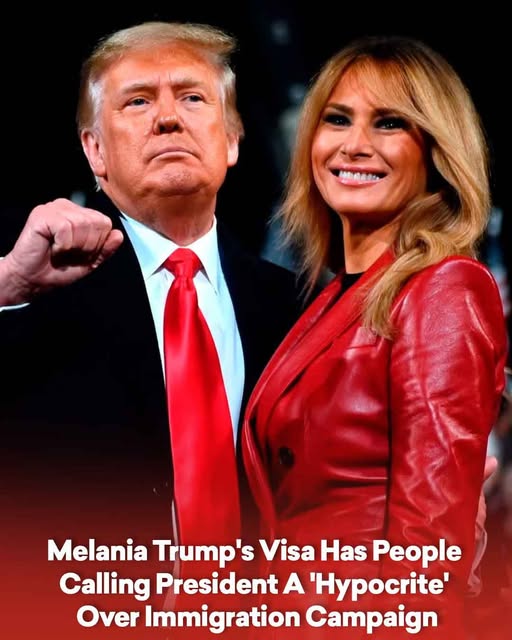
Melania Trump’s journey to U.S. citizenship has reignited discussions about immigration, especially as her husband, former President Donald Trump, has championed tough immigration policies.
At a recent House Judiciary Committee hearing, Texas Representative Jasmine Crockett questioned the approval of Melania’s EB-1 “extraordinary ability” visa—commonly dubbed the “Einstein visa.” This prestigious visa is typically reserved for individuals with exceptional accomplishments, such as Nobel Prize winners or Olympic champions.
“It doesn’t take an Einstein to see the math doesn’t add up,” Representative Crockett remarked, casting doubt on whether Melania’s modeling career truly met the high standards required for this visa category.
The exchange quickly went viral on social media, sparking debates about perceived contradictions between Donald Trump’s strict immigration stance and the immigration path taken by his own family. It also raised broader questions about how immigration laws are applied to high-profile or well-connected individuals.
The EB-1 visa demands applicants prove extraordinary ability in fields like the arts or sciences through documented achievements, peer recognition, or major awards. Critics argue that Melania Trump’s career may not clearly meet these stringent qualifications, fueling speculation that political influence or personal connections could have played a role in her visa approval.