To mitigate the staggering potential death toll of up to 300,000, Japan’s government has acknowledged that much more work is needed to prepare for a catastrophic “megaquake.” While earthquakes remain notoriously unpredictable, a government panel in January heightened concerns by raising the likelihood of a powerful quake in the Nankai Trough to 75–82 percent.
In March, the government released a revised estimate, forecasting that the megaquake, along with the ensuing tsunami, could cause up to $2 trillion in damages and claim nearly 298,000 lives.
In response, the Central Disaster Management Council introduced a preparedness strategy back in 2014, aimed at reducing fatalities by as much as 80 percent. However, experts agree that swift and comprehensive action must be taken to minimize the devastating consequences of the looming threat.
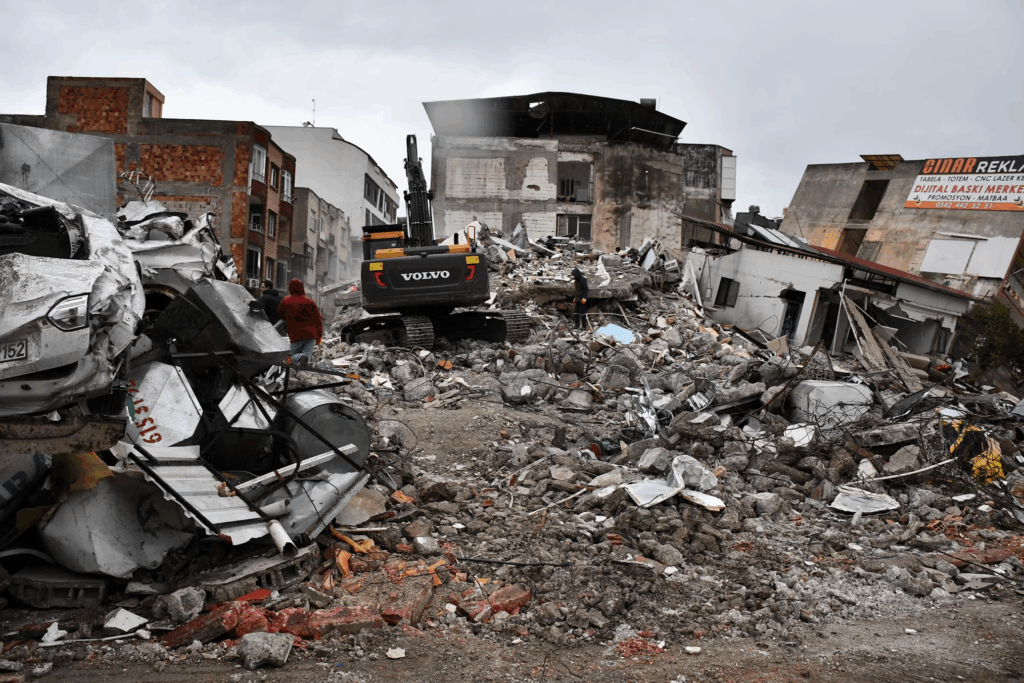
Japan’s government unveiled an updated contingency plan on Tuesday, acknowledging that the actions taken so far will only reduce the predicted death toll by 20%. This realization has spurred calls for even greater public preparedness, urging more rapid initiatives such as the construction of evacuation buildings, embankments, and more frequent drills.
Prime Minister Shigeru Ishiba emphasized the need for collective action, stating, “It is necessary for the nation, municipalities, companies, and non-profits to come together and take measures in order to save as many lives as possible,” according to local media reports.
The looming threat comes from the 500-mile-long Nankai Trough, which runs parallel to Japan’s Pacific coast. Beneath its surface, one tectonic plate is slowly slipping beneath another. Historically, megaquakes in this region have occurred every 100 to 200 years, with the last one taking place in 1946. As the risk of another major quake rises, Japan’s preparedness efforts are in full swing, though experts warn that more must be done to protect the population.
The Japan Meteorological Association (JMA) first raised alarms in August of last year, warning of an increased likelihood of a significant earthquake. However, that warning was rescinded a week later. In recent months, fears of an impending disaster, fueled by social media rumors, have led to cancellations of international visits, with some tourists delaying trips to Japan this summer.
A manga comic that predicted a major catastrophe on July 5, 2025, has added to these concerns, leading to a noticeable dip in tourist traffic from Hong Kong. According to AFP, Greater Bay Airlines, based in Hong Kong, had cut flights to Japan due to rapidly declining demand, with Hong Kong visitors dropping by 11.2% in May compared to the previous year.
While the fear is palpable, experts are quick to remind the public that, at present, predicting earthquakes with precision is impossible. Ryoichi Nomura, head of the JMA, stated, “It is impossible with current science to predict earthquakes by specifying the location, time, and magnitude of an earthquake. We ask the public to take certain steps so that you can cope with earthquakes no matter when they occur. But we also strongly urge the public not to make irrational actions driven by anxiety.”
The 2011 earthquake, which struck 81 miles offshore beneath the North Pacific, serves as a chilling reminder of Japan’s vulnerability. That quake, which registered a magnitude of 9.0, unleashed waves as high as 132 feet, leading to 15,500 fatalities. It also caused a catastrophic meltdown at the Fukushima nuclear plant, releasing toxic waste and forcing widespread evacuations.
However, experts warn that a megaquake in the Nankai Trough could prove far more devastating. As Japan intensifies efforts to prepare for the worst, the nation remains on edge, grappling with both the risk of disaster and the psychological toll of uncertainty.