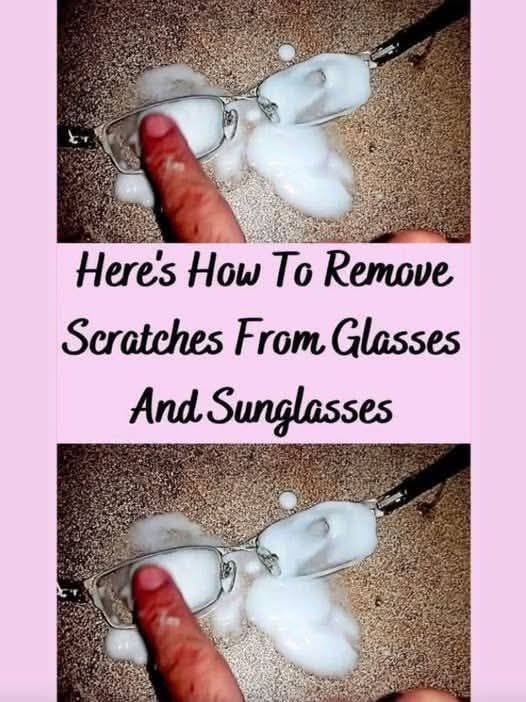
Scratched glasses are frustrating—but before you panic, there are a few at-home tricks that might help. Keep in mind: most scratches can’t be fully “repaired,” only minimized.
1. Baking Soda Paste 🥄
A classic DIY for tiny scratches on uncoated lenses.
✅ How to Use:
- Mix 1–2 teaspoons of baking soda with a few drops of distilled water to form a smooth, thin paste (avoid grit!).
- Clean lenses with lens cleaner or mild soap, then dry with a lint-free microfiber cloth.
- Gently rub the paste onto the scratch in small, circular motions for 10–15 seconds using a fingertip or soft cotton ball.
- Rinse with lukewarm water and dry with a microfiber cloth.
Best for: Hairline scratches on uncoated plastic or glass lenses.
Avoid if: Your lenses have anti-glare, anti-scratch, or blue-light coatings.
2. Non-Gel, Plain Toothpaste 🦷
Some swear by it—but only use plain, fluoride-only toothpaste (like children’s or basic white paste). Avoid gels or tartar-control formulas.
✅ How to Use:
- Apply a pea-sized amount to a damp microfiber cloth.
- Gently rub the scratch in tiny circles for 10 seconds max.
- Rinse thoroughly and dry.
⚠️ Caution: Most modern toothpastes contain polishing agents that can damage coated lenses. Test on the edge first and use only as a last resort.
3. Car Wax or Lens-Specific Scratch Fillers 🚗
Car wax or commercial scratch removers can temporarily fill tiny scratches, reducing glare and light scatter.
✅ How to Use:
- Clean lenses thoroughly.
- Apply a tiny drop to a microfiber cloth.
- Buff gently in circles.
- Wipe off residue completely.
⚠️ Warning: Wax can haze coated lenses or interfere with anti-reflective properties. Better suited for sunglasses or older glasses, not daily prescription lenses.
4. Avoid Metal Polishes ❌
Brasso and similar metal polishes may appear online as hacks—but they’re far too abrasive. Using them will permanently etch or cloud your lenses. Don’t risk it.
5. Prevention Is Better Than Repair 🛡️
Since true scratch repair is rare, protecting your lenses is key:
- Always store glasses in a hard case.
- Clean with lens cleaner + microfiber cloth (never paper towels or shirts).
- Place lenses facing up.
- Consider scratch-resistant coatings when buying new lenses.
- Keep a backup pair for rough days.
💡 When to See Your Optician
Replace your glasses if scratches:
- Are in your direct line of sight
- Cause eye strain, headaches, or night glare
- Come with peeling coatings or cracks
Many vision plans cover annual lens updates—clear vision is worth it!
🌟 Final Thought
Glasses aren’t just accessories—they’re your window to the world. DIY tricks like baking soda or toothpaste might soften a tiny nick on old readers, but your main prescription lenses deserve care. Sometimes, the best thing you can do for your eyes is let go of the scratch and enjoy a clear view again.