In the hyper-competitive landscape of the modern marketplace, the average consumer makes a purchasing decision in a matter of seconds. In that brief window, branding, shelf presence, and packaging are the primary drivers of choice. However, when the subtle art of “shelf appeal” crosses the line into what critics call deceptive packaging, it can trigger a high-stakes legal confrontation. A recent dispute within the spice industry has brought this issue into sharp focus. The conflict pits McCormick and Company, a global titan in the spice market, against Watkins Incorporated, a smaller but storied competitor. At the heart of this federal disagreement is a seemingly mundane object: a tin of black pepper.
The Shrinking Ounce: The Pepper Shaker Dilemma
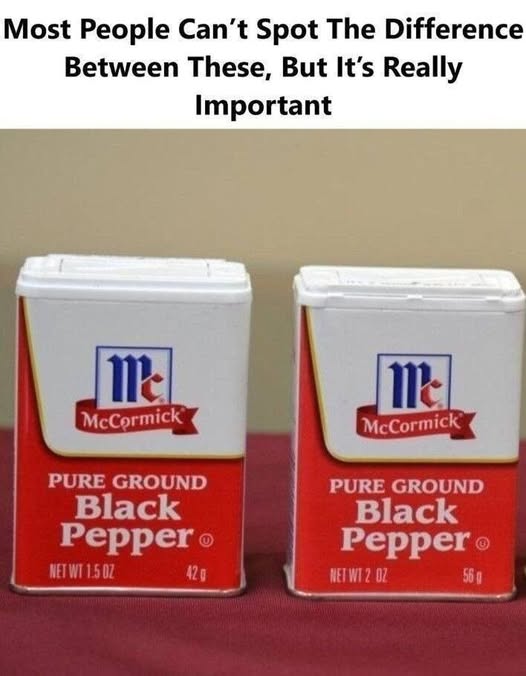
The controversy stems from a strategic shift by McCormick regarding its signature pepper containers. For years, the standard McCormick tin held approximately eight ounces of pepper. Recently, the company reduced that volume to roughly six ounces—a significant 25% reduction in product.
However, the “dilemma” cited by Watkins isn’t the reduction itself, but the container’s facade. Watkins alleges that McCormick kept the external dimensions of the tin largely the same. To the casual shopper, the container looks identical to the eight-ounce version they have purchased for decades, despite the fact that it now contains significantly less pepper.
Watkins has taken its grievances to court, arguing that McCormick is leveraging visual illusion to mislead the public. Because McCormick’s tins are opaque, consumers cannot see the empty space within. Watkins, which sells the same volume of pepper in smaller, clear containers, argues that when the two products sit side-by-side on a grocery shelf, McCormick’s packaging creates a false impression of superior value.
The Psychology of the Shop
For the consumer, the implications of this “slack-fill” debate are both financial and psychological. In the frantic environment of a supermarket, size is often used as a shorthand for value. When presented with two tins—one larger than the other—most shoppers instinctively reach for the larger one, assuming it offers more “bang for their buck.”
McCormick’s defense rests on the letter of the law: the net weight is accurately printed on the label. From their perspective, the onus is on the consumer to read the fine print. Yet, critics and legal experts argue that corporations are well aware that visual impressions frequently override a quick glance at a weight label. This tension has now escalated beyond a corporate rivalry; a class-action lawsuit has been filed by McCormick customers who claim they were misled by the packaging redesign.
The Fragility of Brand Equity
Beyond the technicalities of federal consumer protection laws, this dispute touches on the most valuable asset any corporation possesses: trust. A brand’s reputation is a painstakingly slow build, often taking generations to cement. However, that equity can be liquidated in an instant if a loyal customer base feels they have been the victim of a “bait-and-switch” tactic.
Even minor adjustments that seem like minor line-item wins to a corporate board can have lasting, negative impressions on the people who stock their pantries with those products. Once a consumer feels a brand has been less than transparent, restoring that relationship is an uphill battle.
A Lesson in Transparency
The McCormick-Watkins case serves as a vital case study for the broader business world. It suggests that in an era of heightened consumer awareness, clear labeling may no longer be enough if the overall presentation encourages a misunderstanding.
As these legal battles move through the federal court system, they place a spotlight on corporate ethics and the responsibility of transparency. It is a stark reminder that in the world of retail, the smallest details—even the dimensions of a pepper tin—can influence the long-term survival of a brand. Ethical business practices aren’t just about compliance; they are the foundation of a sustainable relationship with the public.