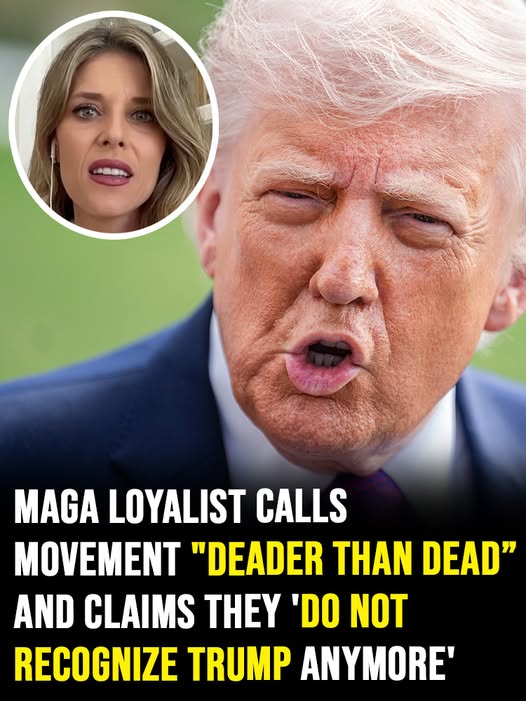
Donald Trump’s popularity among his die-hard supporters is plummeting. Now, a MAGA loyalist has made a shocking statement, saying that the movement is “deader than dead.”
During his presidential campaign, Donald Trump promised many things that haven’t been fulfilled. With promises of lower grocery prices and taxes, many of his supporters believed he could get it done. Meanwhile, Trump pushed his “America First” agenda, saying the U.S would not engage in any more wars.
In his election night victory speech in November of 2024, Trump said: “I’m not going to start a war. I’m going to stop wars.”
Moreover, during Donald Trump’s inaugural address, he went further in trying to brand himself as a global peacemaker.
The president said, “We will measure our success not only by the battles we win but also by the wars that we end – and perhaps most importantly, the wars we never get into.
Now, we know that it wasn’t quite the reality. Trump has had military operations in Venezuela, threatening to invade Greenland, and soon, troops could land on the ground in Iran. Meanwhile, prices at home are surging, and the polls aren’t a pretty picture for residents.
MAGA loyalist slams Donald Trump, claims the movement is “dead”
The fact that Trump entered a war in the Middle East has divided the nation, both in Congress and the Senate, both Democrats and Republicans, but also the public. Even some of Trump’s biggest supporters have criticized him, including media personality Carrie Prejean Boller.
Speaking on Piers Morgan Uncensored, she slammed Trump for what he is doing. She, a “loyal supporter of the presdietn for almot 20 years,” has had enough.
“This goes back to when I was 21 years old and I was Miss California at the Miss USA pageant. And I’ve known him – I consider him a dear friend – and I will tell you right now, I do not recognize our president,” Carrie Prejean Boller said.
Seemingly referencing the U.S involvement in Iran with Israel, she continued, “I think that we are an occupied nation. I think that a foreign country has occupied our government. And we are seeing now that this president of the United States of America is being influenced by a foreign government.
“And MAGA, let me tell you right now, MAGA is dead. It is deader than dead. And Americans are furious. We do not recognize President Donald J Trump anymore.”
“I thought MAGA was putting America first”
Carrie Prejean Boller previously wrote an open letter to Donald Trump after she was accused of “hijacking” a hearing about antisemitism.
“I thought MAGA stood for defending Americans who speak their convictions without fear of punishment,” Prejean Boller wrote, “I thought MAGA was putting America first, not Israel. Today I struggle to recognize the movement you started.”
What do you think of this? Please share this article and give us your opinion.