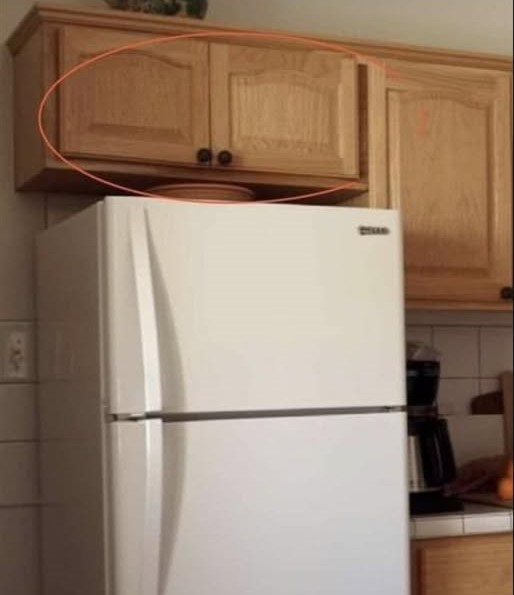
There is an undeniable psychological weight to a tidy home. For those of us wired toward order, a disorganized living space is more than just an eyesore—it is a cognitive barrier. When the environment is in disarray, focus becomes elusive, and the nagging sense that things aren’t “precisely where they should be” can be overwhelming. This standard of precision, as many of us eventually realize, must extend to the most granular levels of the home, including the interior of the refrigerator and the cabinets surrounding it. Admittedly, this reverence for organization is often an acquired trait. In my younger years, the placement of household items was a secondary concern. I credit my mother for my eventual conversion; her home always appeared “camera-ready,” as if an estate agent were perpetually waiting in the wings to photograph it for a high-end portfolio. Beyond just setting an example, she passed down a catalog of practical domestic maneuvers—none more useful than the strategy for utilizing those awkward, shallow cupboards situated directly above the refrigerator. You likely know the ones: too high to reach comfortably and seemingly too small to be functional. However, if your kitchen features this specific architectural quirk, there are several “nifty” ways to transform that dead air into prime storage.

Optimizing the “Upper Reaches”
At first glance, these cabinets appear impractical. They lack the depth for bulky items and the accessibility required for daily dinnerware. But for a seasoned home organizer, they represent the perfect “overflow” zone. Here is how to best utilize that space:
- The Gadget Graveyard (for the Occasionally Used): While you wouldn’t store your daily coffee mugs here, this is the ideal home for specialized machinery. Think of the food processors, blenders, or waffle makers that only emerge for Sunday brunches or specific recipes.
- The Long-Term Pantry: Because canned goods and many baking essentials have extensive shelf lives, they are perfect candidates for high-altitude storage. It’s a “set it and forget it” zone for that extra flour or the backup cans of soup you won’t need until next season.
- The Culinary Library: Cookbooks are notorious for cluttering up valuable counter space. Storing them in the upper compartment keeps them preserved and out of the way, yet still within the kitchen’s ecosystem.
- Bulk Linens and Spices: Items purchased in bulk, such as rolls of kitchen towels, can be tucked away here until needed. Similarly, a small spice rack can consolidate your seasonings in one designated, out-of-the-way spot.
- Special Occasion Heirlooms: If you possess fine china or heirloom cutlery reserved for holidays, the space above the fridge is a strategic choice. Not only does it keep them safe from daily wear and tear, but it also places them well out of the reach of curious children.
A Note on Safety and Climate
While these tips can maximize your square footage, they come with a professional caveat. Always exercise caution when accessing high cabinets. If you are lifting heavy items, ensure they are manageable enough to be retrieved safely.
Furthermore, never rely on a flimsy chair; always use a sturdy step stool or a proper ladder. It is also worth noting that refrigerators emit a constant stream of heat from their cooling coils. This “warm zone” makes the overhead cabinet less than ideal for heat-sensitive items, such as certain chocolates or delicate oils, which could degrade over time.
Domestic efficiency is often found in the details we usually ignore. By rethinking the smallest cupboards in the house, we move one step closer to that “estate agent” level of clarity.
How do you utilize these high-altitude cabinets in your own home? Do you have a specialized use for that space? Share your thoughts and organizational wins in the comments below.