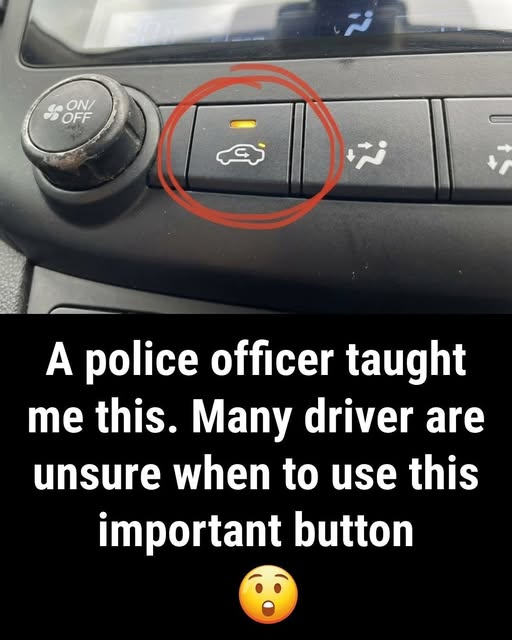
You’ve seen it a hundred times—that little button on your dashboard with a car icon and a looping arrow 🔄. Maybe you hit it during rush hour, a scorching summer drive, or when the car ahead is puffing out black smoke. But do you really know what it does—and when you should (or shouldn’t) use it?
Let’s clear the air—literally.
What Is the Air Recirculation Button?
The air recirculation button controls where your car’s HVAC system pulls air from:
- OFF (default): Fresh air is drawn from outside through the vents near your windshield.
- ON: The system recycles the air already inside your cabin, blocking outside air from entering.
Think of it like switching from an open window to a sealed room with its own climate loop.
5 Key Benefits of Recirculation Mode
✅ 1. Cools Your Car Faster in Summer
Recirculation speeds up cooling because your AC isn’t battling hot outside air. It simply re-chills the cooler cabin air—like running a fan in a closed room versus an open garage.
💡 Pro Tip: Start with recirculation ON to chill quickly, then switch back to fresh air once comfortable to avoid stuffiness.
✅ 2. Blocks Pollutants & Odors
Stuck behind a diesel truck, passing a landfill, or trapped in a tunnel? Recirculation acts as a temporary shield against exhaust fumes, smoke, pollen, and other irritants.
✅ 3. Reduces Allergens
For allergy sufferers, recirculation plus a cabin air filter means fewer sneezes. It limits pollen, dust, and mold spores from entering your car.
✅ 4. Helps Maintain Defrosting Efficiency
While fresh air is usually best for clearing foggy windows, recirculation can help maintain warmth after defrosting—especially in very cold climates.
✅ 5. Slightly Boosts Fuel Efficiency
Your AC works less hard when recirculating cooler air, reducing engine load and giving you a small fuel savings over time.
When NOT to Use Recirculation (The Hidden Downsides)
(…you can continue here with the “don’t use it all the time” section)