
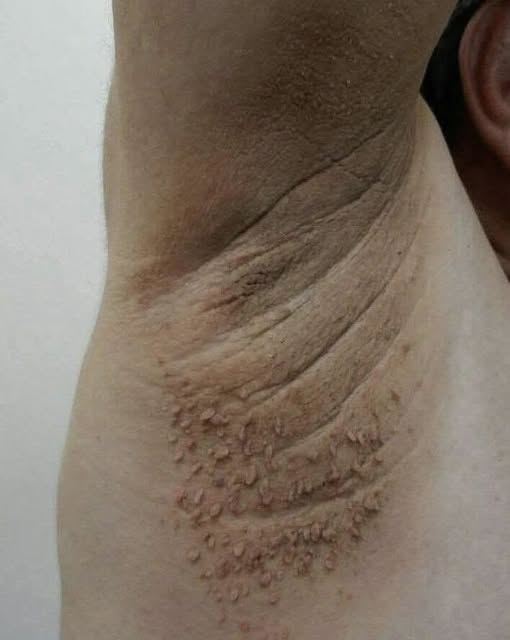
Have you spotted dark, velvety skin on your neck or underarms and tried scrubbing it off until it hurt? It’s not dirt. And it might be your body’s first desperate warning sign. Linked to insulin resistance, hormones, weight, even rare cancers, this quiet change can speak louder than pain. Ignoring it could cost yo…
Those dark, velvety patches in your neck, armpits, or other folds can feel embarrassing, but they are not a sign of being “unclean.” In many people, acanthosis nigricans is the skin’s way of flagging deeper issues like insulin resistance, prediabetes, hormonal imbalance, or medication side effects. The patches themselves are usually painless and harmless, but the message behind them can be life‑changing if you listen early.
A clinician can often recognize acanthosis nigricans just by looking, then use blood tests to check sugar levels, hormones, and overall metabolic health. Treating the root cause—improving blood sugar, adjusting medications, addressing weight or hormone disorders—often softens and lightens the skin over time. Gentle skincare, loose clothing, and sun protection can keep the area comfortable. If you notice sudden, spreading, or unusual patches, especially with thirst, frequent urination, or weight changes, don’t hide them. Show them to a professional and let your skin help protect your future health.