
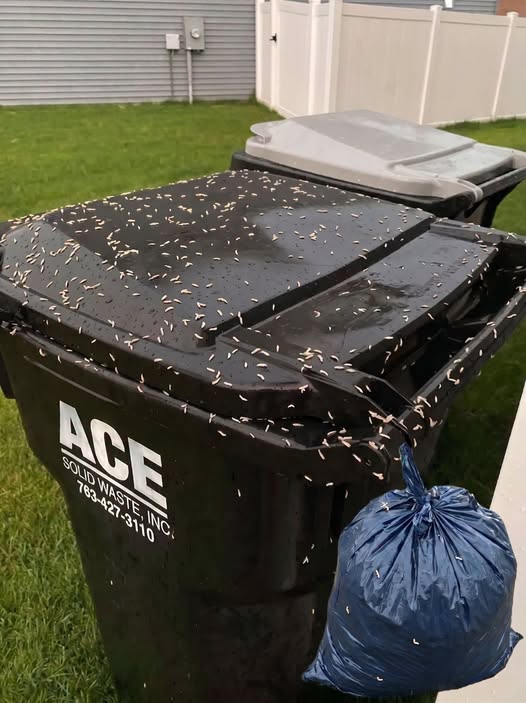
Discovering tiny white creatures wriggling at the bottom of your trash can is an undeniably unpleasant surprise. It is the kind of moment that makes you want to immediately slam the lid and walk away. However, there is no need for alarm. This is a remarkably common household occurrence, and it is almost always the result of a very simple, easily solvable situation. By understanding what these creatures are and how they arrived, you can quickly restore peace to your kitchen.
The pale, wriggling organisms you have encountered are maggots, which are simply the larval stage of the common housefly. They typically measure about a quarter to a half inch in length and are entirely legless. Their presence is a direct indicator that a fly has found its way into your garbage and laid eggs. Flies are naturally drawn to the organic matter we discard, particularly meat, dairy, and decaying fruits or vegetables. When this food waste is combined with the moisture and warmth often found inside a trash bin, it creates the perfect incubator for fly eggs to hatch and for the larvae to begin feeding.
Fortunately, eradicating an active maggot infestation is a straightforward process. The very first step is to remove the source of the problem by tying the infested garbage bag securely and taking it directly to your outdoor bin. Once the trash is gone, you must thoroughly clean the interior of the bin. Scrub the container using hot water and a strong disinfectant cleaner, or alternatively, a mixture of hot water and white vinegar. After washing, it is absolutely crucial to let the trash can dry completely before inserting a new bag, as maggots thrive in damp environments. For an extra layer of protection, you can sprinkle a light dusting of salt or food grade diatomaceous earth at the bottom of the clean, dry bin to deter future pests.
The most effective strategy for dealing with maggots is to ensure they never have the opportunity to appear in the first place. This begins with managing your waste more proactively. Make it a habit to take the garbage out regularly, especially during warmer months when fly activity is at its peak. Whenever you dispose of highly perishable food scraps, wrap them tightly in a separate bag or place them in a sealed container before adding them to the main trash. Always ensure the lid of your bin is snapped shut to physically block flies from entering. Furthermore, establishing a routine of washing the trash can with hot, soapy water will eliminate the lingering odors that attract flies. If you prefer natural solutions, tucking a few dried bay leaves or adding a few drops of peppermint oil to the bottom of the bin can act as a gentle, natural repellent, as flies strongly dislike these scents.
Ultimately, finding maggots in your garbage is not an indictment of your overall cleanliness. It is merely a biological reaction to a temporary food source. With a few mindful adjustments to your waste management routine, you can easily eliminate these unwelcome guests and keep your home fresh and pest free.