
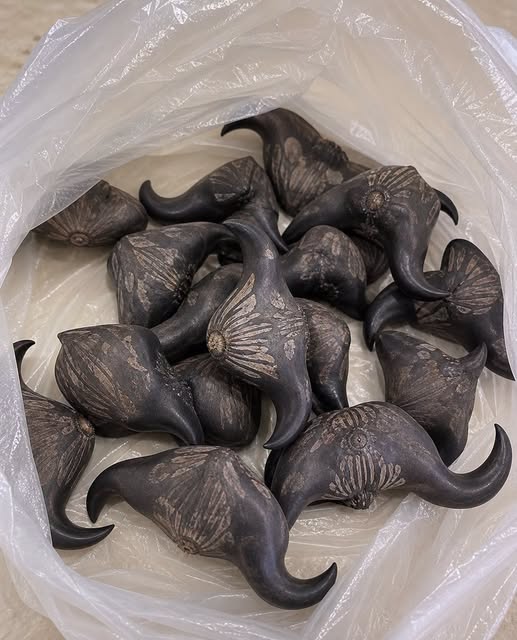
They look like fossilized bat skulls. Or tiny, black buffalo heads dredged from some haunted lake. Then a neighbor drops a bag of them at your door and says, “They’re good to eat.” One wrong move here can send parasites straight to your intestines. One casual bite, one raw seed, and everythin…
Those sinister, horned “devil’s nuts” are water caltrops: aquatic fruits that grow in ponds and slow-moving waterways, where their barbed shells guard a surprisingly mild, chestnut-like kernel. Across South Asia, especially India, this kernel is dried, ground into singhara flour, and folded into porridges, sweets, and batters that have nourished communities for generations. Their strange appearance hides a long, respected culinary history and a versatile, starchy ingredient.
But their freshwater origin also makes them a perfect vehicle for parasites like Fasciolopsis buski if eaten raw or undercooked. A gift from a well-meaning neighbor is not proof of safety; without knowing the exact source and species, the only responsible choice may be not to eat them at all. When they are correctly identified and sourced, they must be scrubbed, then thoroughly boiled or steamed before carefully cracking the razor-edged shell. With expert identification, verified origin, and rigorous cooking, you can enjoy their subtle flavor without gambling your health.