
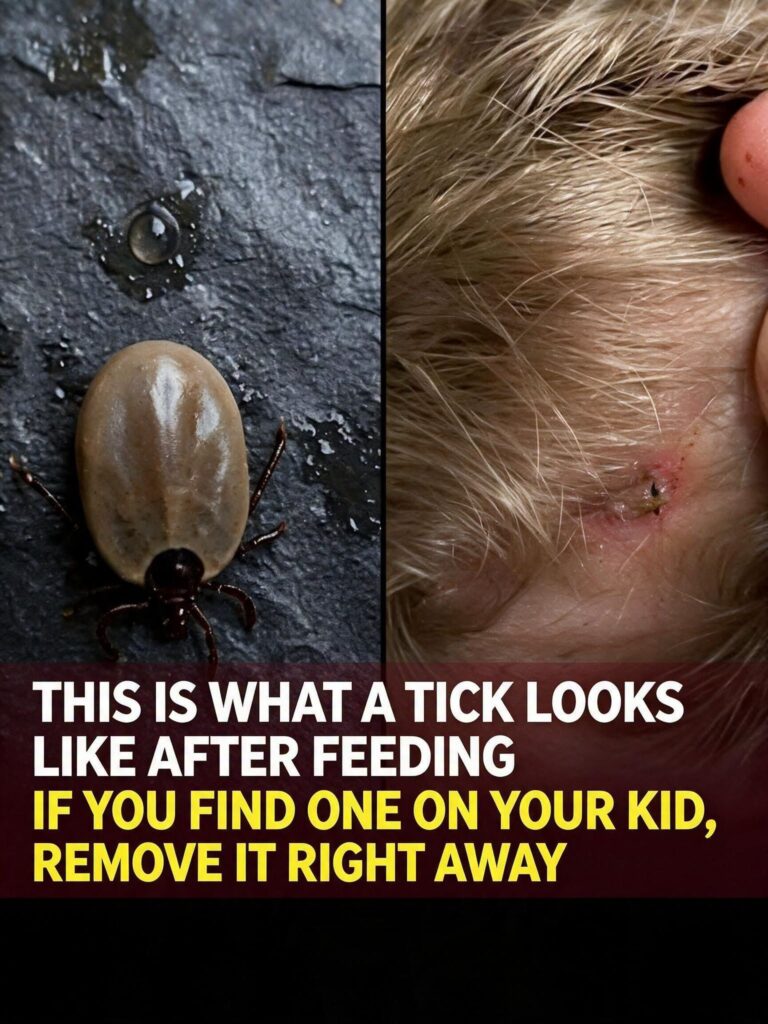
Emergency rooms across the United States are seeing an alarming spring surge in tick bite cases. Federal health officials report that hospital visit rates have climbed to their highest levels since 2017.
The Centers for Disease Control and Prevention (CDC) issued an urgent warning after surveillance data revealed a nationwide spike. Unusually mild winter temperatures and early spring warmth allowed ticks to emerge weeks ahead of schedule.
Data from the CDC Tick Bite Tracker shows emergency room visits jumped sharply. The rate reached 104 visits per 100,000 total ER visits this spring, up from 68 during the same period last year.
Regional health systems felt the pressure immediately. In the Northeast, tick-related ER visits surged nearly 40% year-over-year.
State testing facilities report matching trends. The Pennsylvania Tick Research Lab reported receiving 55% more tick submissions for testing this year compared to 2025. In Connecticut, state testing programs saw over 40% of submitted ticks test positive for Lyme disease bacteria.
Invisible Biters and Delayed Dangers
Public health experts warn that ticks are exceptionally difficult to spot.
Adult deer ticks measure about the size of a sesame seed. Immature ticks, known as nymphs, are barely larger than a single poppy seed. Ticks release pain-numbing compounds in their saliva, allowing them to feed completely undetected.
“Tick season is here and these tiny biters can make you seriously sick,” warned Dr. Alison Hinckley, a CDC epidemiologist and vector-borne disease expert.
Time remains the critical factor for infection. CDC experts note that Lyme disease transmission becomes far more likely once a tick remains attached for more than 24 hours.
An estimated 476,000 Americans receive treatment for Lyme disease every year. Early symptoms often mimic a mild flu, including fatigue, fever, headaches, and body aches. While some patients develop a characteristic bull’s-eye rash, many never see a visual warning mark.
A Sudden Life-Changing Allergy
Beyond Lyme disease, health officials are raising alarms over a lesser-known condition: Alpha-gal syndrome.
Triggered primarily by bites from the Lone Star tick, Alpha-gal syndrome causes a sudden, severe allergy to red meat and mammalian products. Affected individuals can experience hives, severe stomach cramps, or life-threatening anaphylaxis after eating beef, pork, or dairy.
Unlike typical food allergies, Alpha-gal reactions are delayed. Symptoms often strike three to six hours after eating, making it difficult for patients to connect their illness to a meal.
Health officials emphasize that no vaccine exists for Alpha-gal syndrome or Lyme disease.
What We Know
CDC data confirms nationwide tick-related ER visits reached their highest spring levels in nearly a decade.
Emergency department visits for tick bites rose over 50% year-over-year in April.
An estimated 31 million Americans suffer tick bites every year.
Removing an attached tick within 24 hours significantly reduces Lyme disease transmission risk.
EPA-registered repellents containing DEET or picaridin and permethrin-treated clothing offer proven protection.
Why This Matters
For millions of American families, spending time in backyards, neighborhood parks, and hiking trails is an essential part of warm-weather life. The rapid expansion of tick populations means a routine walk outdoors now carries immediate health risks.
As warmer weather patterns lengthen tick survival cycles, communities outside traditional hot spots face new health hazards without historical awareness. Recognizing early symptoms and taking preventative steps is no longer optional—it is a vital daily precaution for family safety.
“These simple steps can go a long way in protecting you and your family,” Dr. Hinckley emphasized. “If you develop a rash or fever after a bite, seek medical care promptly.”