
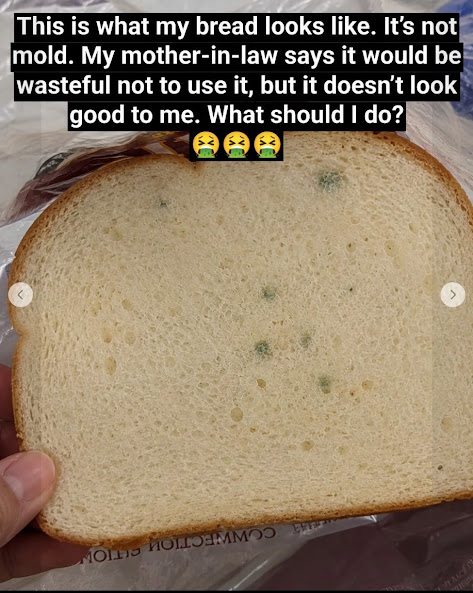
Finding a loaf of bread that has become hard and dry can make you wonder whether it is still safe to eat. The good news is that stale bread is usually not dangerous. As the original article explains, **“Bread going stale isn’t just about drying out”**—it happens through a natural process called starch retrogradation, which changes the bread’s texture.
The important thing is knowing the difference between stale bread and moldy bread. Dry, firm, or chewy bread can generally still be used if there are no signs of spoilage. However, if you see fuzzy green, white, or black mold, the entire loaf should be discarded. Because bread is porous, mold can spread below the surface even when you cannot see it. **“You cannot safely just cut the moldy part off.”**
Instead of throwing away plain stale bread, turn it into crunchy homemade croutons. Cut two cups of stale bread into cubes, toss them with avocado oil, garlic powder, salt, and dried herbs, then bake at 375°F (190°C) for 10–15 minutes, tossing halfway through. The result is a simple topping for salads, soups, or avocado toast.
A few simple habits can also reduce waste. Freeze bread if you will not eat it within a few days, preferably after slicing it so individual pieces are easy to use. Slightly stale bread can be refreshed in the oven, while storing bread in a bread box or paper bag at room temperature can help maintain its texture.
The most useful lesson is easy: **“If it’s just hard or dry, it’s a culinary asset waiting to be revived.”** But if bread is moldy or has an unusual musty or sour smell, throw it away. Understanding the difference helps reduce unnecessary waste while keeping food safety the priority.