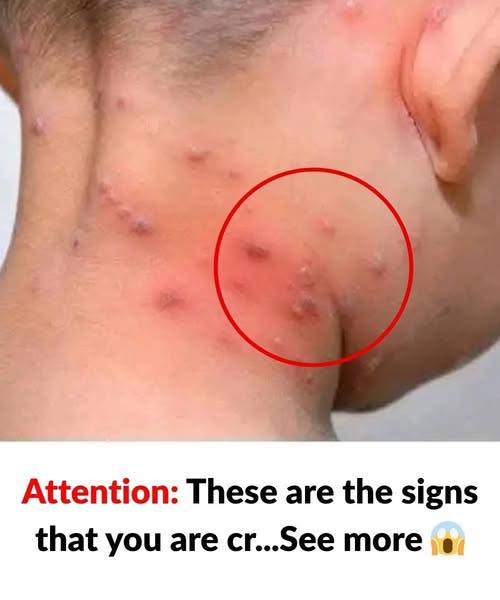
What Are the Main Types of Skin Rashes? Learn Their Causes and Symptoms
Although skin rashes can appear in many forms, they all have one thing in common: they cause inflammation and irritation. While most rashes aren’t life-threatening, they can be uncomfortable, embarrassing, and persistent for those who experience them.
Because there are different types of rashes, their causes vary — and so do their symptoms and treatments. Understanding the kind of rash you’re dealing with is the first step toward proper care and relief.
Top 5 Common Types of Skin Rashes
Skin rashes can be triggered by numerous factors, including heat, infections, allergies, medications, and immune system disorders. For a correct diagnosis and effective treatment, it’s always best to consult a dermatologist.
1. Atopic Dermatitis (Eczema)

One of the most common skin conditions, atopic dermatitis tends to flare up and fade throughout a person’s life. It typically causes:
- Intense itching
- Redness
- Blisters or dry patches
- Skin scaling or thickening in chronic cases
Although the exact cause is unknown, it’s more likely to occur in people with a family history of allergies, asthma, or other immune conditions. Environmental triggers and diet can also contribute.
2. Psoriasis
Psoriasis is a chronic autoimmune skin disorder that affects roughly 2% of the global population. It has a strong genetic component and results in an overactive immune response that speeds up skin cell turnover.
Typical symptoms include:
- Thick, red plaques covered in silvery-white scales
- Persistent itching
- Patches often appear on the scalp, trunk, elbows, and knees
Psoriasis can vary widely in severity and often requires long-term management.
3. Allergic Contact Dermatitis
This rash occurs when the skin comes into direct contact with an allergen. Common triggers include:
- Perfumes
- Hair dyes
- Cosmetics
- Costume jewelry (nickel allergy)
Symptoms usually appear only where the substance touched the skin and include:
- Redness and swelling
- Itching and burning
- Blisters that may ooze or scab
4. Pityriasis Versicolor
Caused by the fungus Malassezia spp., this condition affects skin pigmentation. It’s most common among adolescents and young adults, particularly women going through puberty.
Key features include:
- Light or dark patches on the skin
- Slight scaling
- Well-defined, discolored lesions
It often appears on the chest, back, neck, and upper arms.
5. Seborrheic Dermatitis
A very common inflammatory skin condition, seborrheic dermatitis tends to affect areas rich in oil glands, such as the scalp, face, and upper body.
While the exact cause isn’t fully understood, factors like stress, cold weather, obesity, and neurological disorders can increase risk.
Typical symptoms:
- Red, irritated skin
- Greasy yellow or white scales (especially on the scalp and eyebrows)
- Persistent dandruff and itching
Final Thoughts
Understanding the type of skin rash you’re experiencing is essential for finding relief. Since symptoms can overlap and causes may be complex, seeking medical advice is the best way to ensure an accurate diagnosis and proper treatment plan.