
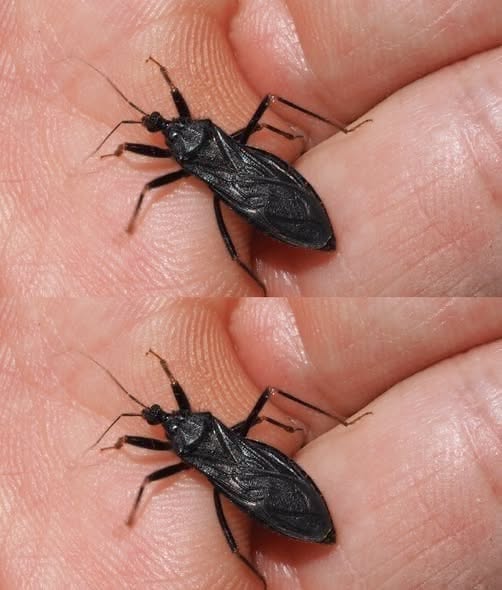
A hidden infection can threaten the heart years after an unnoticed encounter. As summer draws families outdoors, kissing bugs can lurk near familiar spaces, and some carry the parasite that causes Chagas disease. The danger is not simply the bite itself, making it crucial to understand how infection happens before you overlook a potentially important and easily missed warn…
Kissing bugs belong to the assassin bug family, but most assassin bugs do not transmit Chagas disease. Infection typically occurs when an infected kissing bug’s feces enter a bite wound, another break in the skin, or the eyes or mouth—not through the bite itself. Early symptoms may include fever, fatigue, headache, or a rash, although many people have no symptoms. Without treatment, some infections eventually cause serious heart or digestive complications.
Prevention starts with reducing hiding places around the home. Clear yard debris, keep woodpiles away from the house, repair window screens, and seal gaps around doors and walls. A suspected bite does not automatically mean infection, but possible kissing bug exposure deserves medical advice, particularly if symptoms develop. If you find a suspicious insect, avoid handling or crushing it with bare hands; photograph it for identification. Early diagnosis and treatment can help protect long-term health without turning summer into a season of fear.