
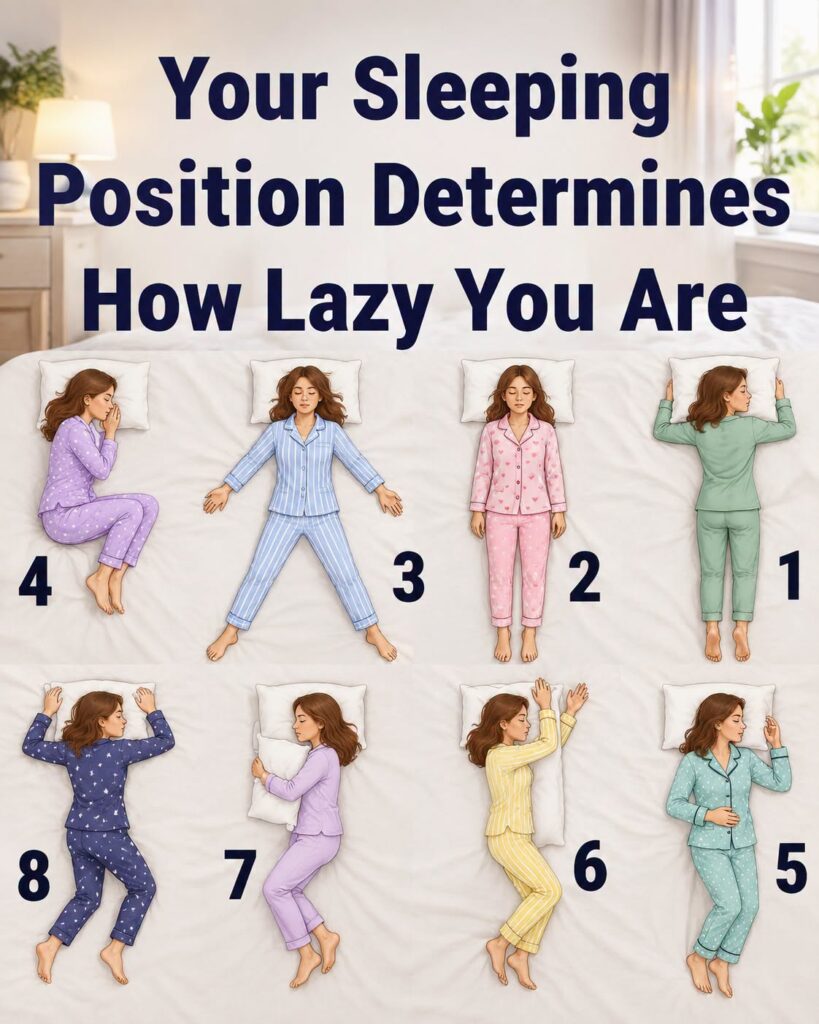
Your sleeping position is not the personality confession you were promised. Those comforting labels about confidence or sensitivity hide a more practical story about what happens when you close your eyes. Behind that familiar nightly ritual may be habit, pressure, and breathing troubles, but the question worth asking is whether your body is truly finding rest, support, and comf…
There’s no reliable evidence that sleeping posture reveals whether you’re shy, confident, or adventurous. Your preferred position is more likely shaped by comfort, bedding, physical needs, and routine—and it can shift throughout the night. Side sleeping may ease snoring for some people, while a pillow between the knees can reduce lower back strain. Back sleeping can offer comfortable alignment with appropriate support, but may worsen obstructive sleep apnea. Stomach sleeping can put extra strain on the neck.
The reassuring part is that you don’t need to change positions simply because a quiz tells you to. Start with how you feel each morning and whether your pillow and mattress support you comfortably. Persistent pain, nighttime heartburn, loud snoring, or witnessed breathing pauses deserve a healthcare professional’s attention. A different posture is not a substitute for evaluating possible sleep apnea. What matters isn’t a personality label—it’s waking up comfortable and rested.