
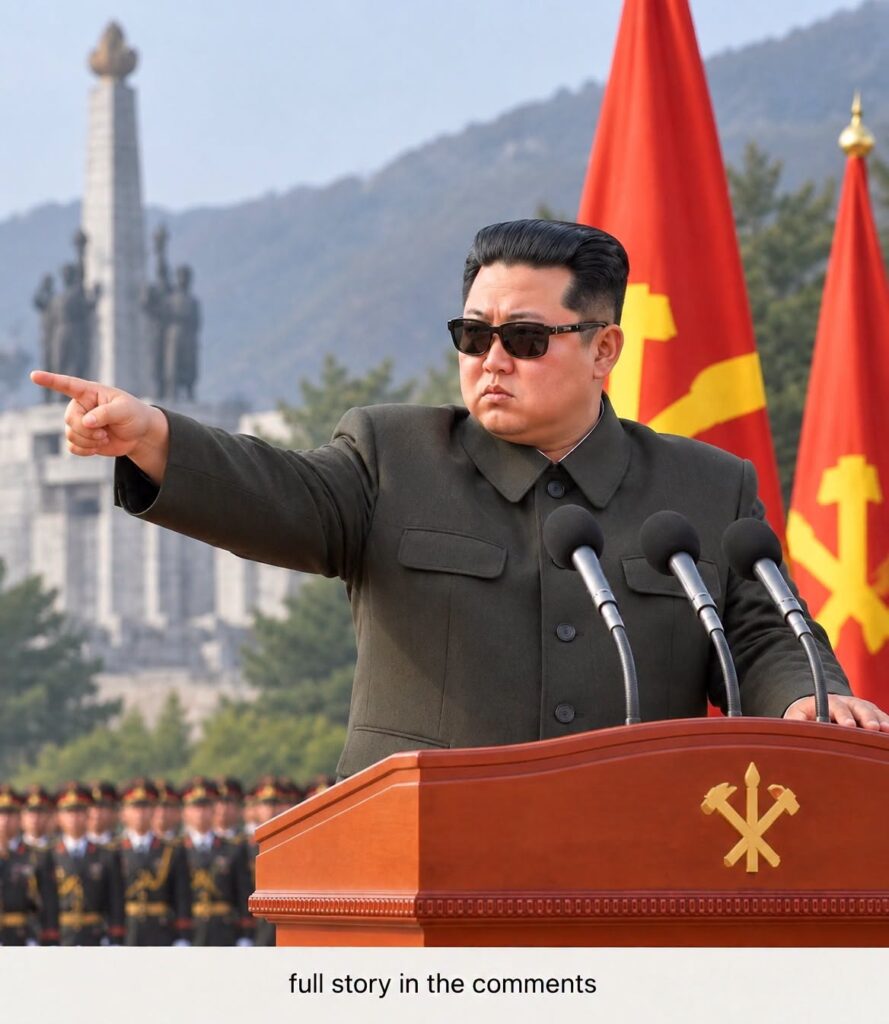
The internet exploded in fear. A single headline claimed Korea had ordered an attack, and within hours, panic pulsed across timelines and group chats. People braced for war, argued, cried, refreshed news feeds in dread. But as the dust settled, a very different truth emerged—one that exposes how easily we are ma…
The alarming claim that Korea had issued an order to attack another country turned out to be entirely fabricated, but not before it ignited a storm of fear. Shared by unverified accounts and click-driven websites, the story spread faster than any official correction could. Many never paused to ask where the “news” came from, or why no credible outlet was confirming it.
Official government channels and established news organizations later made it clear: no attack order existed, and South Korea remained focused on diplomacy, stability, and public safety. The real lesson is not just that the headline was false, but how ready the digital world was to believe it. In an age where algorithms reward outrage and speed, careful verification becomes an act of collective protection—against panic, against manipulation, and against the quiet erosion of public trust.