
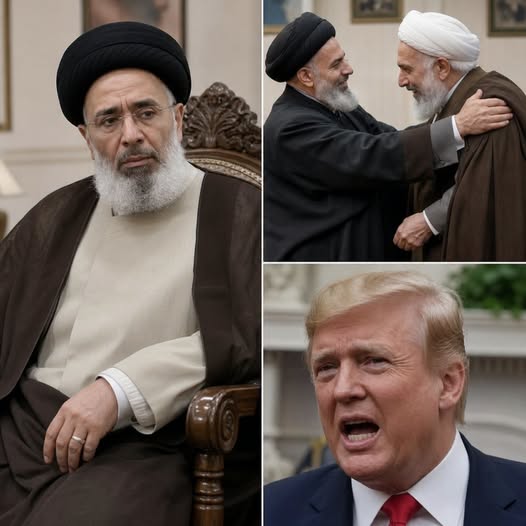
The first explosions tore through the night and the illusion of control vanished. In minutes, a regional crisis became something far more terrifying. Jets screamed over Iran, screens lit up with fire and fear, and suddenly no one knew where this would end. Families froze. Markets crashed. Leaders whispered of red lines and retal…
As the dust settled over Tehran’s shattered compounds, the world entered a dangerous waiting game. Military analysts parsed satellite images while governments weighed the cost of pushing further—or pulling back. In Washington and Jerusalem, officials insisted the strikes were preemptive, defensive, necessary. In Iran, the language hardened into vows of vengeance, each statement crafted for both domestic pride and international pressure.
Beyond the rhetoric, the human stakes grew heavier by the hour. Parents in Tehran, Tel Aviv, and far beyond rehearsed shelter drills and escape plans. Traders watched oil prices spike with every rumor. Diplomats worked phones deep into the night, trying to stitch together a fragile pause before miscalculation turned into catastrophe. Whether Operation Epic Fury becomes a brief, brutal episode or the spark of a wider war now depends on choices made in rooms the public will never see.