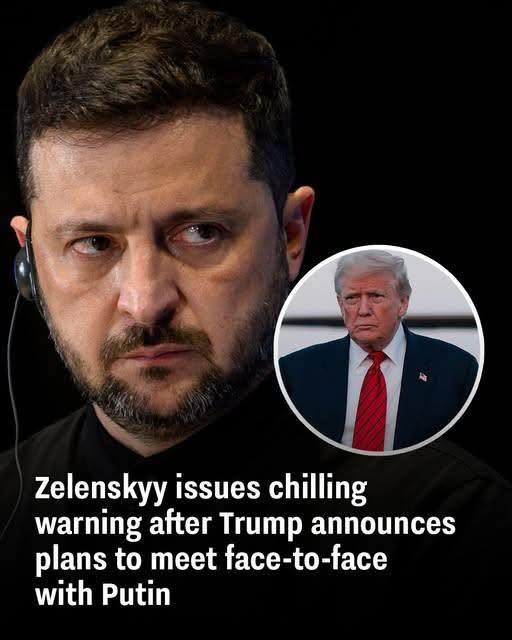
The international spotlight turns to Alaska this August as former U.S. President Donald Trump, now reinstated as the 47th President, prepares for a historic and highly contentious meeting with Russian President Vladimir Putin. Scheduled for Friday, August 15, 2025, this will be their first face-to-face encounter since 2019 — and the geopolitical stakes could not be higher.
Trump has long boasted that he could end the war in Ukraine within “24 hours” of returning to office. Yet, after nearly eight months back in power, the conflict remains brutally entrenched, with little sign of Russia backing down. Still, the Republican leader claims he is on the cusp of a diplomatic breakthrough.
Announcing the summit on Truth Social, Trump declared,
“The highly anticipated meeting between myself, as President of the United States of America, and President Vladimir Putin, of Russia, will take place next Friday, August 15, 2025, in the Great State of Alaska. Further details to follow. Thank you for your attention to this matter!”
While official White House statements remain scarce, leaks from diplomatic insiders suggest the discussions will revolve around a deeply controversial U.S.-backed peace proposal — one that could see Ukraine cede significant territory to Russia in exchange for a ceasefire.
The Contentious Peace Proposal
According to CBS News sources, the deal on the table would require Ukraine to relinquish control of parts of the Donbas, Kherson, and Zaporizhzhia regions, while Russia would maintain its annexation of Crimea since 2014.
Details remain murky and reports conflict. One variant indicates Russia might relinquish partial control over some occupied areas of Kherson and Zaporizhzhia in exchange for international recognition of its claims elsewhere.
For the U.S. foreign policy establishment shaped under Biden, such territorial concessions are an anathema. Yet Trump has openly entertained “swapping” land as a pragmatic — if divisive — route to ending the bloodshed.
Zelenskyy’s Firm Rejection
Ukrainian President Volodymyr Zelenskyy swiftly dismissed any plan involving territorial loss as a nonstarter. In a resolute Telegram statement on August 9, he declared:
“The answer to Ukraine’s territorial question is already in the constitution of Ukraine. No one will and no one can deviate from it. Ukrainians will not give their land to the occupier. Any solutions that are without Ukraine are at the same time solutions against peace. They will not bring anything. These are dead solutions — they will never work.”
Zelenskyy’s stance highlights rising tensions between Kyiv and Washington. While Trump pushes for rapid peace, Ukraine fears being forced into a deal that rewards Russian aggression and undermines its sovereignty.
Trump’s Deadline and Diplomatic Gamble
The Alaska summit arrives just days after Trump’s self-imposed deadline for Russian concessions expired on August 8. He had warned that failure to make progress would trigger harsh new sanctions, including tariffs on nations buying Russian oil.
Whether those threats remain in play, or the summit signals a shift toward negotiation over punishment, remains uncertain. Analysts note Trump’s penchant for personal diplomacy, betting on direct talks where conventional diplomacy has faltered.
High Stakes, High Risks
Critics warn that Trump’s openness to territorial concessions hands Putin a diplomatic victory, legitimizing Moscow’s battlefield gains. European leaders, wary of Trump’s approach, face pressure from Washington to back the proposal — a politically risky move in capitals across the continent.
For Putin, the Alaska meeting offers a chance to break out of his international isolation and reassert influence. For Trump, it’s a gamble: broker a landmark peace deal and cement his legacy, or face backlash for sacrificing Ukrainian sovereignty for political gain.
A World Holding Its Breath
As the August 15 summit looms, consensus is clear: its outcome will reshape the future of European security and the Russia-Ukraine conflict.
When Trump and Putin last met in 2019, the world looked vastly different. Now, with tens of thousands dead, millions displaced, and NATO’s unity tested, the consequences of their decisions could be profound.
For Zelenskyy, the message is unyielding — Ukraine will not barter its land for peace. For Trump, the question is whether any peace — even one forged through compromise — beats continued war.
And for the global community, Alaska may soon become the stage where the fate of the Ukraine war is either finally decided — or pushed into an even more perilous chapter.