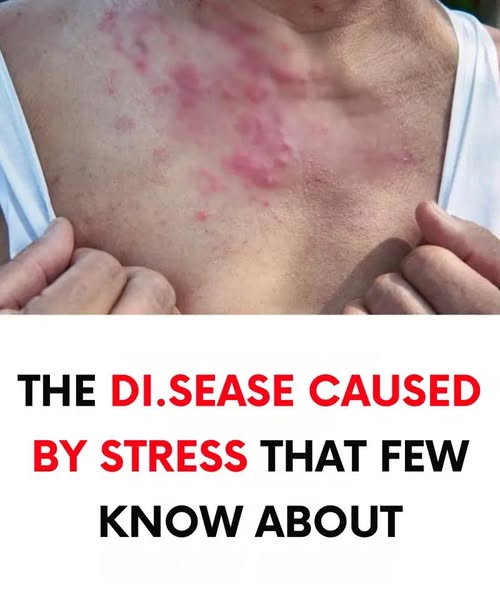
If you had chickenpox as a kid, you might believe you’re safe for life. But here’s the catch — the virus behind chickenpox doesn’t completely leave your body. Instead, it can lie quietly dormant for years, only to return later as a painful condition called shingles.
Unlike the mild, itchy rash you remember from childhood, shingles often brings intense pain and can lead to serious complications, especially if it spreads to your face or eyes.
What Exactly Is Shingles?
Shingles, or herpes zoster, is a viral infection caused by the reactivation of the varicella-zoster virus — the very same virus that causes chickenpox.
After you recover from chickenpox, the virus hides in your nerve cells, inactive but never gone. Years or even decades later, it can suddenly “wake up” and trigger shingles.
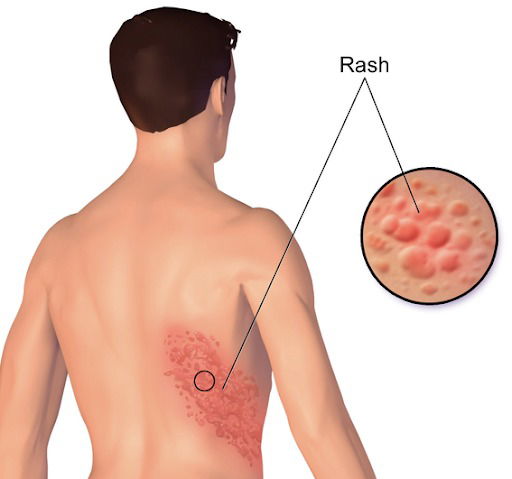
Shingles usually strikes just one side of your body, showing up as a painful, blistering rash — often in a band-like pattern across your torso, neck, or face.
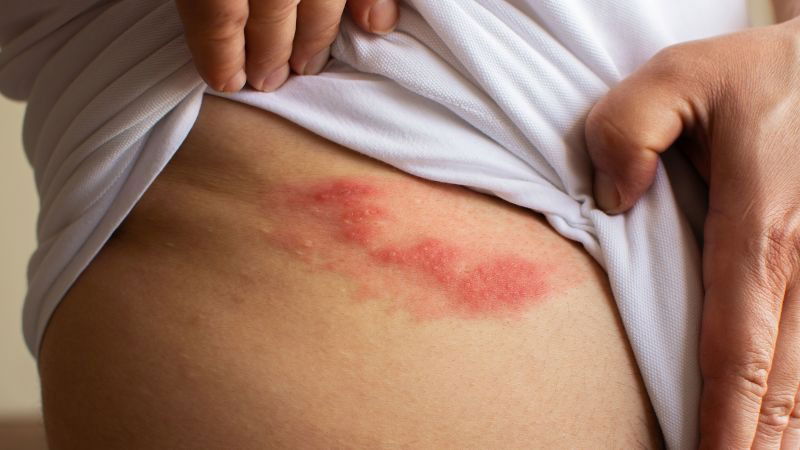
Most people bounce back within two to three weeks, but for many—especially older adults—the pain can be severe and linger long after the rash disappears.
How to Spot Shingles Early
While the hallmark of shingles is the blistering rash, symptoms often start before the rash even appears. Watch out for signs like:
- A red, blistered rash—usually on just one side of the body
- Burning, tingling, or sharp shooting pain
- Itching and irritation
- Fever and chills
- Headaches
- Fatigue or a general feeling of being unwell
- Muscle weakness
For some, nerve pain can begin days before the rash shows up. And in certain cases, that nerve pain sticks around long after the rash is gone—a condition called postherpetic neuralgia (PHN) — which can last for weeks, months, or even longer.
3. When Shingles Strikes the Face
Though less common, shingles can affect the face—and when it does, it can bring serious complications. It typically appears on just one side.
If the outbreak involves the ear, it may cause hearing loss, dizziness, and even temporary facial paralysis, a condition known as Ramsay Hunt syndrome.
Shingles on the scalp or inside the mouth can make everyday activities painful—like eating or brushing your hair—and in severe cases, it can even lead to hair loss.
4. Shingles in the Eye: A Medical Emergency
When shingles involves the eye, it’s called herpes zoster ophthalmicus, and it requires immediate medical attention.
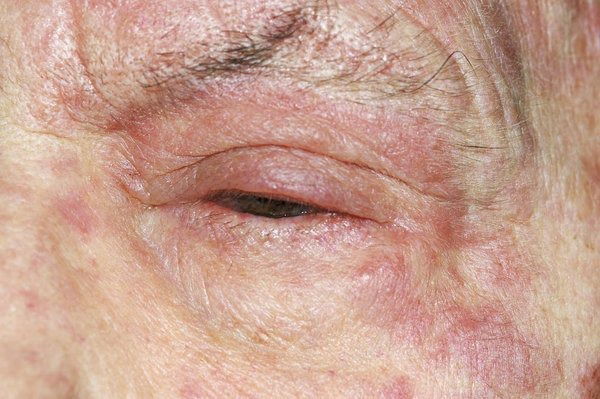
The rash may show up on the eyelid, forehead, or tip of the nose — often a warning sign the eye itself could be infected. Watch for:
- Red, watery eyes
- Swelling around the eye
- Sensitivity to light
- Blurred or reduced vision
Without prompt treatment, shingles in the eye can cause permanent vision loss or even blindness.
5. What Triggers Shingles?
After chickenpox, the virus hides quietly in your nervous system. Certain triggers can reactivate it, including:
- Aging, which naturally weakens the immune system
- High levels of stress
- Illnesses or physical injury
- Medications that suppress immunity, such as those used for cancer or autoimmune diseases
6. Can Shingles Be Cured?
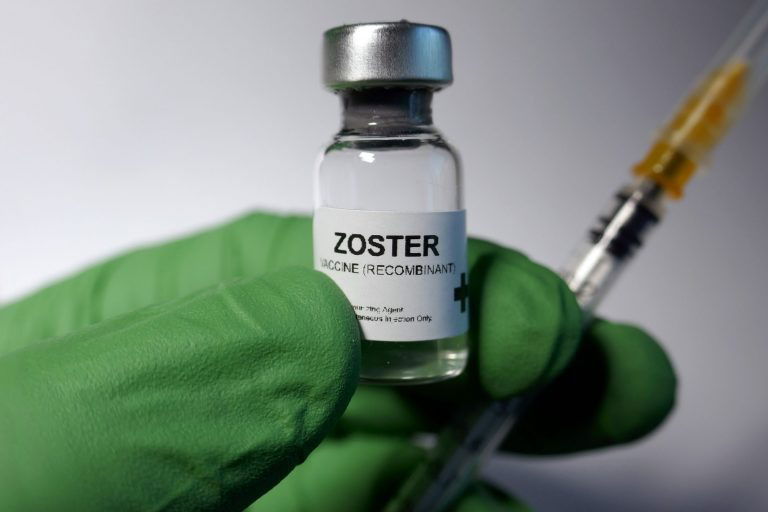
While there’s no cure that completely eliminates shingles, early treatment can dramatically ease symptoms and speed healing. Doctors often recommend:
- Antiviral medications like acyclovir or valacyclovir to shorten the illness
- Pain relief medications, both prescription and over-the-counter
- Anti-inflammatory drugs
- Soothing topical ointments or gels, such as aluminum chloride
To help prevent spreading the virus:
- Keep the rash covered
- Avoid touching or scratching the blisters
- Stay away from pregnant women, newborns, and people with weakened immune systems while the rash is active