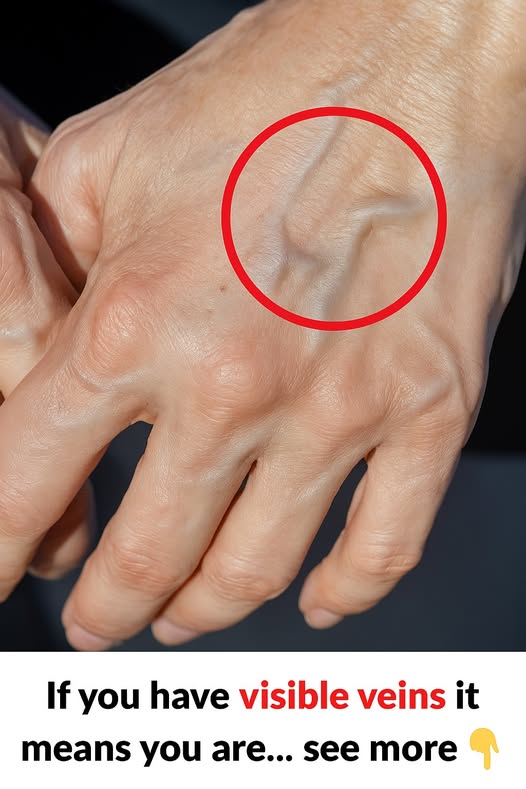
Bulging veins aren’t always a cause for alarm, but sometimes they can signal an underlying health issue. Knowing why your veins become more prominent is key to spotting potential problems early and taking care of your well-being.
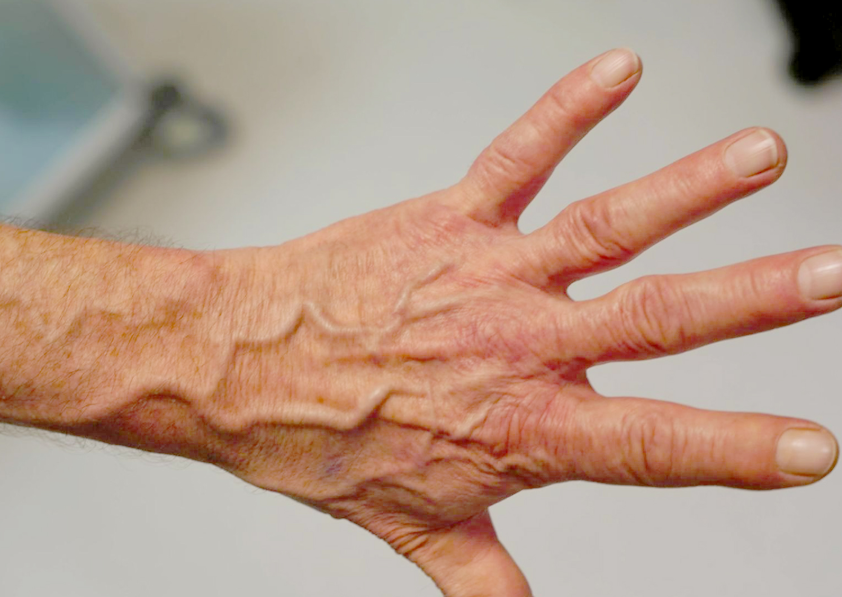
Why Are Your Veins Bulging? Here’s What You Need to Know
Bulging veins can be harmless, but sometimes they point to deeper health issues. Understanding the common causes behind those suddenly visible veins is key to protecting your health.
Several factors can make your veins more noticeable, including intense exercise, aging, hot weather, tight clothing, genetics, sun exposure, and excess weight. While bulging veins alone might not be a problem, if you notice discoloration or pain, it’s wise to consult a healthcare professional.
Veins tend to bulge when blood pools in weakened or damaged vessels instead of flowing smoothly back to your heart. This often leads to varicose veins—swollen, twisted veins most commonly found on the legs, but sometimes on the arms too.
The Cleveland Clinic highlights that varicose veins are frequently triggered by hormonal changes (especially during pregnancy), obesity, genetics, smoking, or long periods of standing or sitting.
Treatment options vary depending on severity and may include compression stockings, leg elevation, injection therapy, or vein surgery.
If left untreated, varicose veins can cause complications like venous ulcers—slow-healing wounds near the ankles due to poor circulation. More serious risks include blood clots that may lead to deep vein thrombosis, superficial thrombophlebitis, or even pulmonary embolism.
While you can’t always prevent varicose veins, you can reduce your risk by staying active, maintaining a healthy weight, quitting smoking, and avoiding tight clothing, especially around the waist.