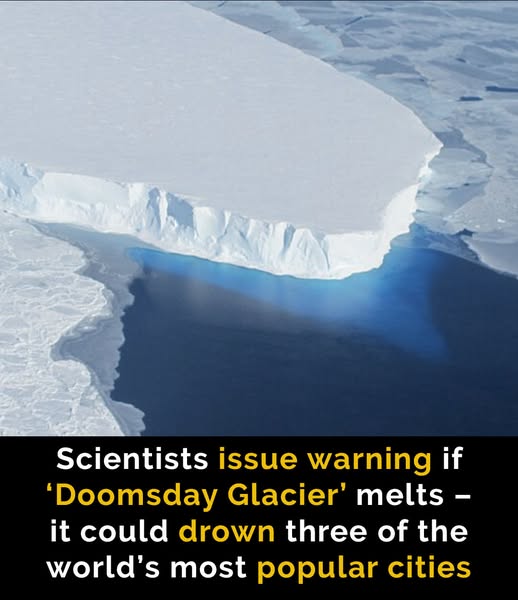
“Doomsday Glacier” Poses Dire Threat to Flood World’s Greatest Cities
Scientists are sounding the alarm: Antarctica’s Thwaites Glacier—famously dubbed the “Doomsday Glacier”—is inching closer to collapse. New research reveals this catastrophic event could unleash massive flooding that would engulf some of the globe’s most iconic urban centers.
Climate Change Ignites a Rising Tide
As climate change accelerates, rising sea levels, soaring temperatures, and extreme storms are already reshaping our world. But the potential fall of Thwaites Glacier could amplify these effects exponentially—sending sea levels surging beyond anything previously predicted.
The Titanic Power of Thwaites Glacier
Nestled in West Antarctica, Thwaites holds a staggering volume of ice capable of raising global sea levels by over two feet on its own. If it crumbles completely, it could trigger a devastating domino effect, melting much of the Antarctic ice sheet and flooding coastal cities worldwide with up to 10 feet of seawater.
Cities on the Frontline
London, New York, Bangkok—and millions of people who call these bustling metropolises home—could soon face relentless, devastating floods. The clock is ticking, and the consequences of inaction could reshape our planet’s future forever.
Hidden Lakes Beneath Thwaites Glacier Speed Up Ice Loss
Since 2018, the International Thwaites Glacier Collaboration (ITGC) has been closely studying this colossal ice giant. Their latest discovery? A network of hidden subglacial lakes lurking beneath the surface—acting like secret accelerators, driving ice melt faster than scientists ever imagined.
In March 2025, Professor Noel Gourmelen led a groundbreaking study that captured these lakes draining rapidly, supercharging the glacier’s retreat into the ocean. “The sheer scale of this drainage event gave us a rare chance to measure its true impact,” Gourmelen explained. He added, “That moment turbo-charged Thwaites’ ocean-driven melt like never before.”
Rising Temperatures Fuel Growing Alarm
2025 brought unusually high temperatures to the Southern Hemisphere, adding urgency to an already dire situation. Dr. Alastair Graham from the University of South Florida, also part of the ITGC, warned, “If Thwaites Glacier collapses, sea levels could jump by about 65 centimeters (25 inches).” He cautioned, “This year is unlike any other — the glacier won’t bounce back this season. The game has fundamentally changed.”
The Clock Is Ticking
While a full collapse might still lie decades or even centuries ahead, the new data warns the tipping point could arrive sooner than anyone predicted. When it does, coastlines will be reshaped, economies devastated, and millions of lives forever altered.