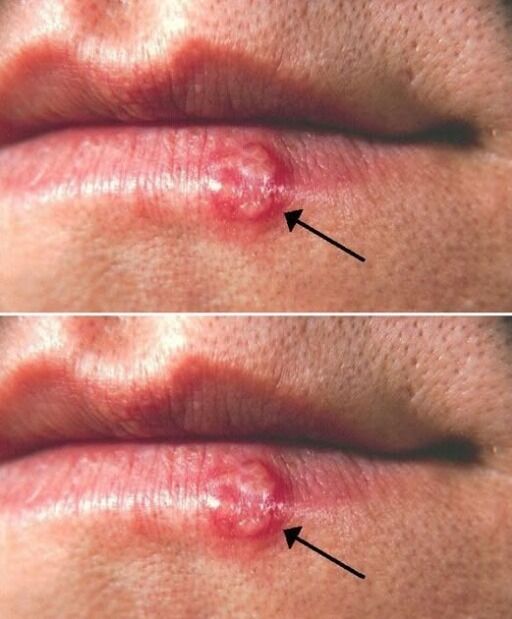
Cold Sores: What You Need to Know About This Common Virus
Ever felt a tingle on your lip that turned into a painful blister? You’re not alone. Cold sores—also called fever blisters—are caused by the herpes simplex virus type 1 (HSV-1), and nearly 67% of people under age 50 carry the virus, often without even knowing it.
Once you have HSV-1, it stays in your body for life, hiding in your nerve cells and reactivating from time to time. Triggers like stress, a cold, sun exposure, or hormonal shifts can bring on a flare-up. The first sign is usually a tingling or itching sensation, followed by clusters of fluid-filled blisters that typically heal within 7 to 10 days.
While there’s no cure, there are plenty of ways to manage symptoms and speed healing. Prescription antivirals like acyclovir or valacyclovir can reduce outbreak severity and frequency. Over-the-counter options like docosanol (Abreva), as well as natural remedies like aloe vera and cold compresses, may offer relief.
To help prevent flare-ups:
- Manage stress
- Use lip balm with SPF
- Avoid kissing or sharing utensils, cups, or lip products during outbreaks
- Remember: HSV-1 can be contagious even when no blisters are visible.
If your cold sores are frequent, severe, or slow to heal, it’s a good idea to consult a healthcare provider. With the right approach, cold sores don’t have to get in your way.