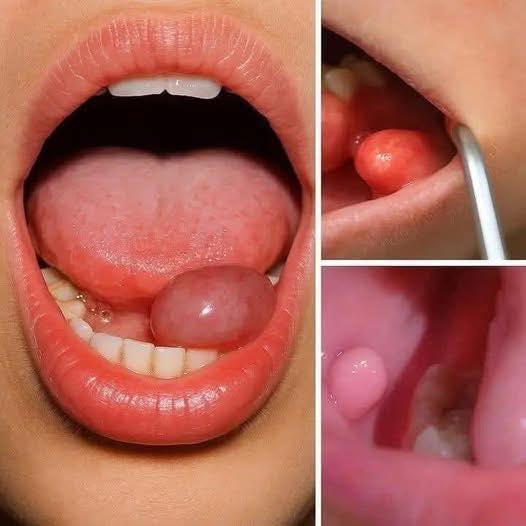
The First Signs of Oral Cancer: What You Should Never Ignore
Oral cancer—also known as mouth cancer—can quietly develop in areas like the lips, tongue, cheeks, gums, and even the roof or floor of your mouth. Often, its early symptoms are subtle and painless, which makes them easy to miss.
But here’s the truth: the sooner it’s found, the better the chances of successful treatment. According to the American Cancer Society, early detection can literally save lives.
This guide will walk you through the most important early warning signs of oral cancer, based on information from trusted medical organizations, so you know when to take action.
🚨 1. Sores That Won’t Heal
A mouth sore that lingers for more than two weeks—especially one that doesn’t seem to be healing—could be an early sign of oral cancer. These can appear on the lips, tongue, gums, or inside the cheeks. They may not hurt, but that doesn’t mean they’re harmless.
What to do: If a sore in your mouth sticks around for more than 14 days, get it checked by a dentist or doctor. Don’t wait.
🟥 2. White or Red Patches
Discolored patches in your mouth can indicate abnormal cell changes:
- Leukoplakia – White patches that don’t rub off.
- Erythroplakia – Bright red, velvety areas (often more concerning).
- Mixed lesions – A blend of red and white patches.
What to do: Any patch that doesn’t go away, changes shape, or grows in size deserves a professional look.
🩸 3. Unexplained Bleeding
Bleeding in the mouth that isn’t caused by brushing or an obvious injury could be a red flag. While bleeding gums can be due to gum disease, persistent or unexplained bleeding may be something more.
What to do: If it keeps happening, see a healthcare provider to rule out serious causes.
💢 4. Lumps, Bumps, or Rough Spots
A new lump, a thickened area, or a patch that feels rough or raised in your mouth is worth investigating. These changes can occur on the tongue, the inside of your cheeks, under your tongue, or near your throat.
What to do: If you feel something unusual while brushing or eating, don’t ignore it. Book an exam.
🧊 5. Numbness or Tingling
Loss of feeling, tingling, or even mild pain in your mouth, lips, or chin could signal that a lesion is affecting your nerves.
What to do: Pay attention to sensations. If numbness or pain sticks around, it’s time to get it checked.
🥄 6. Trouble Chewing or Swallowing
Struggling to swallow, chew, or move your jaw or tongue might indicate a problem in your throat or deeper in the oral cavity.
What to do: If food feels stuck or you experience discomfort while eating, consult a healthcare provider—it’s not something to brush off.
💨 7. Bad Breath That Won’t Go Away
Chronic bad breath that doesn’t improve with brushing or mouthwash might be caused by tissue changes or hidden infections.
What to do: If the odor persists despite good hygiene, mention it to your dentist. It could be a symptom of something more serious.
🎯 Who’s Most at Risk?
Knowing your risk can help you stay vigilant. According to the CDC and American Cancer Society, factors that increase your chances of developing oral cancer include:
- Tobacco use (smoking or chewing)
- Heavy alcohol consumption
- HPV infection
- Excessive sun exposure (especially for lip cancer)
- Poor nutrition
- Age over 40
If any of these apply to you, regular screenings are even more important.
🦷 Why Dental Checkups Matter
Dentists are trained to spot early signs of oral cancer during routine exams—often before you even notice anything wrong.
➡️ Tip: Visit your dentist at least twice a year. Those checkups could make all the difference.
🩺 When to See a Doctor
If you have any of these symptoms for more than two weeks, seek a medical or dental evaluation:
- Sores or patches in the mouth
- Lumps or growths
- Unexplained pain, numbness, or bleeding
- Difficulty swallowing or chewing
- Persistent bad breath
Start with your dentist or primary care provider—they can refer you to a specialist if needed.
✅ The Bottom Line: Stay Alert, Stay Ahead
Oral cancer is most treatable when caught early. Unfortunately, many early symptoms are painless or easy to dismiss. But being informed—and taking small changes seriously—can lead to life-saving results.
Listen to your body. Trust your instincts. And don’t delay care.
Your mouth may be trying to tell you something important.