
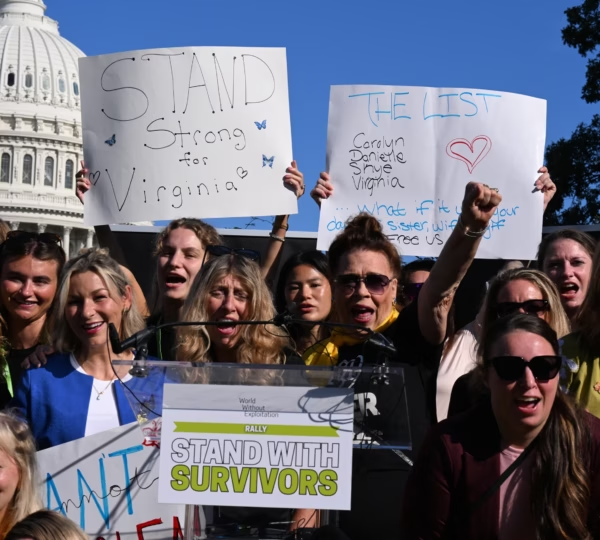
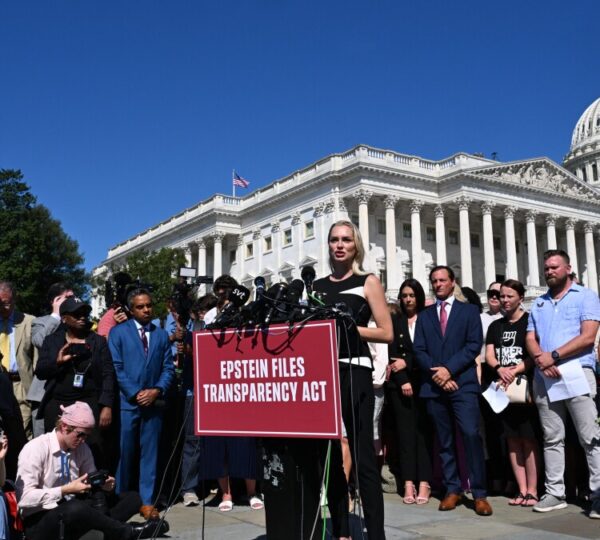
In January 2025, six women who say they were trafficked, abused, or exploited by Jeffrey Epstein or Ghislaine Maxwell gathered publicly in Washington, D.C.
Delivering one of the strongest, most unified demands for transparency since the scandal first became national news.
Their message was clear and unwavering: the U.S. government must release additional sealed federal files related to Epstein’s trafficking network and ensure that every person who enabled, ignored, or assisted his crimes faces real accountability.
The panel event — coordinated partly by NBC News and hosted at a public policy venue in downtown Washington — aimed to elevate the voices of survivors who, for decades, fought to be heard.
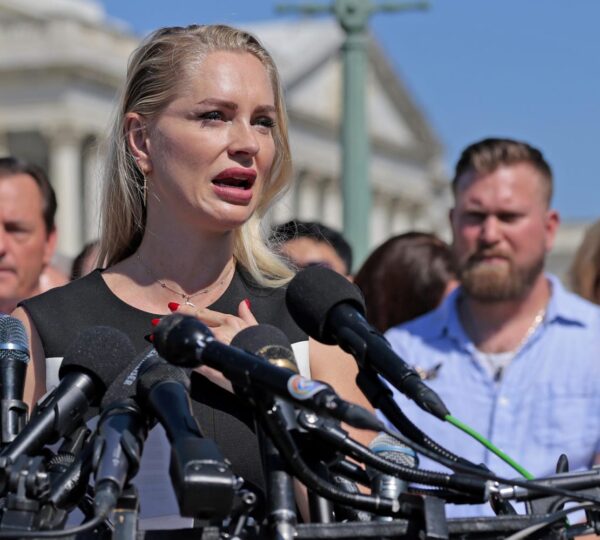
The atmosphere was both emotional and resolute, reflecting years of trauma, legal battles, and systemic failures that allowed Epstein’s network to flourish.
But the gathering also produced an unexpected moment that reshaped the media conversation.
When asked about unverified allegations attempting to connect former President Donald Trump to Epstein’s crimes, the survivors unanimously declined to endorse or repeat rumors not supported by established evidence.
Their refusal disrupted certain narratives circulating online and in some media circles, emphasizing instead the importance of facts, documentation, and credibility.
A Unified Panel of Survivors and a Tribute to Virginia Giuffre
The panel brought together six women:
- Jess Michaels
- Wendy Avis
- Marijke Chartouni
- Jena-Lisa Jones
- Lisa Phillips
- Liz Stein
In addition, relatives of Virginia Roberts Giuffre — one of Epstein’s most well-known accusers — were present and spoke on her behalf.
Giuffre’s death by suicide in 2024 left a deep scar on the community of survivors.
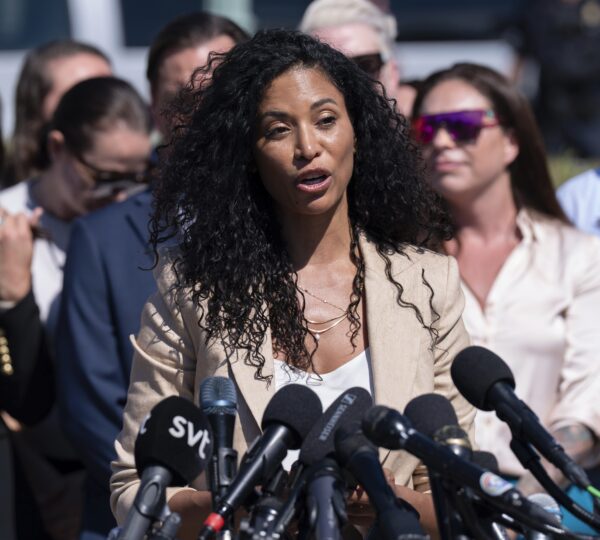
Many who attended the event described her as a central figure whose courage helped break open a trafficking network that had remained hidden for decades.
Giuffre’s family members spoke with visible emotion, recalling her years of advocacy, her cooperation with law enforcement, her international legal efforts, and the intense scrutiny she endured.
Her relatives said that although she is no longer alive, her mission continues through the voices of the women she inspired.
Testimonies of Abuse and Systemic Failure
Each woman on the panel shared painful memories, but they also highlighted the broader structural problems that allowed Epstein to evade justice for so long:
- law enforcement hesitations
- failed investigations
- lenient plea deals
- institutional blind spots
- social services unable to intervene
- federal agencies failing to connect warning signs
Several panelists described how Epstein exploited their vulnerabilities, using promises of financial security, career opportunities, or emotional support.
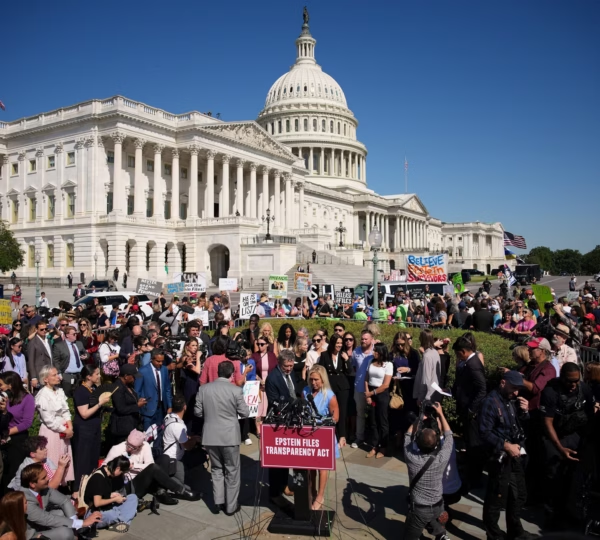
Others explained how he targeted younger victims through a sophisticated network of recruiters, social connections, and assistants — a system that operated with disturbing efficiency.
“Epstein was a master manipulator”
One of the most powerful statements came from Jess Michaels, who says Epstein raped her in 1991 when she was 22.
Her voice was steady but filled with years of accumulated pain:
“Epstein was a master manipulator. His entire operation was built on psychological control. None of us — not one — stood a chance against the tactics he used.
Everything he did was calculated and rehearsed. It wasn’t random. It was a system he engineered over years.”
Her comments reflected a shared sentiment: Epstein’s crimes were not the actions of a single individual acting in isolation, but part of a deliberate, highly organized structure that relied on money, influence, and the silence of those in positions of authority.
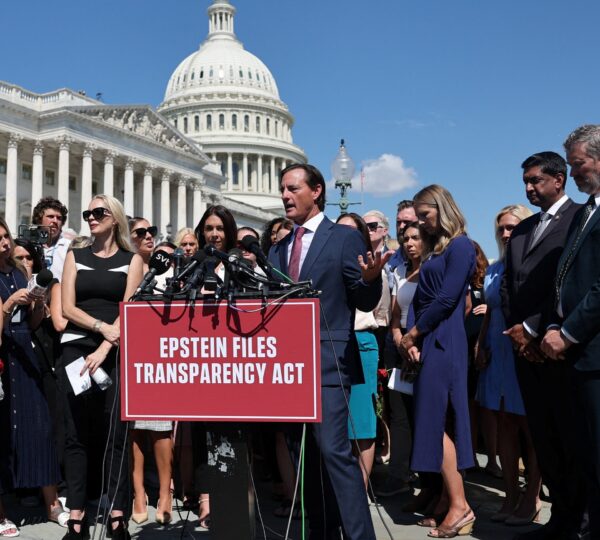
Many of the survivors said that what hurt most was not only the abuse itself but the way institutions ignored warning signs, dismissed complaints, or failed to investigate allegations that should have halted Epstein’s operations decades earlier.
Demanding Transparency: The Push for Federal File Releases
A major focus of the event was the demand that the U.S. government unseal remaining documents connected to Epstein’s case. These records include:
- Correspondence
- Witness statements
- Travel logs
- Financial records
- Court filings
- Investigation summaries
While some documents were released in 2024 and early 2025, many remain sealed for legal, privacy, or procedural reasons.
The survivors argued that transparency is essential for three reasons:
1. To identify any additional individuals involved.
Survivors emphasized that accountability should extend beyond Epstein and Maxwell to include anyone who knowingly facilitated or benefited from the abuse.
2. To understand how institutions failed.
They want investigators to examine why warnings were ignored, why cases went unprosecuted, and why certain influential figures appeared shielded from scrutiny.
3. To prevent future failures.
By exposing systemic flaws, they hope to strengthen protections for vulnerable individuals and create more robust reporting systems.
One speaker noted that partial document releases have already confirmed details long speculated about, and that full disclosure would help provide closure and prevent misinformation.
Rejecting Rumors and Keeping the Focus on Evidence
One of the most widely discussed moments occurred when the panel was asked about alleged connections between Epstein and Donald Trump — claims circulating online without confirmed legal backing.
The survivors offered a unified response:
- Their mission is not political.
- They will only address verified information.
- They will not contribute to misinformation.
- They want complete federal transparency, regardless of who appears in the files.
By refusing to speculate or amplify unconfirmed claims, the women shifted the conversation back to evidence-based accountability.
Observers noted that this stance added to their credibility and demonstrated their commitment to justice rather than political narratives.
Honoring Virginia Giuffre’s Legacy
Throughout the event, speakers repeatedly mentioned the lasting impact of Virginia Giuffre’s work. Her testimony was crucial in:
- bringing international attention to Epstein’s trafficking network
- supporting legal cases in the U.S. and abroad
- motivating other survivors to come forward
- pressuring institutions to reevaluate their role
Her family described her as extraordinarily resilient, even in the face of overwhelming legal and emotional pressure.
They said her passing underscores the long-term toll such cases take on survivors and reinforces the need for mental health support and survivor-centered resources.
A Potential Turning Point in the Epstein Investigation
Legal analysts observing the event noted several important outcomes:
1. Survivors reclaimed control of the narrative.
By focusing on evidence rather than speculation, they re-centered the conversation around confirmed wrongdoing.
2. Public pressure on federal agencies increased.
Calls for unsealing files, releasing investigative material, and reviewing past decisions have intensified.
3. The event highlighted institutional weaknesses.
Panel speakers emphasized how inconsistencies in federal oversight, flawed plea deals, and inadequate monitoring allowed Epstein to evade justice for decades.
4. Survivors showed continued determination.
Despite Epstein’s death and Maxwell’s conviction, the women made clear that the case is not closed, and many unanswered questions remain.
5. The conversation shifted from “what happened” to “how it was allowed.”
This reframing is crucial to identifying remaining actors who may still face legal exposure.
Conclusion
The Washington, D.C. panel was more than a public event — it was a powerful reminder that Epstein’s crimes were part of a larger system that failed to protect vulnerable individuals.
By demanding full transparency, maintaining factual integrity, and honoring the legacy of Virginia Giuffre, the survivors established themselves as central figures in the ongoing pursuit of accountability.
Their voices suggest a pivotal shift in the national discussion:
from focusing solely on Epstein himself to confronting the broader network, structures, and institutional decisions that allowed his crimes to persist.