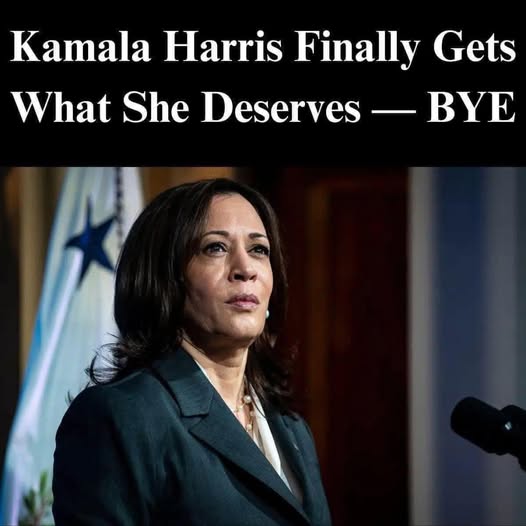
Kamala Harris’ Political Future: A Complicated Path Forward
A recent survey from Politico and UC Berkeley’s Citrin Center reveals a nuanced snapshot of Kamala Harris’ political prospects. When asked about her potential candidacy for Governor of California, following Gavin Newsom’s term limit, just 22% of respondents expressed genuine enthusiasm. A larger 36% felt indifferent, while others responded with frustration, reflecting a mix of hope and hesitation.
This survey was conducted among a highly influential group—California’s political elite, including state and federal lawmakers, policy staffers, and avid political news readers. While their views may not mirror those of the broader public, they offer a rare glimpse into the inner workings of California’s political machine.
Among registered voters, particularly Democrats, Harris finds more favorable ground. Around 41% said they would be “most excited” about her candidacy, with nearly a third expressing their potential response as “joyful.” Support grows even stronger among Black and Latino voters, groups that have historically backed Harris. But there’s an underlying current of caution. While her base remains loyal, many Latino and Asian voters voiced concerns, with words like “hopeless” and “irritated” cropping up in their feedback.
Political scientist Jack Citrin, a key figure in the survey, wasn’t surprised by the mixed response. “These aren’t people given to euphoria,” he noted. Harris is still grappling with the fallout from her 2024 presidential loss—a defining moment that continues to shape her public image.
Despite that setback, Harris has remained resolute. At a recent leadership event for Black women in California, she made it clear: “I’m not going anywhere.” Her impassioned speech, though brief, was met with enthusiastic applause, a clear sign that her message still resonates with many.
Her words, though, hinted at more than just political survival—they suggested preparation. Harris, who served as California’s senator before joining the Biden administration, knows the state like few others. While she hasn’t formally declared her candidacy for governor, insiders say an announcement could come by summer’s end.
If she does decide to run, early polling positions Harris as the front-runner for the Democratic nomination. A February survey by Emerson College, Inside California Politics, and The Hill showed her commanding nearly 60% support among likely primary voters—well ahead of any competitors.
However, her path to Sacramento may not be as smooth as anticipated. On the same day Harris spoke to her supporters, former Health and Human Services Secretary Xavier Becerra launched his own gubernatorial campaign. Once a key ally in the Biden administration, Becerra’s entry could complicate the race, especially if other high-profile candidates emerge.
Harris, however, brings a unique blend of national experience and deep California roots to the table. Her resume—spanning roles as a prosecutor, state attorney general, senator, and vice president—forms a formidable foundation. The question now is whether voters are ready to embrace her return to state politics.
Though her recent speech didn’t reference President Trump or her presidential loss, Harris’ words were laced with a sense of reflection and resolve. “There were many things we knew would happen,” she said, pausing for emphasis before adding with a wry smile, “I’m not here to say ‘I told you so.’”
For now, Harris walks a fine line between introspection and ambition. Whether her political future leads her back to Sacramento or somewhere else entirely remains uncertain—even for her closest allies. As the 2026 election cycle begins to take shape, the whispers of her next move grow louder, but true to her style, Harris is keeping everyone guessing for just a little while longer.