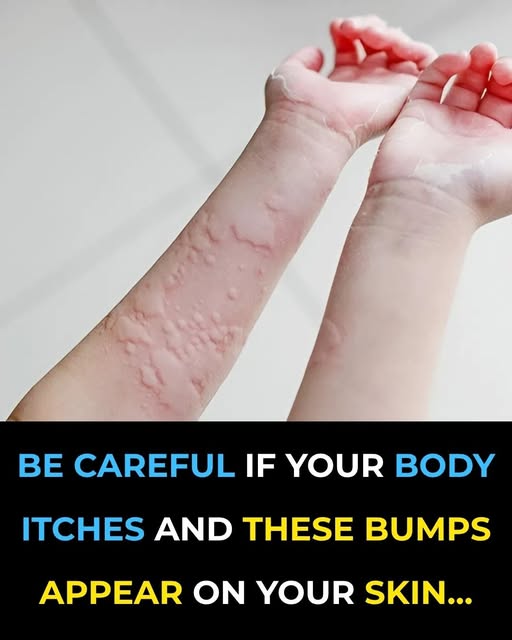
Hives, medically known as urticaria, are raised, red, itchy welts that can appear anywhere on the body. They range in size—from tiny dots to large patches—and may vanish within hours or linger for days. Many people assume hives are caused solely by food allergies or insect bites, but the truth is that triggers are often surprising, subtle, and surprisingly common.
Medications: The Hidden Culprits
Even over-the-counter drugs like ibuprofen, aspirin, and certain antihistamines can trigger hives in some people. Prescription medications, including antibiotics such as penicillin or drugs for high blood pressure, may also provoke reactions. Hives can appear hours or even days after starting a new medication, making it crucial to monitor your skin and consult a healthcare professional if a reaction occurs.
Temperature Changes and Environmental Factors
Heat, cold, and sunlight can all spark hives. Heat hives may occur after exercise, hot showers, or stress. Cold urticaria appears after exposure to ice, cold water, or winter air, while rare solar hives develop in response to sunlight. Stress and emotional anxiety don’t directly cause hives but can worsen existing ones or trigger chronic flare-ups by overstimulating the immune system.
Infections and Physical Triggers
Viral infections like colds, flu, or mono, as well as bacterial infections such as strep throat or urinary tract infections, can provoke hives. Even dental infections can play a role, especially in children. Tight or irritating clothing can trigger pressure hives (dermatographism), causing raised, itchy areas where friction occurs.
Unexpected Foods and Exercise
Beyond common allergens like nuts and shellfish, foods such as citrus fruits, strawberries, tomatoes, spicy dishes, or certain additives can cause hives. Exercise-induced hives may appear during or after physical activity and can, in rare cases, result from specific food-exercise combinations.
Autoimmune Conditions and Allergens
Autoimmune disorders—like thyroid disease, lupus, or rheumatoid arthritis—sometimes lead to chronic hives. Environmental allergens, including dust, pet dander, mold, and latex, can also provoke reactions. Hormonal shifts during menstruation, pregnancy, or menopause may influence immune responses, making hives more common in women.
Managing and Preventing Hives
If hives appear, avoid scratching, which can worsen inflammation and increase infection risk. Cold compresses or soothing lotions often provide relief, and over-the-counter antihistamines such as cetirizine, loratadine, or diphenhydramine may help mild cases. Seek immediate medical attention if hives persist for more than six weeks or are accompanied by swelling of the face or throat, difficulty breathing, dizziness, or other concerning symptoms.
By understanding your potential triggers—from medications and infections to environmental factors and stress—you can better manage outbreaks and prevent future flare-ups. Paying attention to your body and identifying patterns can help keep your skin calm, comfortable, and healthy.