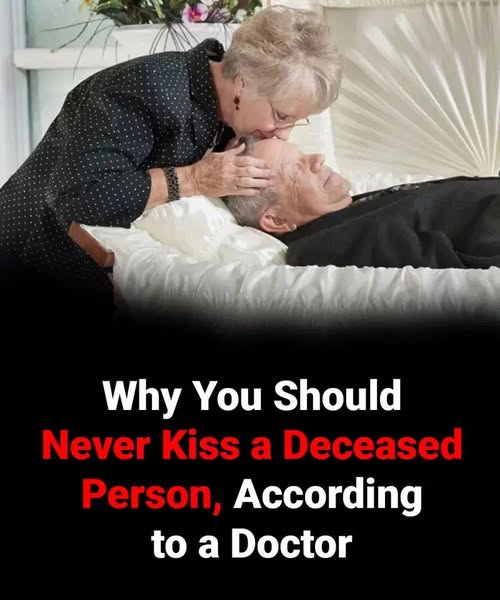
Losing a loved one often sparks a deep, instinctive urge to give a final kiss—a way to say goodbye. However, this common gesture carries serious health risks that are often overlooked during grief. After death, the body’s immune system stops working, allowing bacteria that were once harmless to multiply rapidly. Direct contact, such as a kiss, can transfer these bacteria and lead to infections.
Certain viruses, including HIV, hepatitis, or tuberculosis, may remain active after death. Physical contact with someone who passed from an infectious illness can expose you to these pathogens through bodily fluids or mucous membranes. Additionally, the natural decomposition process releases fluids and gases containing harmful microorganisms. Touching these substances can cause skin infections or digestive issues, while inhaling the gases may irritate the lungs—or even lead to respiratory infections, particularly for those with weakened immunity.
There are psychological considerations, too. Kissing a deceased person can create lasting, unsettling memories that intensify grief rather than bring comfort. Funerals themselves can also pose risks, such as cross-contamination or reactions to embalming chemicals.
Safer alternatives exist that still honor your loved one: holding their hand, gently touching their forehead, or simply being present can provide meaningful closure without compromising your health. In fact, protecting yourself while mourning is itself an act of love and respect.