
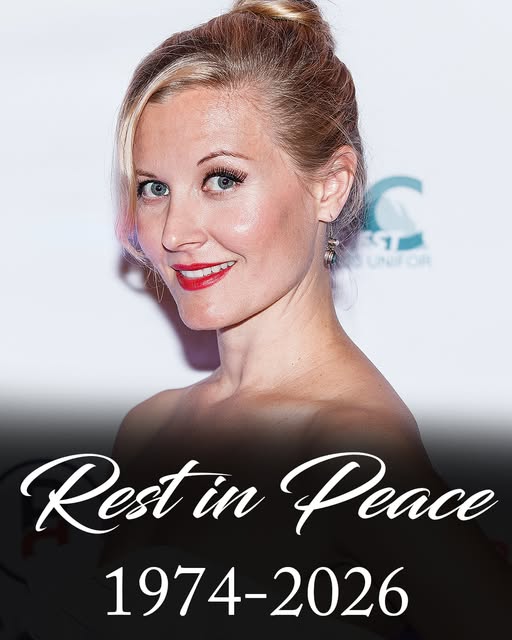
Canadian actress Carrie Anne Fleming, widely recognized for her appearances in cult television favorites and genre productions, has passed away at the age of 51.
Her death was confirmed by her co-star Jim Beaver, who worked alongside her on Supernatural. According to reports, Fleming died from complications related to breast cancer on February 26 in Sidney, British Columbia. A month later, her family publicly confirmed the news, sharing a message that reflected both grief and gratitude.
“She died peacefully with her loved ones by her side,” her representative said. “It was a great privilege to have known Carrie. She was a beautiful soul, inspiring, and above all, kind. She will be greatly missed.”
Born on August 16, 1974, in Digby, Fleming spent much of her early life in Canada before eventually settling in British Columbia. She attended Mount Douglas Senior Secondary in Victoria, where her interest in performance began to take shape. Though her parents separated when she was very young, she was raised primarily by her mother, while her father later pursued a life that took him across Florida as a pilot and yacht captain.
4
Before stepping fully into acting, Fleming briefly worked as a model in Vancouver. However, it quickly became clear that her natural presence belonged on screen and stage. Those who trained her early on recognized a performer who combined ease with quiet intensity.
“She had such a fresh face,” her instructor Dama Hanks once noted, while John Gray, known for Ghost Whisperer, described her as “as low-maintenance a performer as a director could wish for.”
Fleming’s early screen work included a recurring role on Viper and a small appearance in Happy Gilmore alongside Adam Sandler. Reflecting on that time, she once downplayed rumors about their relationship with characteristic warmth and humor:
“I wouldn’t call it dating. I brought him milkshakes and we hung out. He was really nice.”
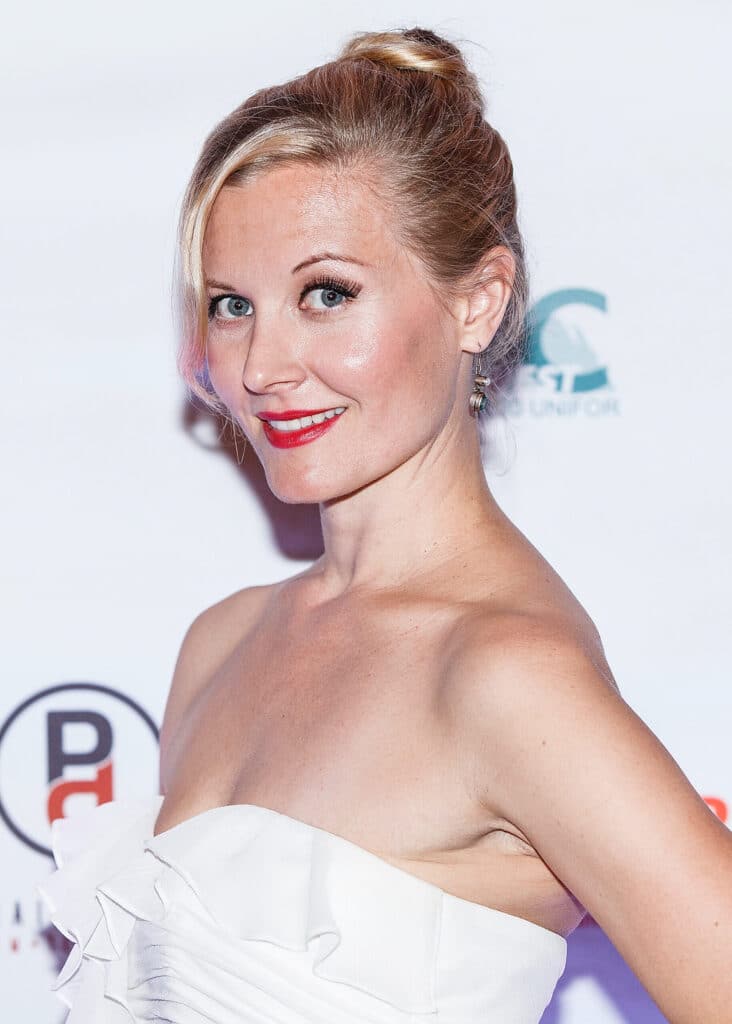
Her breakthrough in the horror genre came in 2005 when legendary director Dario Argento cast her in Masters of Horror. Her portrayal in the episode “Jenifer” left a lasting impression, helping establish her as a recognizable face in genre television.
Fleming went on to appear in projects such as The Tooth Fairy and Bloodsuckers, but for many fans, she became most memorable as Karen Singer on Supernatural—the warm, grounded wife of Bobby Singer, portrayed by Jim Beaver. Her performance brought emotional depth to the series and resonated strongly with audiences.
She also appeared in The Unauthorized Full House Story and held a recurring role as Candy Baker on iZombie for five seasons, further solidifying her presence in television.
Beyond screen work, Fleming remained deeply connected to theater in British Columbia, performing in productions like Noises Off, Romeo and Juliet, Steel Magnolias, and Fame. Colleagues often described her as both dedicated and effortlessly engaging, someone who brought warmth into every room she entered.
Jim Beaver shared a heartfelt tribute, recalling their friendship both on and off screen:
“She was a powerhouse of vitality and goodwill… with a rapturous laugh and an utterly adorable personality that didn’t seem to have an off switch.”
Carrie Anne Fleming is survived by her daughter, Madalyn Rose, known as Max. Her passing leaves behind a body of work that spans television, film, and stage—along with the memory of a performer whose presence was defined not only by talent, but by kindness and quiet strength.