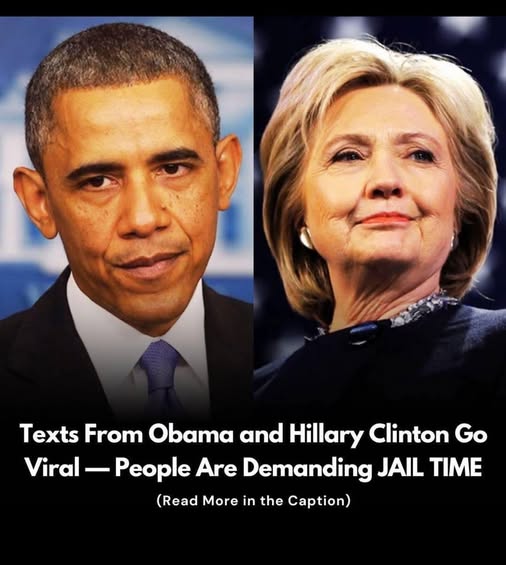
In a revelation reigniting fierce debate over the 2016 U.S. presidential race, newly declassified documents suggest Hillary Clinton personally authorized a plan to tie Donald Trump to Russia—even in the absence of verified intelligence.
The explosive findings, part of Special Counsel John Durham’s years-long investigation, allege that Clinton’s campaign aimed to deflect from her escalating email scandal by promoting a narrative that Trump was colluding with the Kremlin. The strategy, according to Durham’s report, was greenlit by Clinton herself and based on a proposal from her foreign policy advisor, Julianne Smith.
One declassified memo included in the Durham report reads:
“Clinton approved a plan proposed by one of her foreign policy advisors, Julianne Smith, to smear Donald Trump by magnifying the scandal tied to the intrusion by the Russian special services in the pre-election process to benefit the Republican candidate.”
The documents—released at the request of Sen. Chuck Grassley (R-Iowa) and declassified by U.S. intelligence officials including FBI Director Kash Patel and Attorney General Pam Bondi—raise fresh alarms about political weaponization within federal agencies during the final months of the Obama administration.
A Manufactured Scandal?
Durham’s investigation focused on the origins of the FBI’s “Crossfire Hurricane” probe and whether government agencies mishandled politically charged intelligence. His findings suggest the FBI may have overlooked or dismissed key reports implicating the Clinton campaign in constructing the Trump-Russia narrative.
Senator Grassley didn’t hold back in his response:
“Based on the Durham annex, the Obama FBI failed to adequately review and investigate intelligence reports showing the Clinton campaign may have been ginning up the fake Trump-Russia narrative for Clinton’s political gain, which was ultimately done through the Steele Dossier and other means.”
He went on to describe the episode as a “political scandal and cover-up” and one of the most egregious abuses of power in modern U.S. political history.
Durham’s Report vs. Years of Political Narrative
Though Durham’s investigation did not lead to sweeping indictments, it exposed troubling lapses in judgment and oversight by intelligence and law enforcement agencies. The findings challenge years of media coverage and partisan messaging that treated Trump’s alleged ties to Russia as near-certainties.
Adding to the controversy, Director of National Intelligence Tulsi Gabbard released separate intelligence summaries indicating that Russia did not play a decisive role in Trump’s 2016 victory—contradicting claims that fueled years of public distrust and congressional investigations.
Allegations of Government-Campaign Collusion
Investigative journalist Paul Sperry of RealClearInvestigations reported that internal emails and text messages—still unreleased—may point to direct communication between Clinton campaign operatives and Obama administration officials.
According to Sperry, these communications could shed light on how the now-discredited Steele Dossier and other politically motivated materials were used to trigger federal investigations and drive media narratives.
What This Means for 2024 and Beyond
With the 2024 election cycle heating up, the implications of these newly declassified memos could ripple through the political landscape. Trump supporters see the revelations as vindication—proof that intelligence agencies were used as partisan tools.
Clinton allies, meanwhile, have yet to respond directly to the new documents, though they’ve long defended their concerns about foreign interference in 2016.
One thing is certain: as new details emerge, the story of the 2016 election—and the integrity of those behind the scenes—remains far from over.