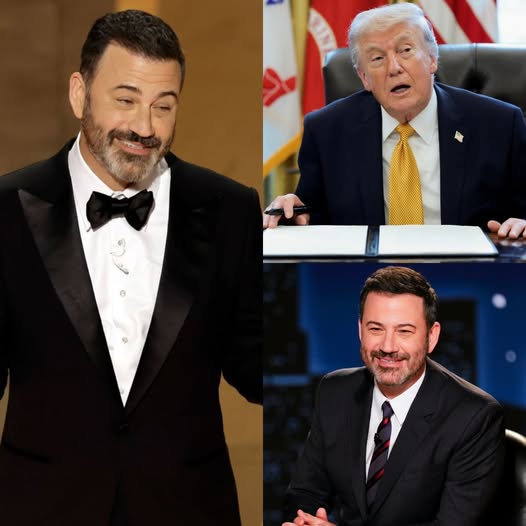
A long-standing claim about Donald Trump’s academic excellence has resurfaced in public debate after renewed scrutiny from late-night television. For decades, Trump has described himself as a “genius,” often pointing to his education at Wharton School as supporting evidence.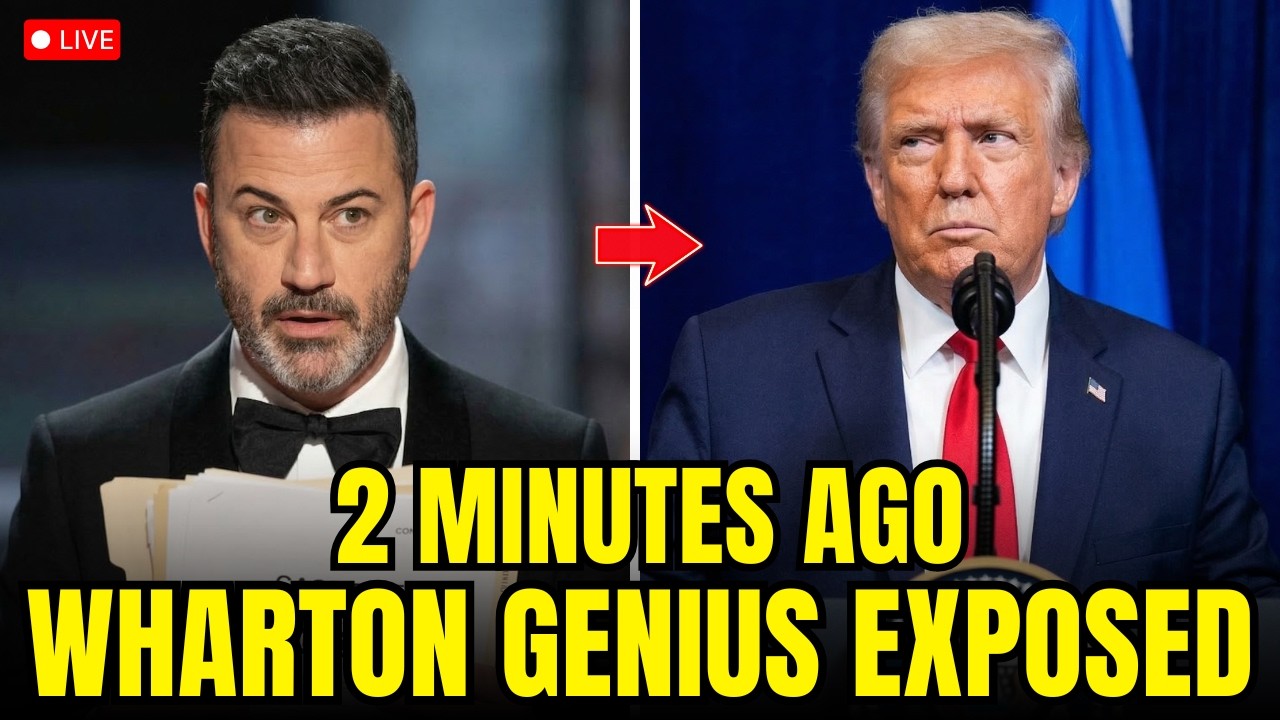
The issue gained fresh attention following a segment by Jimmy Kimmel, who revisited Trump’s past statements and juxtaposed them with accounts described as coming from individuals familiar with his academic history. The segment quickly circulated online, prompting discussion across political and media circles.
Trump’s references to Wharton have long served as a central element of his public persona. In speeches and interviews, he has cited the institution’s reputation as validation of his intellectual credentials, often presenting it as a definitive answer to critics who question his expertise or decision-making.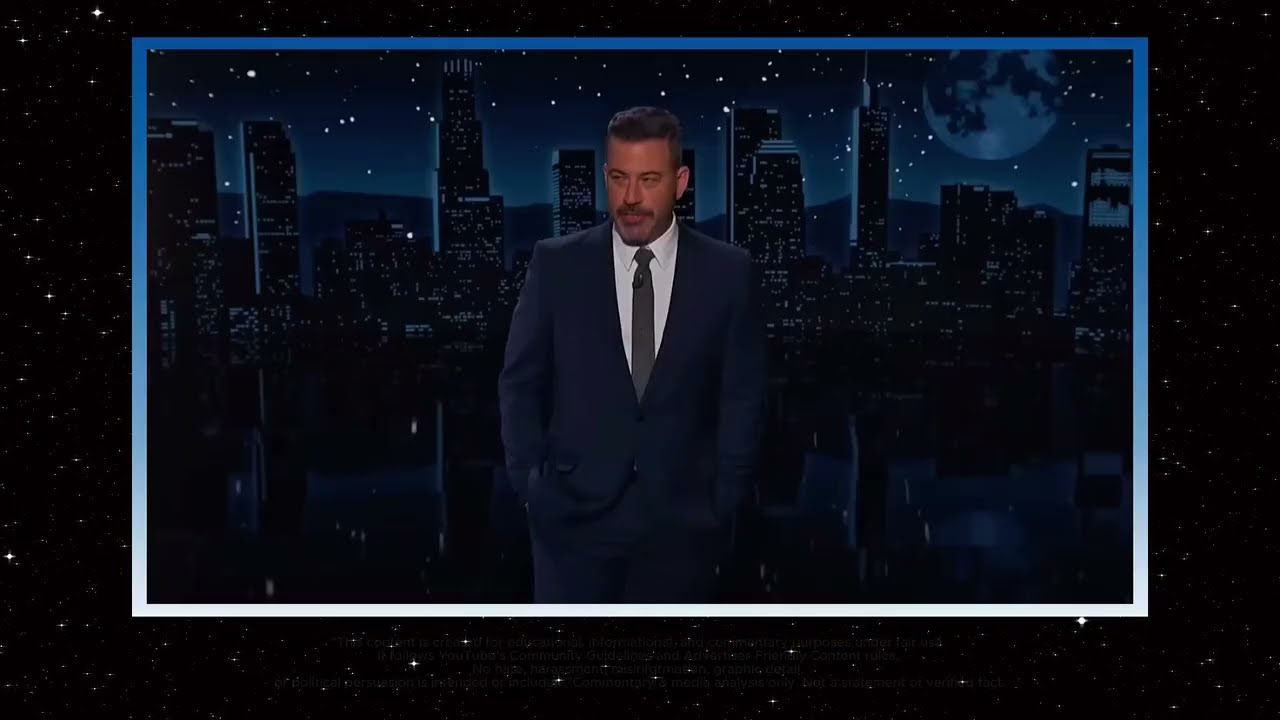
Yet questions about the details of his academic record have persisted for years. Publicly available information confirms that Trump transferred to Wharton after attending Fordham University, but full transcripts and detailed performance records have not been released, leaving gaps that have fueled speculation.
During his broadcast, Kimmel did not claim to offer definitive conclusions. Instead, he framed the discussion around reported descriptions of Trump as a student, including suggestions that his academic performance was unremarkable rather than exceptional. The tone was measured, but the implications drew attention.
Some commentators noted that the absence of official documentation has contributed to the enduring uncertainty. In political life, academic achievements are often highlighted and documented, making the lack of publicly verified records unusual for a figure who frequently emphasizes educational prestige.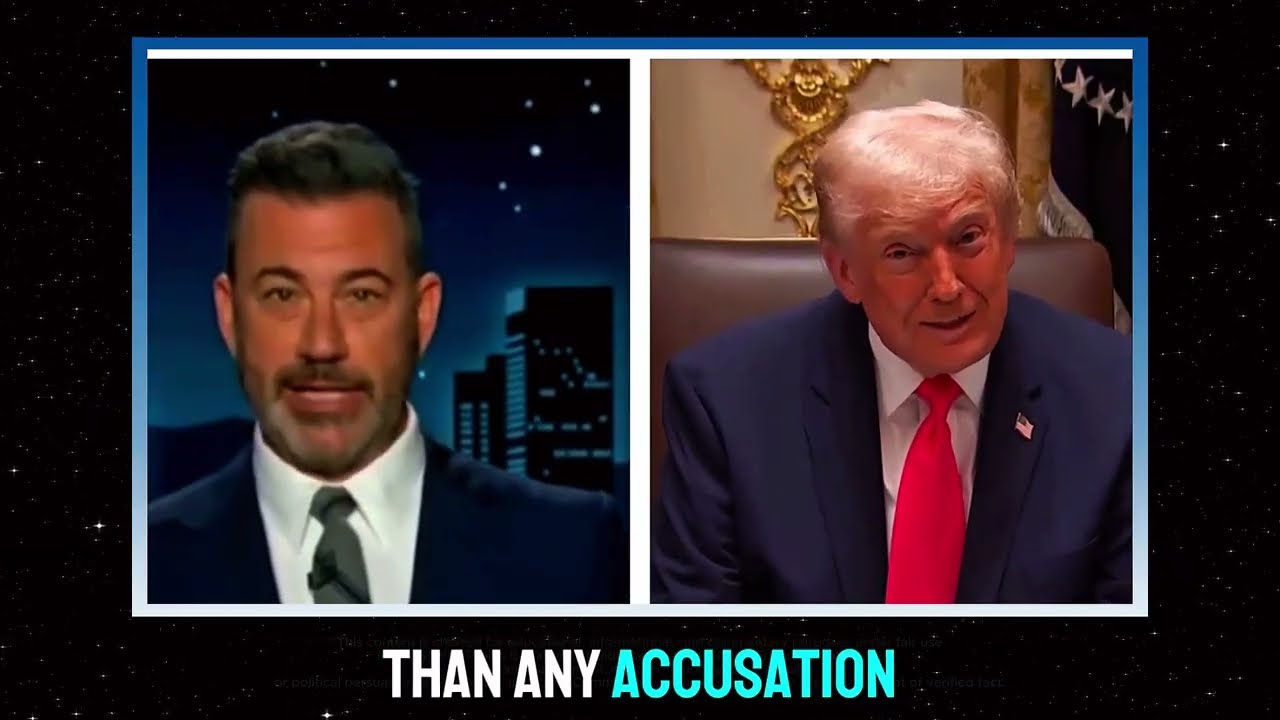
Supporters of Trump have argued that such scrutiny is politically motivated, pointing out that academic performance decades ago may have limited relevance to current leadership abilities. Critics, however, contend that repeated claims of exceptional intellect invite closer examination.
The broader conversation reflects a familiar dynamic in modern media, where entertainment platforms intersect with political narratives. Late-night shows, once largely comedic, have increasingly become venues for raising questions that resonate beyond their immediate audiences.
Trump has previously responded to similar inquiries with dismissals and criticism of those raising them. Notably, calls for releasing transcripts have not resulted in new disclosures, leaving the matter unresolved and open to interpretation by both supporters and detractors.
Ultimately, the episode underscores how personal narratives and public records can diverge. While no definitive conclusion has emerged, the renewed focus illustrates how longstanding claims can face new scrutiny in an era where media, documentation, and public perception are closely intertwined.