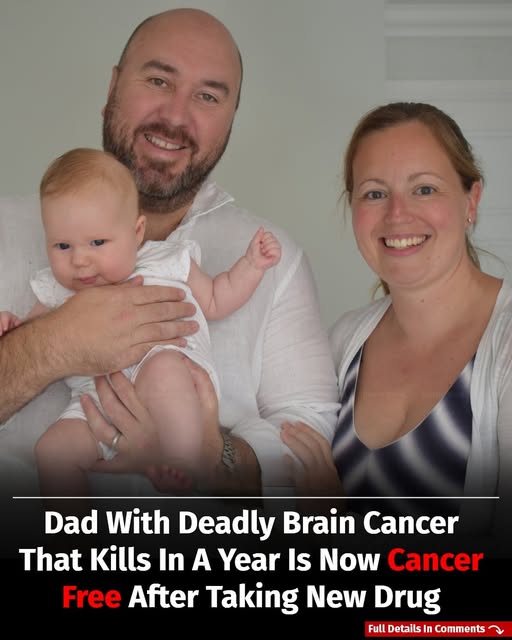
A groundbreaking drug is taking the fight directly to brain cancer.
Glioblastoma, one of the most aggressive and fatal brain cancers, tragically claims over 10,000 lives in the U.S. every year.
With no known cure and an average life expectancy of just nine months after diagnosis, this devastating disease has long been a relentless enemy—until now.
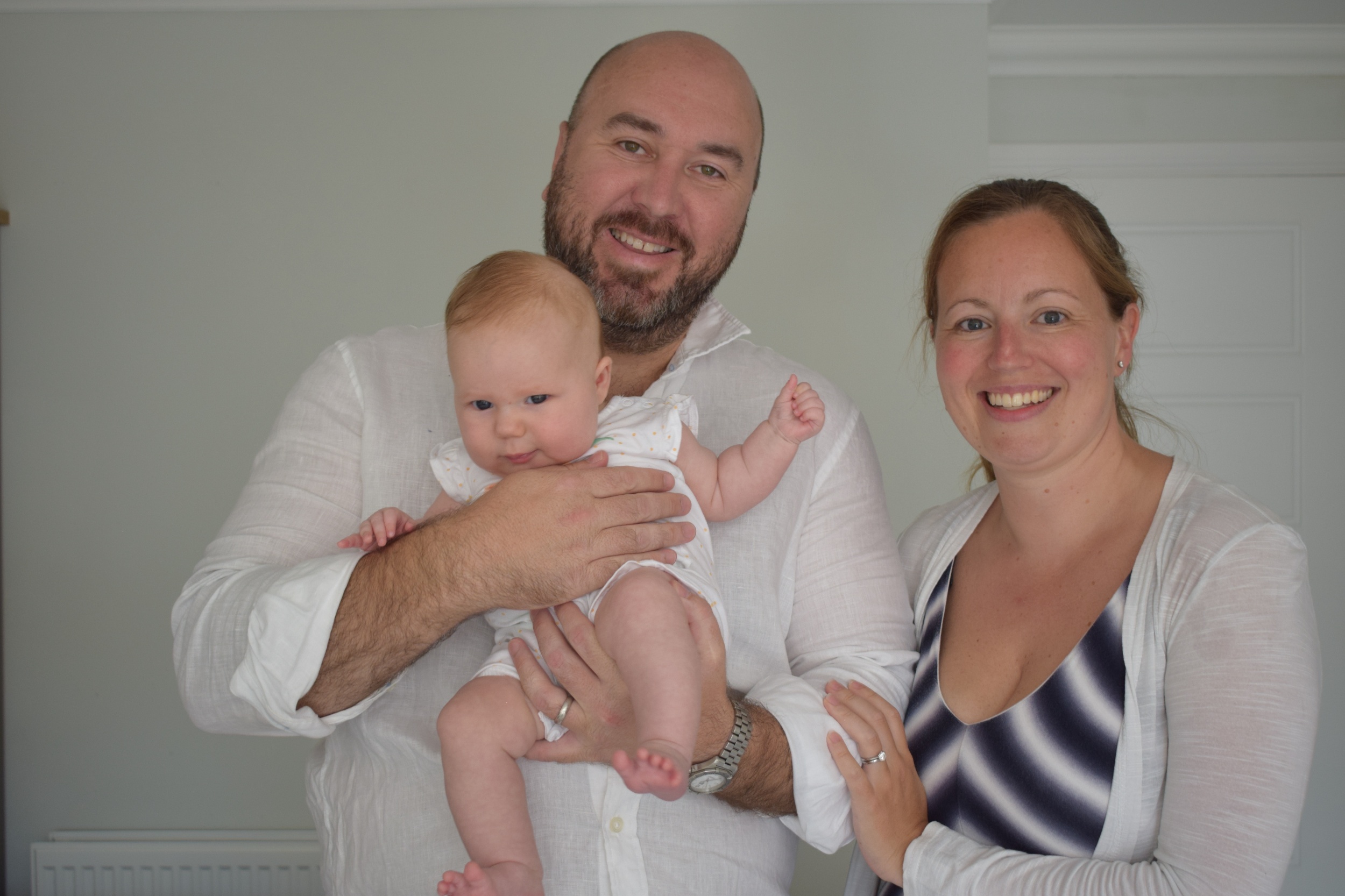
Ben Trotman was just 40 years old when he received a devastating diagnosis: glioblastoma, one of the deadliest forms of brain cancer, in October 2022.
Traditionally, doctors focus on managing symptoms and extending life through surgery to remove tumors, followed by radiation and chemotherapy aimed at destroying cancer cells. But real hope has emerged thanks to cutting-edge research at University College London Hospitals (UCLH).
A new clinical trial is testing a revolutionary immunotherapy drug called ipilimumab—marketed as Yervoy—which works by training the immune system to recognize and attack cancer cells.
What’s truly groundbreaking is how this drug is being used: patients receive ipilimumab before any other treatment, while they’re still strong enough to handle immunotherapy.
Dr. Paul Mulholland, the lead consultant medical oncologist on the trial, shared the encouraging news:
“We observed remarkable results with Ben, the first patient enrolled in the NeAT-GLIO immunotherapy study. His scans have remained clear, with no signs of tumor recurrence more than two and a half years after treatment.”
Ben’s story is inspiring hope for thousands facing this aggressive disease.
Glioblastoma is known as the deadliest form of brain cancer, claiming the lives of more than 10,000 Americans every year.
Ben Trotman was just 40 when he received this devastating diagnosis in October 2022. Shortly after, he met with Dr. Mulholland, who offered him a chance to join a groundbreaking clinical trial for a new immunotherapy drug called ipilimumab.
Ben became the first—and only—patient in the study to receive the drug before starting any traditional treatment for glioblastoma.
“Getting this diagnosis was the most traumatic experience,” said Ben’s wife, Emily. “We were grappling with the reality that Ben had gone from being perfectly healthy to being told he had only months to live.”
Ben’s treatment began with the immunotherapy drug, followed by radiation and chemotherapy to target any remaining cancer cells.
Now, nearly three years later, Ben’s scans are completely clear.
Dr. Mulholland said, “It is incredibly rare to see a clear scan in glioblastoma patients—especially when Ben didn’t even undergo the follow-up surgery that was originally planned to remove all visible tumors.”
Ben’s story is a beacon of hope in the fight against this ruthless disease.

Ben and Emily Trotman’s love story blossomed amid adversity—they married in January 2023, just months after Ben began his immunotherapy treatment. Earlier this year, their joy multiplied with the arrival of their daughter, Mabel.
“We hope the immunotherapy and follow-up treatments will keep Ben’s tumor at bay,” Dr. Mulholland said. “So far, it’s working, and we couldn’t be happier.”
The couple treasures simple pleasures, often taking peaceful walks with their rescue dog, Jerry, soaking in the moments of normalcy amid uncertainty.
Emily shared, “We’re trying to live as normal a life as possible. We face a situation unlike any other, full of unknowns.” She added, “We want to live each day as if it were our last, but also dream about the future we hope to have.”
Encouraged by Ben’s progress, researchers aim to enroll 16 more glioblastoma patients in the coming 18 months. Like Ben, these patients will receive ipilimumab first, followed by standard treatments such as radiation and chemotherapy. Depending on tumor severity and location, some may also undergo surgery.
This promising trial offers fresh hope in the battle against a devastating disease—one patient at a time.
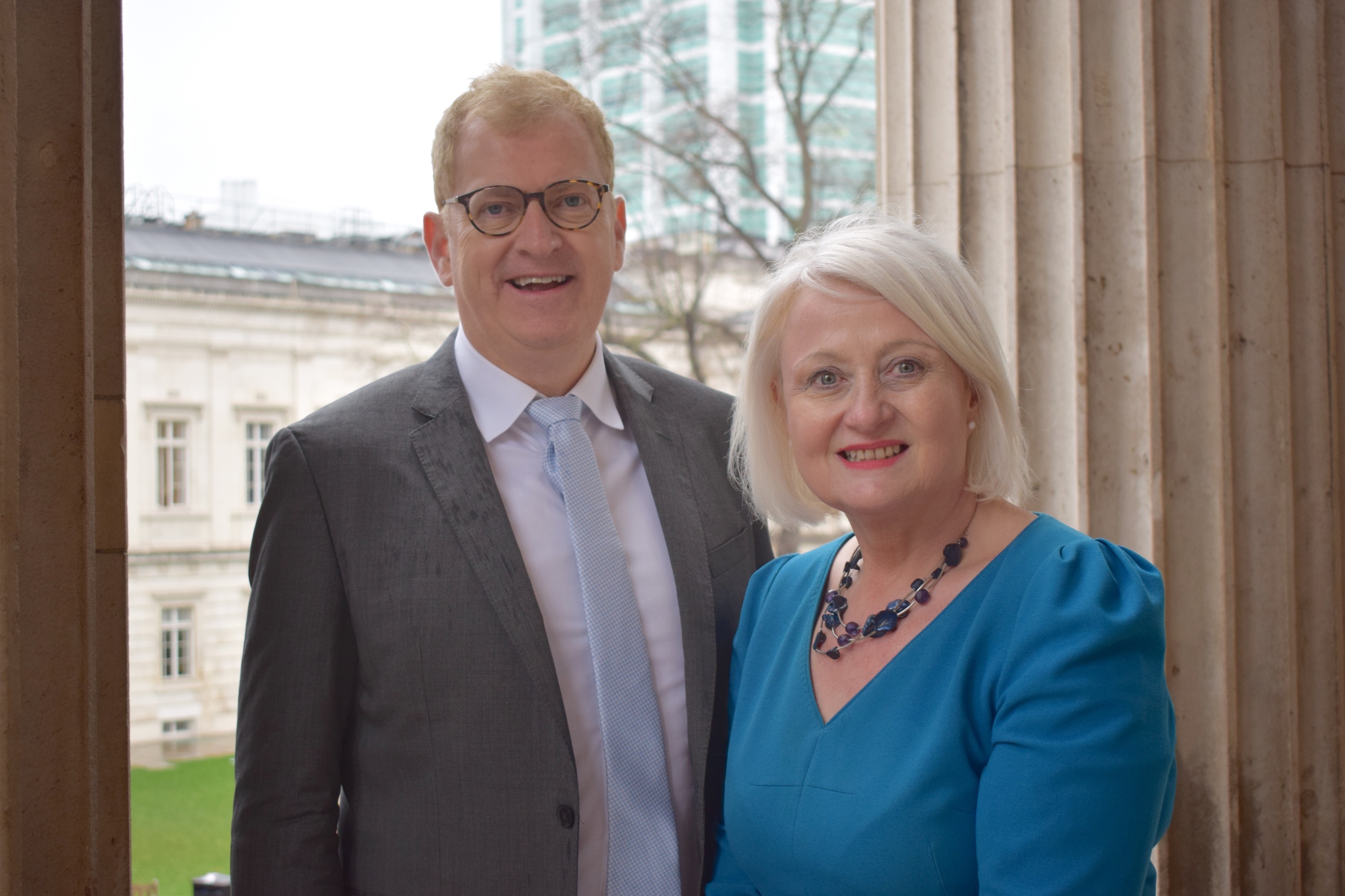
Dr. Paul Mulholland (left) is pictured alongside Dame Siobhain McDonagh, a British Member of Parliament who has passionately championed funding for the new ipilimumab clinical trial.
Dame Siobhain’s dedication to this cause is deeply personal—her sister, Margaret, tragically lost her battle with glioblastoma in 2023.
“My beloved sister Margaret was devastated to learn that there had been no real progress in brain cancer treatments for decades when she was diagnosed,” McDonagh shared.
“Changing this became Margaret’s final campaign—and it’s a mission I continue in her memory.”
All treatments and procedures for the trial take place at the NIHR UCLH Clinical Research Facility, based at the National Hospital for Neurology and Neurosurgery.
Ben expressed his hope for others facing this disease:
“I’m thrilled this trial is moving forward, using the same immunotherapy drug I received. It offers newly diagnosed glioblastoma patients something invaluable—hope.”