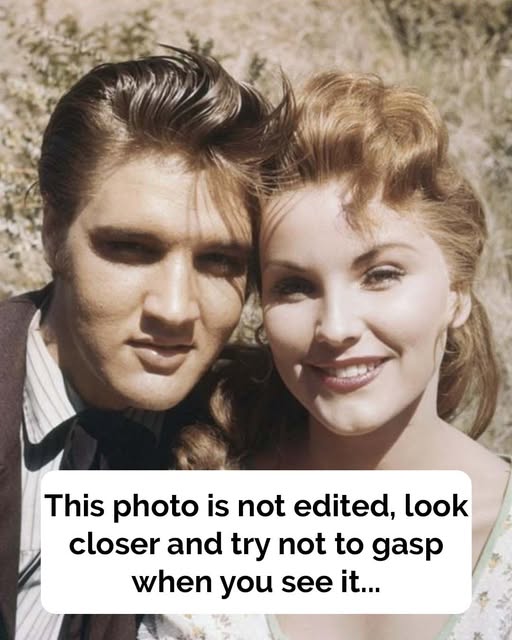
Revisiting *Love Me Tender*: Elvis Presley’s Film Debut Is a Timeless Treasure Full of Surprises
Did you know that the entire movie Love Me Tender is available to watch for free on YouTube? For first-time viewers, it’s a rare treat — and for longtime fans, a chance to rediscover the magnetic charisma of Elvis Presley at the very beginning of his Hollywood journey.
Because here’s the truth: Elvis wasn’t just the King of Rock ‘n’ Roll — he had it all. That voice, those dance moves, the unmistakable charm, and yes, even natural acting talent. In Love Me Tender, we see the King not just sing, but act — and he delivers far more than just musical numbers.
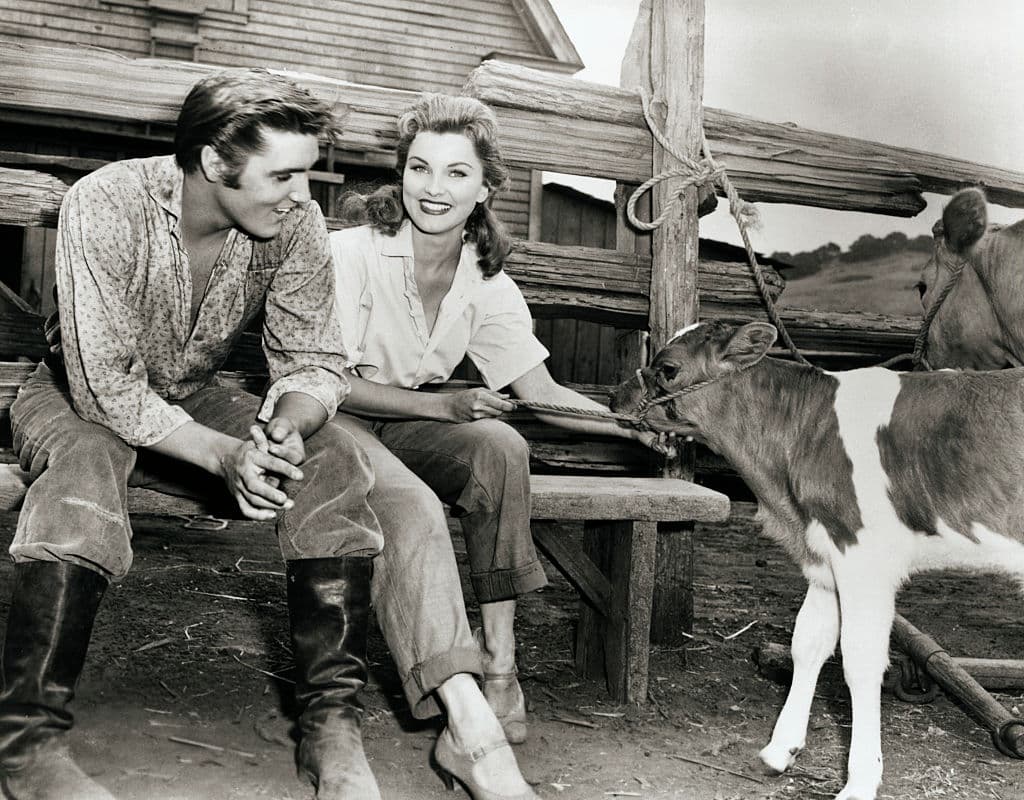
A Different Kind of Debut
Released in 1956, Love Me Tender marked Elvis Presley’s first foray into film. Set in the aftermath of the Civil War, the movie blends romance, family tension, and Western-style action. While it was originally titled The Reno Brothers, the name was changed to capitalize on the success of the song “Love Me Tender,” which quickly became a chart-topping sensation.
Elvis played Clint Reno, the youngest of four brothers — and the only character in any of his films based on a real historical figure. The movie is loosely inspired by the notorious Reno Gang, pioneers of American train robbery during the 1860s.
The Hysteria of the Premiere
When Love Me Tender premiered at the Paramount Theater in New York City, more than 1,500 fans camped out beneath a massive 40-foot cutout of Elvis. Inside the theater, audiences screamed so loudly during his scenes that many of his lines were drowned out. It wasn’t just a movie premiere — it was a cultural event.
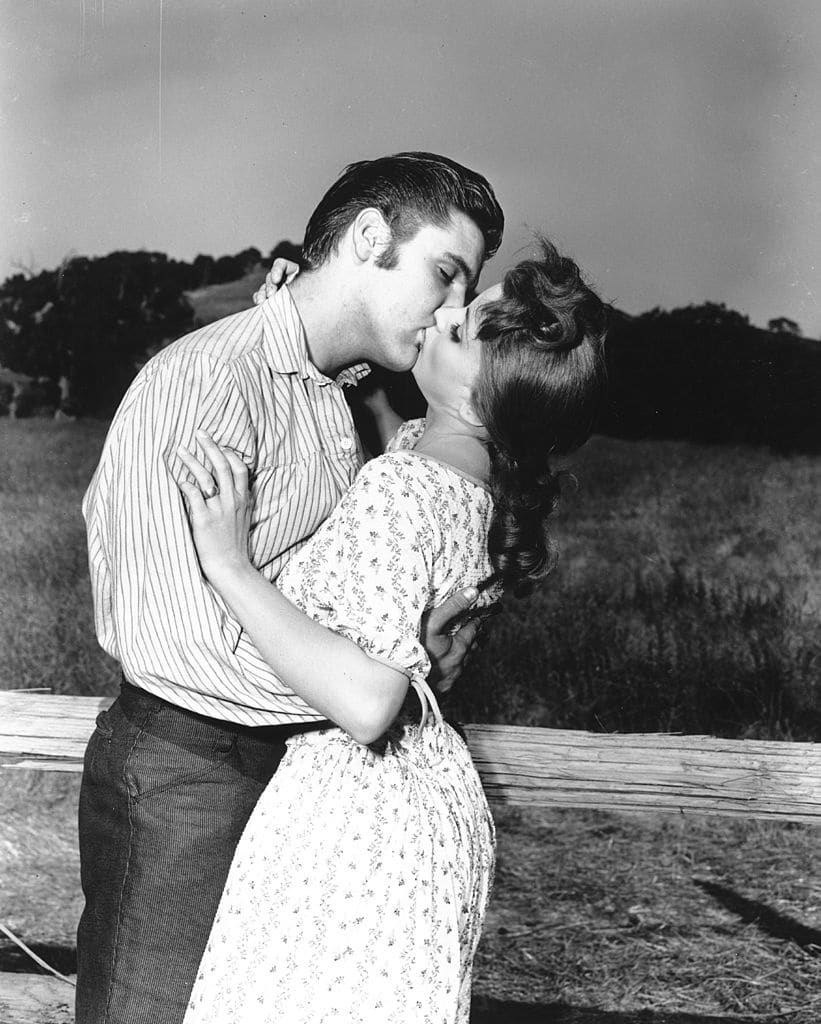
The Boy Behind the Dream
Before he ever set foot on a movie set, Elvis worked as a cinema usher, admiring stars like James Dean, Marlon Brando, and Tony Curtis. He wanted to be like them — a serious actor. Not just a singer who happened to be famous.
But his manager, Colonel Tom Parker, had different plans: each film would be a vehicle for Elvis’s music. That meant soundtracks were just as important as storylines.
Still, Elvis took his role seriously. Though he was only third-billed — behind Richard Egan and Debra Paget — he memorized not just his own lines, but everyone else’s. Producer David Weisbart later said Elvis was “humble, polite, and very serious about acting.”
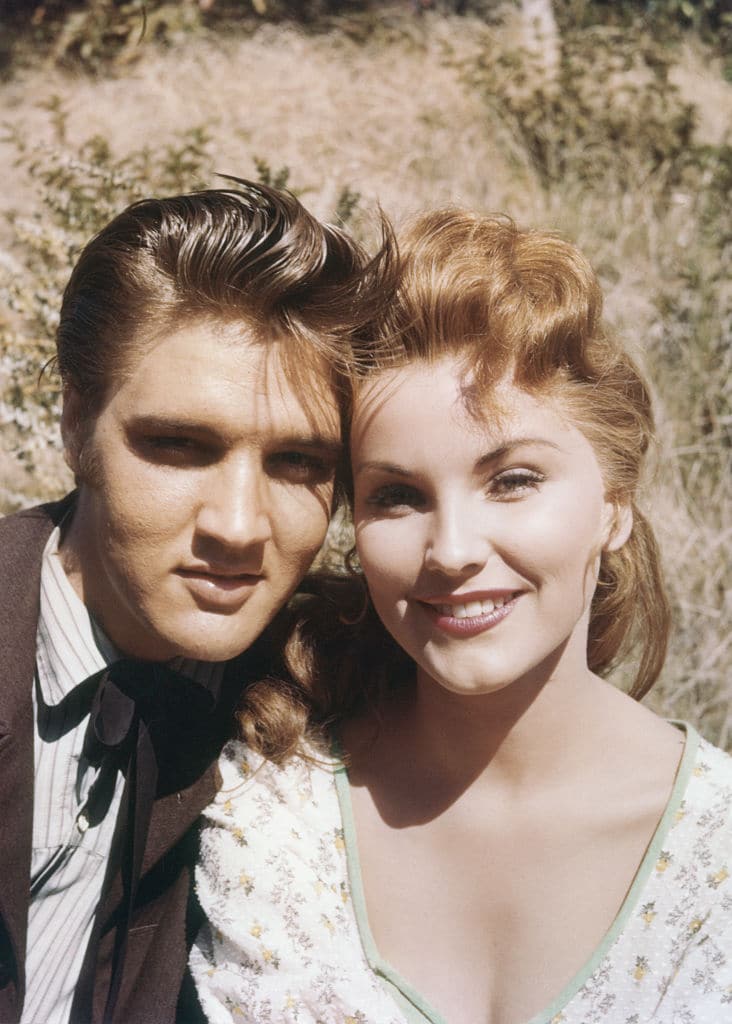
Behind the Scenes: Hidden Gems & Heartfelt Surprises
“Sometimes you can learn more about a person in a few hours than in weeks of constant contact.” — Debra Paget
Elvis didn’t initially plan to sing in the film. But that changed quickly. Within five minutes of his first on-screen appearance, he’s performing, and by the benefit concert scene, it feels more like 1956 than 1865. Screaming girls? In the Wild West? Not exactly historically accurate — but completely Elvis.
Interestingly, the role of Clint Reno was initially rejected by actors Jeffrey Hunter and Robert Wagner. Once Elvis was cast, producers expanded the part and added new scenes — including extra songs — to showcase his charisma.
The Music Behind the Magic
The film’s title song wasn’t originally written for Elvis at all. “Love Me Tender” is adapted from the Civil War-era tune “Aura Lee,” with new lyrics credited to Vera Matson (though actually penned by her husband, Ken Darby). Elvis debuted it on The Ed Sullivan Show before the movie’s release, and demand was so high that RCA had over a million preorders. It became a gold record before it even hit store shelves.
The single topped the charts for five consecutive weeks — and Elvis would continue performing it live for the next 20 years. A testament to its staying power and emotional resonance.
The Debra Paget Effect
Debra Paget, just 22 at the time, had already built a name for herself in Hollywood. When she met Elvis, she wasn’t sure what to expect. “I’d heard and read a lot about this new young singing sensation,” she said, “and most of it was not complimentary.”
But Elvis surprised her. He was polite, respectful — even charming to her mother. They connected quickly, like two shy souls bumping into each other in a storm.
Elvis fell hard. He considered her the most beautiful woman he’d ever seen. According to reports, he even proposed — but Debra declined, citing her parents’ objections. She was already falling for someone else: Howard Hughes.
Still, her impact lingered. In fact, it’s said that Priscilla Presley adopted Debra’s iconic hairstyle from Love Me Tender to win Elvis’s attention years later.
Elvis’s Mom Changed the Ending
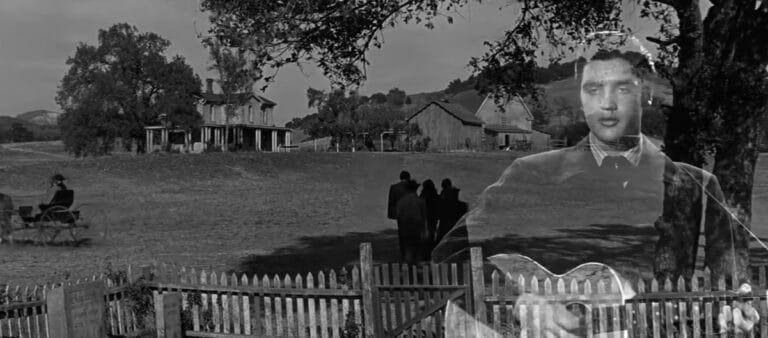
Here’s a lesser-known fact: Elvis’s character dies in the film. Shot and cradled in Cathy’s arms, Clint Reno’s fate shocked audiences — especially his mother. Devastated by the ending, she urged producers to soften the blow.
So they added a final scene: Elvis’s silhouette singing “Love Me Tender” over the closing credits. Sweet, yes — but it led to a major continuity error. By then, Elvis had dyed his hair black, creating a noticeable inconsistency from earlier scenes where he sported his natural light brown locks.
Bloopers, Goofs, and 1860s Time Travel
For eagle-eyed viewers, Love Me Tender is full of delightful mistakes that only add to its vintage charm:
- A character unzips pants — even though zippers weren’t invented until decades later.
- A 1950s car appears in the background of a supposedly Civil War-era window scene.
- During “We’re Gonna Move,” Elvis stops playing the guitar, but the strumming continues anyway.
- And in one scene, a hidden gun appears, disappears, and reappears — all thanks to inconsistent camera angles.
These minor flubs don’t take away from the film’s legacy. If anything, they make it more endearing — a product of its time, preserved in celluloid and memory.
A Lasting Legacy
Love Me Tender may not be Elvis’s most critically acclaimed film, but it marks the moment the King of Rock ‘n’ Roll stepped into Hollywood — with wide eyes, sincere effort, and a heart full of dreams.
It’s a reminder that even icons start somewhere. And sometimes, they surprise us not just with talent, but with heart.
Want to Watch the Full Movie?
You can watch Love Me Tender on YouTube right now. And while you’re at it, share this article with fellow Elvis fans — or anyone who loves a good story filled with music, romance, and a few historical hiccups!