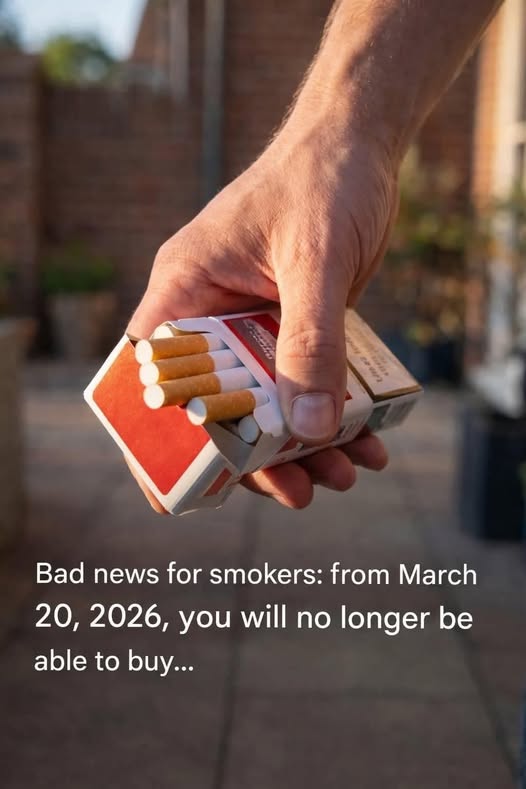
The price of cigarettes in France has been rising steadily for years—and it’s no coincidence. Behind every increase lies a deliberate government strategy aimed at reducing tobacco consumption and protecting public health.
The process begins with manufacturers or importers, who propose a retail price based on production costs, distribution, business margins, and mandatory taxes. But they don’t have the final say. French authorities, particularly the Directorate General of Customs and Indirect Taxes, carefully review and approve each price to ensure it meets strict national regulations. Once validated, the price becomes fixed across the country—meaning tobacconists cannot offer discounts, run promotions, or set their own rates.
So, what actually makes up the price of a pack?
It comes down to three key components: the manufacturer’s share, the tobacconist’s margin, and government taxes. Manufacturers typically receive about 15% of the retail price, while tobacconists earn around 8% to 10% for selling the product. The rest—by far the largest portion—goes to the state.
In fact, taxes account for roughly 75% to 80% of the total price. These include excise duties and value-added tax (VAT), both of which are regularly adjusted through government financial policies. Excise duty is calculated using a mixed system: part is based on the retail price, and part is a fixed amount per quantity of tobacco. If this calculation falls below a government-set minimum, the minimum tax is applied instead. VAT is then added, already included in the final price consumers pay.
By January 2026, the average cost of a pack of 20 cigarettes in France has climbed to around €12.50 to €13, with some brands exceeding €13.50. Compare that to the early 2000s, when a pack cost just about €3, and the scale of the increase becomes clear.
This sharp rise reflects a long-term national policy: make smoking less affordable—and ultimately, less common.