The skin in the groin area endures significant stress—due to heat, perspiration, friction, tight waistbands, and hair removal—resulting in common irritation that typically has a clear cause. A frequent offender is ingrown hairs: when a shaved or waxed hair curls back beneath the skin, it can create a red, itchy bump that may become tender or even infected. The remedy involves simple care rather than squeezing—consider warm compresses, gentle exfoliation, loose-fitting clothing, and refraining from shaving until the irritation subsides.
If the bumps resemble small pimples around hair follicles and are itchy or painful, folliculitis might be the cause. This condition can be triggered by friction, tight shorts, hot tubs or pools with poor hygiene, or the presence of bacteria and yeast on the skin. Mild cases often resolve with an antibacterial wash and a thin application of an over-the-counter topical antibiotic; however, more persistent or widespread outbreaks may require a prescription.
A different presentation—red, scaly, sharply defined patches that itch or burn and spread along the inner thighs—indicates a fungal infection commonly referred to as jock itch (tinea cruris). Fungi thrive in warm, moist environments, so maintaining dryness is crucial: opt for breathable underwear, promptly change out of sweaty clothing, apply antifungal cream as directed, and continue treatment for a week after the rash has cleared to prevent recurrence.
At times, the skin may simply be reacting negatively to an irritant. Contact dermatitis manifests as redness, itching, and occasionally small blisters following exposure to fragrances, harsh soaps, detergents, fabric dyes, or even certain elastic waistbands. Eliminating the irritant typically resolves the issue; switch to fragrance-free and dye-free products and consider a brief course of 1% hydrocortisone cream to alleviate the itching.
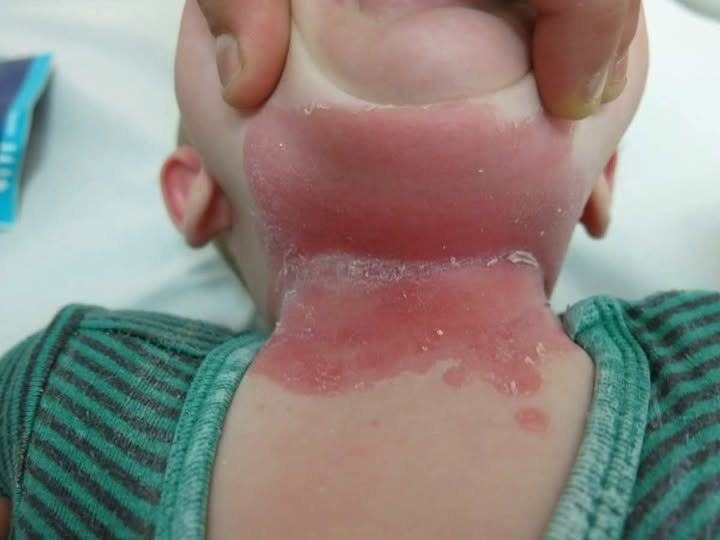
When moisture and friction combine in skin folds, it leads to intertrigo—characterized by red, raw, and occasionally stinging skin that may develop an odor or secondary infection. To alleviate this condition, ensure proper airflow and protection: gently pat the area dry after bathing (avoid rubbing), use a cool hairdryer on a low setting, apply an absorbent powder, or use a thin layer of barrier cream (such as zinc oxide or petroleum jelly). Additionally, address any bacterial or fungal overgrowth if it occurs.
You can minimize the occurrence of flare-ups by adopting a few habits: shower after sweating, ensure thorough drying, alternate breathable fabrics (like cotton or moisture-wicking blends), refrain from wearing excessively tight clothing, opt for trimming instead of shaving if you are susceptible to ingrown hairs, and use mild, fragrance-free cleansers and detergents. Seek medical advice if symptoms do not improve after one or two weeks of proper care, if they continue to spread, if they are extremely painful, or if they are accompanied by fever, pus, or significant redness—these may indicate an infection that requires specific treatment.