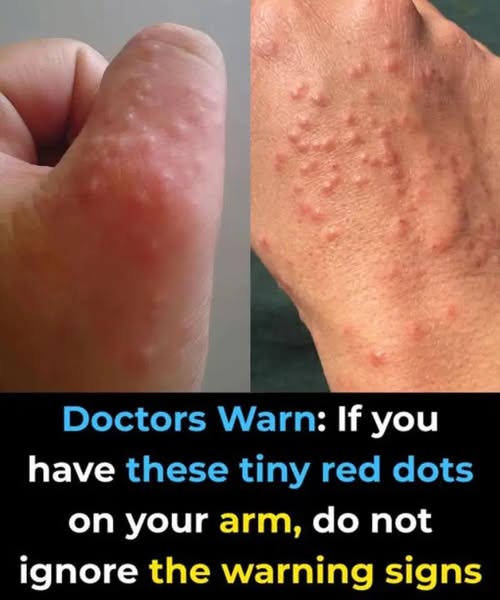
The UK is currently experiencing an unusual rise in scabies cases, prompting health experts to warn people not to ignore any red dots or itchy rashes on their skin.
Scabies is caused by tiny mites that burrow into the skin, leading to intense itching—especially at night—and a distinctive rash. It spreads easily through close skin-to-skin contact, making early diagnosis and treatment crucial to prevent further transmission.
Anyone can catch scabies, and the rash typically appears on areas such as between the fingers, wrists, underarms, waist, groin, and bottom—though it rarely affects the head and neck.
If you notice persistent itching or red spots, don’t hesitate to see a doctor. Early treatment stops the mites from spreading and brings quick relief.

Young children, the elderly, and people with weakened immune systems are at risk of scabies affecting unusual areas such as the head, neck, palms, and soles. In those with compromised immunity, a highly contagious and severe form called crusted scabies can develop, causing flaky, thickened rashes on the elbows, knees, hands, and feet.
According to the NHS, over 3,600 cases have been diagnosed in hospitals nationwide, reflecting a significant increase.
Prof. Kamila Hawthorne, chairwoman of the Royal College of General Practitioners (RCGP), warns that many sufferers avoid seeking medical help due to the social stigma attached to scabies. She noted that GP diagnoses are now above the five-year average and climbing, with the north of England experiencing a notable spike in cases.
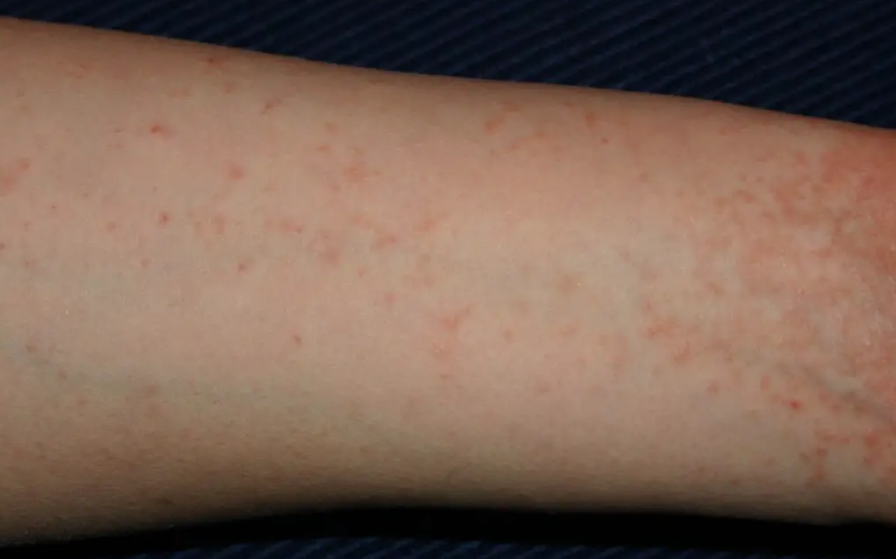
“While scabies isn’t usually a serious illness, it can cause intense itching and significant discomfort,” Prof. Hawthorne explained.
“If left untreated, the infestation can spread and raise the risk of complications, including secondary skin infections or worsening of existing skin conditions.”
She also highlighted that one major factor fueling the current scabies outbreak—despite the social stigma—is a shortage of available treatments.