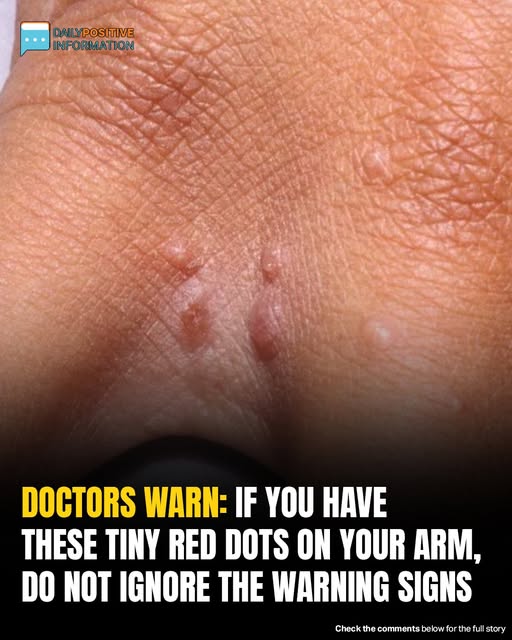
Doctors in the UK Warn: Don’t Ignore Tiny Red Dots on Your Hands — Seek Treatment Immediately
Medical experts across the UK are sounding the alarm about a sudden rise in cases of tiny red dots appearing on people’s hands — a warning sign you shouldn’t overlook. If you notice these spots, doctors urge you to avoid close contact with others and get prompt medical care.
This alert comes amid a sharp surge in a distressing condition causing symptoms like severe headaches, limb pain, and diarrhea — with cases doubling recently across the country.
What’s Behind This Warning?
The culprit is scabies, a highly contagious skin infestation that’s spreading rapidly, especially in northern England. Healthcare professionals have reported a significant uptick in cases, prompting urgent public health messages.
“Although scabies is not a serious illness, it causes intense itching and discomfort,” explains Professor Kamila Hawthorne, Chairwoman of the Royal College of General Practitioners. “If left untreated, it can worsen, leading to complications like secondary skin infections or aggravating existing skin conditions.”
What Exactly is Scabies?
Scabies is caused by tiny mites that burrow beneath the skin, laying eggs and creating visible red tunnels. The infestation spreads easily through close physical contact, allowing the itchy, red rashes to quickly cover large areas of the body.
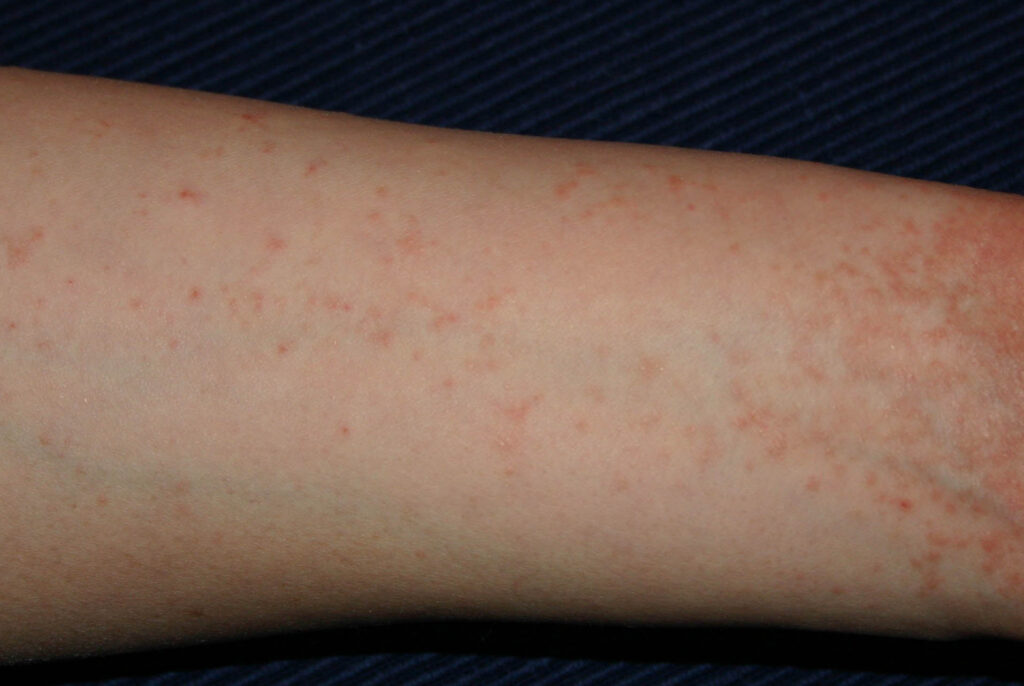
If you’re experiencing intense itching—especially at night—it could be a sign of scabies. Along with the relentless itch, red spots and rashes often appear on the skin.
A university student recently told the BBC how she noticed “little red dots” emerging around her hands and wrists, a classic early warning sign.
How Do You Catch Scabies?
Scabies spreads easily among groups with frequent close contact, making schools and young adults particularly vulnerable. High social interaction increases the risk of transmission.
It’s also commonly passed through intimate contact, so having multiple sexual partners can raise your chances of contracting it.
Additionally, sharing clothing, towels, or bedding with an infected person is another common way the mites spread.
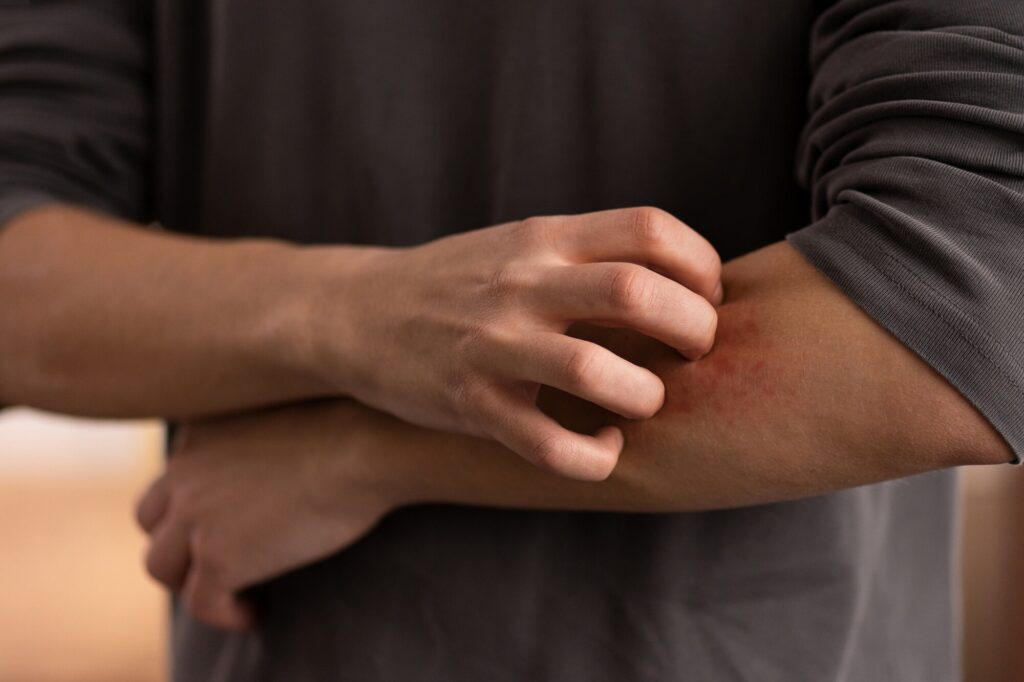
If you’ve contracted scabies, it’s essential to wash all your clothing and bedding in water heated to at least 60°C (140°F) to kill the mites completely.
If washing at this temperature isn’t possible, place the items in a sealed plastic bag for at least three days — long enough to ensure all mites and eggs perish.
Don’t Hide Away If You Have Scabies
Professor Hawthorne urges anyone who suspects they have scabies to seek medical treatment promptly.
While there is a social stigma attached to the condition, it should never prevent people from getting the help they need.
“Scabies is very uncomfortable, but effective creams and lotions can relieve the itching and irritation,” she explains. “If left untreated, the bites can worsen and lead to more serious complications.”
“We understand that patients may feel embarrassed or hesitant to seek help because of the stigma, but ignoring symptoms can make the condition worse and increase the risk of spreading it to others,” Professor Hawthorne added.