
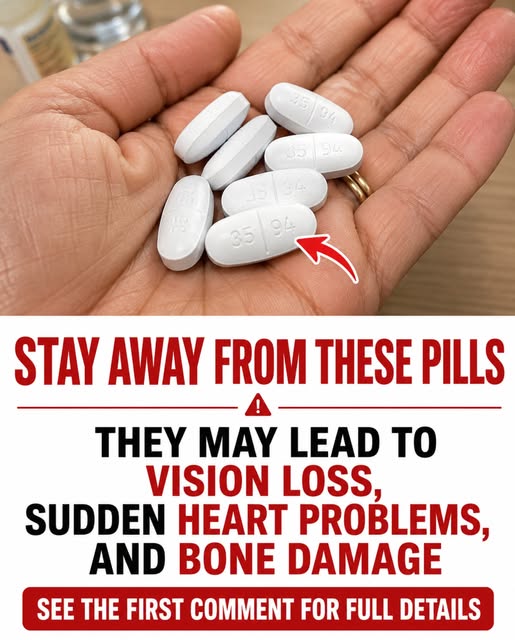
Warning: Certain Medications Linked to Blood Clots and Heart Attacks
In recent months, health authorities across various countries have begun reviewing, restricting, or even recalling specific medications due to potential cardiovascular risks. Investigations have linked certain drugs to severe, life-threatening conditions, including blood clots, embolisms, strokes, and heart attacks.
Patients and healthcare professionals are urged to remain highly vigilant, particularly when dealing with prescriptions known to influence blood circulation, blood pressure, or overall clotting factors.
What Exactly Are Blood Clots?
In medical terms, a thrombus is an abnormal blood clot that develops inside a blood vessel. Natural blood clotting is a vital biological function required to stop bleeding after an injury. However, when a clot spontaneously forms inside a vein or artery without any physical trauma, it can severely obstruct blood flow and become incredibly dangerous.
If left untreated, these internal blockages can lead to catastrophic complications, including:
- Pulmonary Embolism: Occurs when a clot breaks loose and travels directly into the lungs.
- Stroke: Happens when a clot successfully blocks the essential flow of blood to the brain.
- Heart Attack: Triggered when a clot completely obstructs blood flow into the heart muscle.
- Deep Vein Thrombosis (DVT): Develops when a clot forms deep within a major vein, most commonly located in the leg.
Because even a single, untreated clot can rapidly escalate into a life-threatening emergency, health regulators take any medications associated with a heightened clotting risk extremely seriously.
Medications That May Require Extra Caution
While the specific brand names of these drugs may vary depending on your country, medical agencies generally urge caution regarding the following categories:
- Hormonal Contraceptives: Particularly certain newer-generation birth control pills.
- Anti-Inflammatory Drugs: Specific types of prescription and over-the-counter anti-inflammatories.
- Weight-Loss Medications: Certain diet pills or chemical appetite suppressants.
- Specific Treatments: Rare, isolated cases linked to certain COVID-19 treatments or vaccines.
Major regulatory bodies, such as the FDA, the EMA, and various national health departments, routinely issue safety warnings, enforce usage restrictions, or mandate temporary market suspensions whenever these risks are definitively identified.
It is important to note that the danger is often significantly higher for individuals who already have pre-existing health conditions or compounding risk factors, such as:
- High blood pressure (Hypertension)
- Obesity
- Diabetes
- A history of smoking
- A known genetic or family history of blood clotting disorders

Warning Signs That Demand Urgent Medical Attention
If you have recently taken a new medication and experience any of the following symptoms, you must seek emergency medical care immediately:
- Sudden, crushing chest pain or pressure
- Unexplained shortness of breath or difficulty breathing
- Sudden, unexplainable swelling, warmth, or redness in a single arm or leg
- A severe, sudden headache accompanied by dizziness or vision changes
- A remarkably fast, unusual, or irregular heartbeat
A rapid medical evaluation can save your life. Do not ignore these critical warning signs or simply wait to see if they will pass on their own.

What Should You Do?
If you are concerned about your current prescriptions, follow these essential steps:
- Do Not Stop Abruptly: Never suddenly cease taking a prescribed medication unless your doctor explicitly instructs you to do so.
- Consult a Professional: Speak directly with your primary care physician or a licensed pharmacist to discuss any anxieties regarding the medicines you are currently using.
- Stay Updated: Regularly check for official safety updates published by your national health authority or trusted, verified medical agencies.
- Report Issues: Always report any unusual or severe side effects through your country’s official adverse reaction reporting system.
Awareness Can Protect Lives
By staying properly informed, learning to recognize the early warning symptoms, and promptly reporting dangerous side effects, you can protect not only your personal health but the well-being of the wider community. In the realm of healthcare, a single timely warning has the power to prevent devastating harm.