

He’s sold out arenas across the globe and delivered some of the most recognizable songs in modern music history. But long before the spotlight, Billy Joel was growing up in a home marked by instability, hardship, and emotional turmoil.
Born in The Bronx and raised on Long Island, Joel’s early years were shaped by a complicated family dynamic. His father, a German immigrant who fled Nazi Germany, had once enjoyed business success before losing everything during the war. Though he rebuilt his life in America as an engineer, he remained largely silent about his past—and distant at home.

Joel’s introduction to music came early. He began piano lessons as a young child, but encouragement was not always part of the process. In later reflections, the Grammy-winning artist revealed that his father could be harsh and, at times, physically aggressive. One childhood memory stands out: after experimenting with a more modern spin on a classical piece, Joel says he was struck so hard he briefly lost consciousness. The moment, he later suggested, left a lasting impression—though not the kind most parents would hope for.
Tension between his parents eventually led to divorce, leaving Joel and his sister to be raised primarily by their mother, Rosalind. While she was deeply devoted, life after the split became financially strained. Without a consistent provider, the family’s circumstances deteriorated quickly, and Joel often felt like an outsider compared to classmates who grew up in more stable households.

At the same time, home life remained emotionally complex. Joel has described his mother as loving but also struggling with loneliness and personal challenges, including heavy drinking. The environment could feel unpredictable, with moments of warmth overshadowed by instability. Through it all, Joel and his sister leaned on each other, forming a tight bond that helped them navigate those difficult years.
Despite the obstacles, Rosalind recognized her son’s musical talent and made sure he continued his lessons—even when money was tight. Her belief in his potential would prove pivotal.
By the time he reached adulthood, Joel was channeling those experiences into his music. Songs filled with raw emotion, storytelling, and relatability began to resonate with audiences, eventually launching a career that would make him one of the best-selling artists in history. Hits like “Piano Man” and “We Didn’t Start the Fire” became cultural touchstones, cementing his legacy.
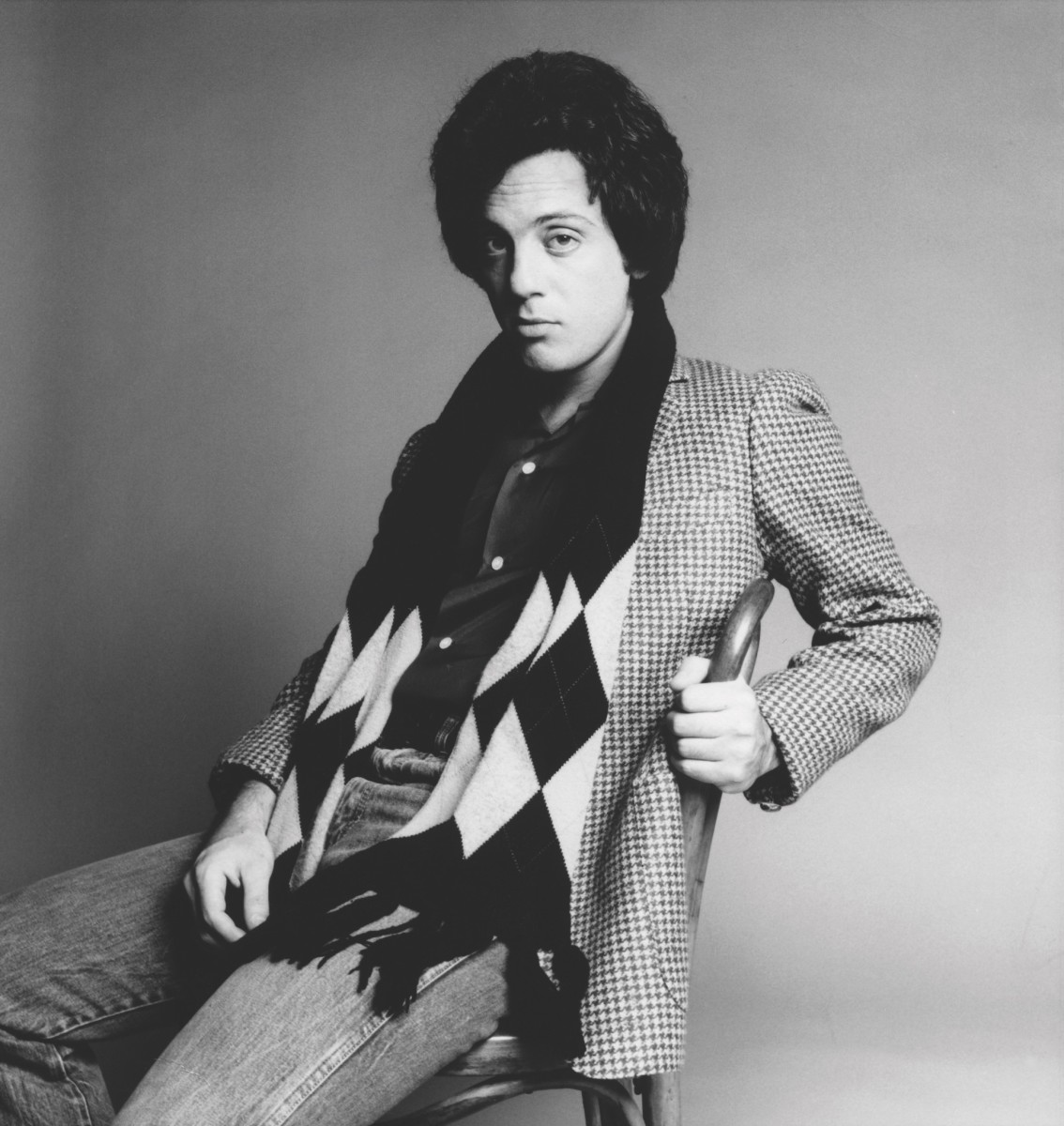
Yet success didn’t shield him from further struggles. Joel has been open about his battles with alcohol, particularly during periods of personal upheaval. He entered rehab more than once, ultimately committing to sobriety years later. His personal life also brought challenges, including multiple marriages and high-profile financial disputes that tested both his career and resilience.
In recent years, Joel has faced serious health concerns, including a diagnosis of Normal Pressure Hydrocephalus, a condition that impacts brain function. The diagnosis forced him to step back from touring, raising concerns among fans. Still, those close to him say he remains determined to recover and return to the stage.
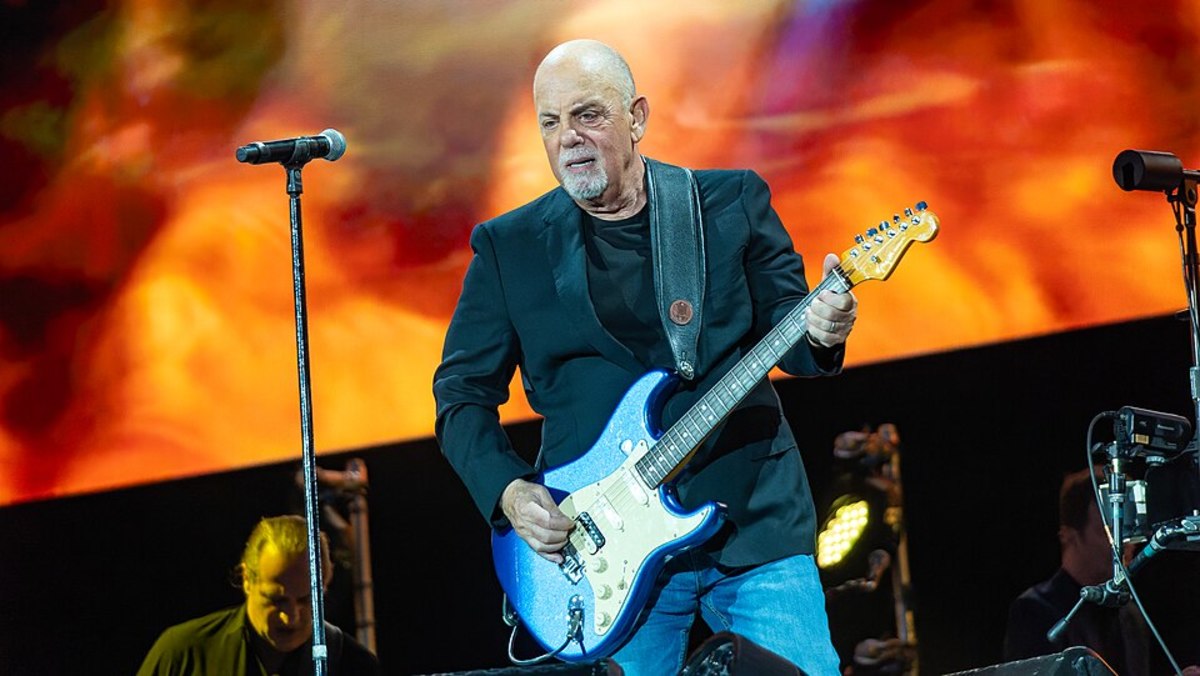
Even now, glimpses of that determination continue to surface. In early 2026, Joel surprised fans with a brief live performance in Florida, signaling that the “Piano Man” may not be finished just yet.
Through decades of fame, personal setbacks, and health challenges, Billy Joel’s story remains one of grit and endurance—a reminder that even the most celebrated voices often come from the most difficult beginnings.