
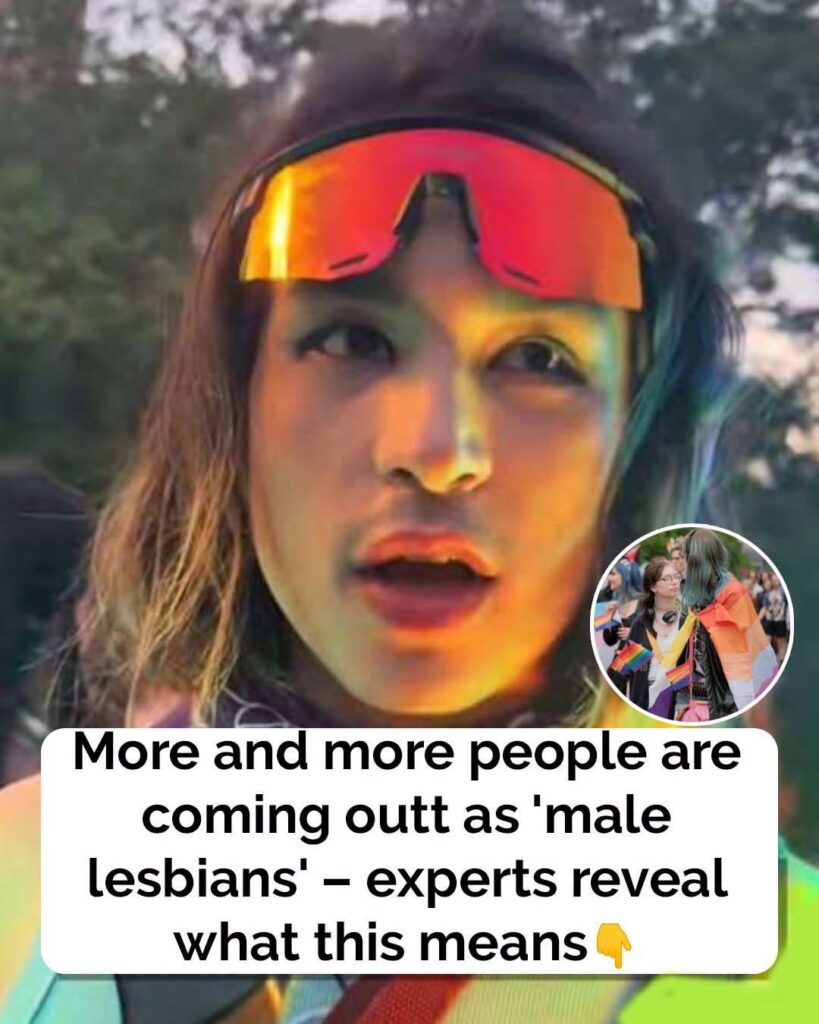
The term exploded overnight. Comment sections turned vicious, friendships fractured, and suddenly everyone had an opinion on “male lesbians” — without really knowing what it meant. Is it a joke, an insult, or a real identity? Experts say the answer is messier, older, and more human than social media admits. And that’s where everyth…
The phrase “male lesbian” sits at the crossroads of history, gender, and community, which is why it feels so volatile online. For some trans men, transmasculine, or non-binary people, it marks a deep, ongoing bond with lesbian culture that didn’t vanish when their gender shifted or language evolved. It’s less about inventing a new sexual orientation and more about honoring the communities that shaped them, even when their personal identity no longer fits a narrow definition.
That complexity is exactly what social media tends to erase. Decades of scholarship and community debate get flattened into memes, outrage, and bad-faith arguments about who is “allowed” to use which word. Experts suggest a different approach: treat “male lesbian” as a self-description, not a universal category, and ask people what it means to them. Identity isn’t a multiple-choice quiz; it’s a living record of someone’s history, relationships, and survival.